2026 Best Railway Forwarder Options for Global Buyers?
As the global marketplace evolves, the relevance of effective logistics solutions cannot be overstated. Railway Forwarders play a crucial role in international shipping. Their ability to connect various regions efficiently makes them an invaluable asset. In 2026, global buyers face numerous choices, each offering unique benefits.
Selecting the right Railway Forwarder requires careful consideration. Reliability, cost-effectiveness, and service quality are key factors. Not all options can meet the specific needs of every business. Some may excel in speed, while others might offer better rates or customer service. It's essential to weigh these factors based on individual logistics requirements.
Navigating the complexities of logistics necessitates expertise. Railway Forwarders are not just transporters; they are partners in the supply chain. Understanding their strengths and weaknesses can help buyers make informed choices. However, it’s essential to reflect on past experiences and identify areas for improvement. Each freight journey offers lessons that can enhance future decisions.

Overview of Global Railway Forwarding Landscape in 2026
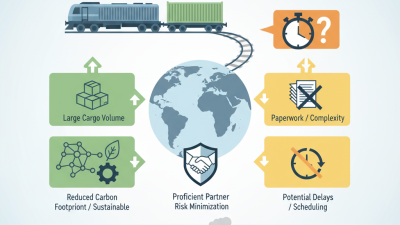
The global railway forwarding landscape in 2026 showcases significant advancements in efficiency and sustainability. As international trade grows, railway solutions become vital for seamless logistics. Rail transportation, often more eco-friendly than road transport, plays a crucial role in reducing carbon footprints. Reliable networks are essential for moving goods quickly across borders.
However, challenges persist. Many railway systems still face infrastructure limitations, impacting timely delivery. Modernization efforts are underway but can be slow due to regulations and funding constraints. Logistics professionals need to adapt to these shifts, ensuring they stay informed about regional developments and technological innovations.
Collaboration among stakeholders is essential. Rail operators, freight forwarders, and customers need to align their goals for enhanced service. Transparency in operations builds trust and improves supply chain performance. There is room for improvement, particularly in integrating digital tools. Effective tracking systems can bridge communication gaps. In the evolving railway sector, every detail counts.
2026 Best Railway Forwarder Options for Global Buyers
| Option |
Region |
Transit Time (Days) |
Cost (USD per TEU) |
Service Features |
| Option A |
Europe |
10 |
1200 |
Track & Trace, Insurance |
| Option B |
Asia |
15 |
1100 |
Temperature Controlled, Monitoring |
| Option C |
North America |
8 |
1500 |
Expedited Service, Digital Documentation |
| Option D |
South America |
12 |
1300 |
Custom Clearance, Cargo Insurance |
| Option E |
Africa |
20 |
1400 |
On-Demand Services, Flexible Routing |
Top Rail Freight Forwarders to Consider for International Shipping
Choosing the right rail freight forwarder can be challenging for global buyers. The rail transport sector offers several options, each with unique advantages. Some forwarders may specialize in specific routes or types of cargo. It's essential to consider your shipping needs carefully.
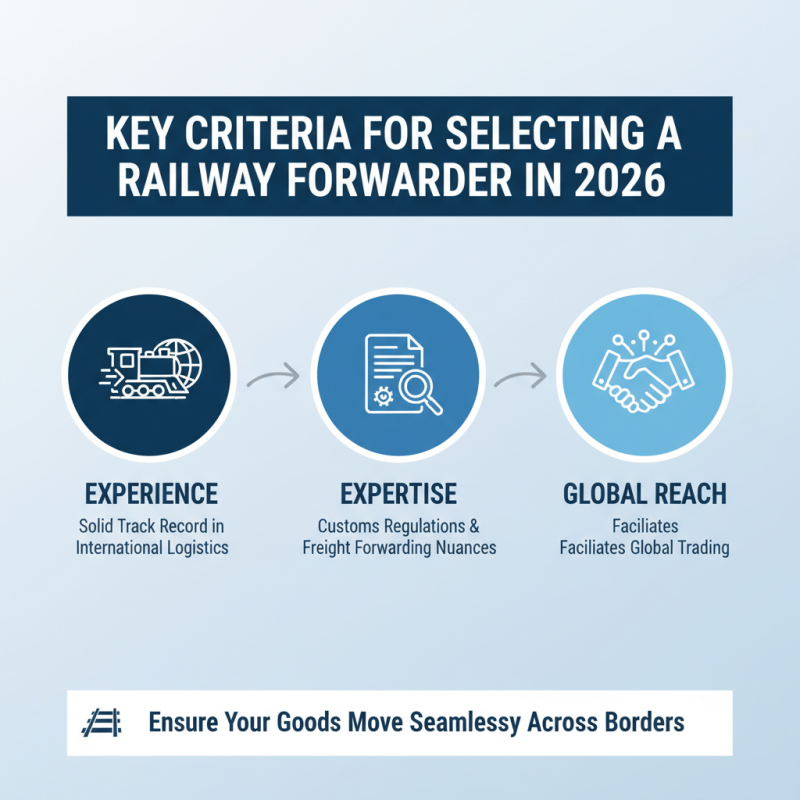
Focus on the forwarders' experience in handling international cargo. Their knowledge of customs regulations can help avoid delays. A reliable forwarder understands how to navigate various rail systems. They should also have partnerships with local authorities to streamline logistics. Consider asking for case studies or testimonials to gauge their reliability.
Sometimes, the cheapest option may not be the best choice. Prioritizing cost can lead to delays or complications. Always weigh the forwarder’s service quality against pricing. Look for forwarders that offer transparent communication. A well-informed forwarder can make a significant difference in your shipping experience.
Emerging Trends in Railway Freight Forwarding by 2026
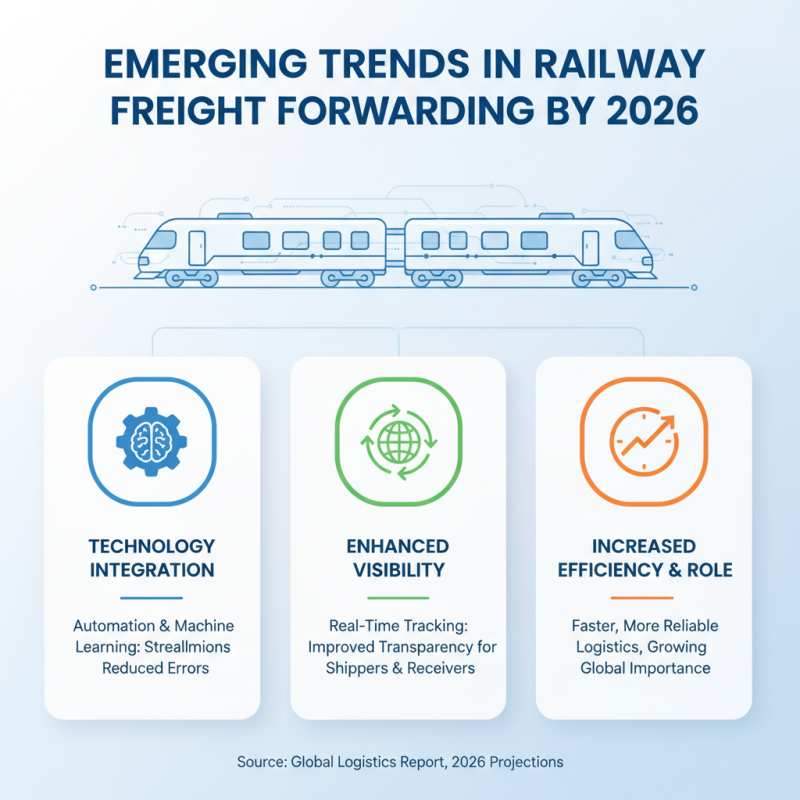
As the global logistics landscape evolves, railway freight forwarding will play an increasing role. By 2026, the integration of technology will be a significant trend. Automation and machine learning are anticipated to streamline operations. This can improve efficiency and reduce human error. Real-time tracking will enhance visibility for shippers and receivers.
Sustainability will also be a key focus. Railway transport is often more environmentally friendly than road or air options. However, challenges remain in adopting greener practices across the industry. For example, the use of renewable energy sources in locomotives is still in its infancy. Companies will need to evaluate their carbon footprints and make conscious choices.
Additionally, collaboration will reshape the market. Partnerships between railway operators and freight forwarders could offer better service options. Yet, not every partnership will be successful. Some might struggle with communication or shared goals. The nuances of these collaborations will require careful reflection and strategic planning. The railway sector must navigate these emerging trends while staying adaptable.
Comparative Analysis of Costs and Services in Railway Forwarding
Railway forwarding offers a unique blend of cost-efficiency and reliability for global shipping. Understanding the comparative analysis of costs and services is essential for making informed decisions. Various factors influence pricing, including distance, cargo type, and transit time. It’s crucial to gather multiple quotes and weigh them against service levels. Some forwarders may offer lower prices but compromise on transit times and reliability.
When evaluating forwarding options, consider the quality of customer support. Some providers excel in communication while others may leave you in the dark. Choose a forwarder with transparent processes and responsive teams. Reliable tracking systems are also a strong indicator of a competent service. When contemplating your options, think about past experiences that have shaped your expectations.
Tips: Reevaluate your logistics strategy regularly. Changing factors, like political conditions or fluctuating fuel prices, can affect your shipping needs. Don't overlook the importance of flexibility in your contracts. Some services may offer better rates for longer commitments, but short-term agreements can provide room for adjustment based on market trends. Reflect on your past choices and assess if they meet your current requirements.