In the world of global procurement, Air Freight plays a critical role in ensuring timely delivery of goods. Effective management of air freight logistics can significantly impact business operations. Understanding the challenges and nuances is essential for successful procurement.
Navigating air freight requires a blend of strategic planning and operational expertise. Companies must optimize costs while ensuring reliable transport of products. The right partnerships can streamline processes, but oversight is crucial. Mistakes in air freight can lead to delays and increased expenses, affecting the bottom line.
Various factors influence air freight decisions. From understanding carrier capabilities to tracking shipments, attention to detail is key. Balancing speed and cost is often a tricky endeavor. Reflecting on past experiences can guide companies towards improvement in future air freight strategies.
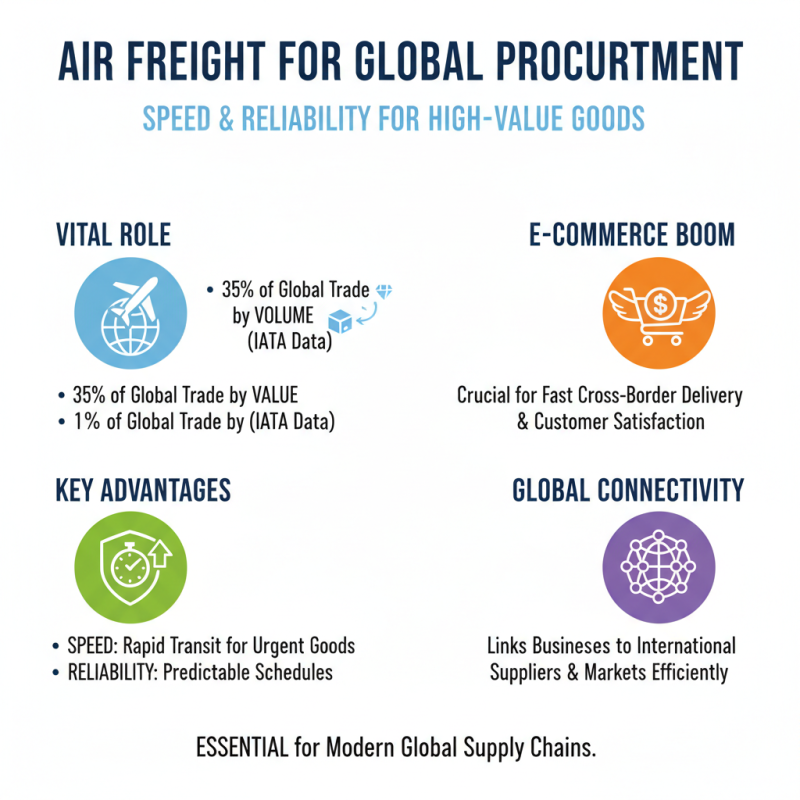
Air freight plays a vital role in global procurement, especially for companies seeking speed and reliability. According to the International Air Transport Association (IATA), air freight accounts for 35% of global trade by value, despite representing only 1% by volume. This highlights its importance in moving high-value goods efficiently across borders. With the rise of e-commerce, understanding air freight logistics has become crucial for businesses aiming for success.
Temperature-sensitive items, such as pharmaceuticals and perishables, require special handling. The Air Cargo Management Group reports that nearly 25% of air cargo consists of these sensitive goods. Companies must prepare for unexpected delays that can occur due to weather or logistical issues. Relying solely on air freight can lead to challenges in cost management. The average price for air freight fluctuates, with rates influenced by fuel prices, demand, and seasonality.
Focusing on key aspects such as route optimization and packaging can improve efficiency. Sustainable practices are becoming essential, as research indicates that 50% of consumers prefer environmentally friendly shipping options. Companies must evaluate their air freight strategies regularly. Not addressing potential weaknesses can lead to lost opportunities and increased costs. Balancing speed with practical logistics is a constant challenge within global procurement.

Air freight plays a crucial role in global procurement. Understanding the key factors influencing air freight costs and efficiency can lead to significant savings. According to the International Air Transport Association (IATA), air freight accounts for over 35% of global trade by value. Fuel costs, demand fluctuations, and route choices significantly impact pricing.
One critical tip: consolidate shipments whenever possible. This approach can reduce costs by maximizing cargo space. It’s essential to track historical shipping data to identify patterns in demand. Incorporating supply chain visibility tools can enhance planning and execution, ensuring timely deliveries.
Another factor affecting efficiency is lead times. Reports indicate that companies experience up to a 30% increase in costs due to delayed shipments. Optimizing logistics partners and routes is key. Regularly evaluate carriers to ensure they meet efficiency standards.
Lastly, be aware of seasonal variations. For instance, peak seasons can inflate rates by 25% or more. Businesses should plan accordingly to avoid these spikes. Making informed decisions is essential for air freight success in global procurement.
| Tip Number | Air Freight Tip | Key Factor | Impact on Costs | Efficiency Improvement |
|---|---|---|---|---|
| 1 | Choose the Right Carrier | Carrier Reputation | High | Medium |
| 2 | Consolidate Shipments | Shipment Volume | Medium | High |
| 3 | Understand Fuel Surcharges | Market Fluctuations | High | Low |
| 4 | Plan for Seasonal Trends | Demand Variations | Medium | High |
| 5 | Negotiate Rates Effectively | Contract Terms | High | Medium |
| 6 | Use Technology for Tracking | Visibility Tools | Low | High |
| 7 | Optimize Packaging | Material Efficiency | Medium | Medium |
| 8 | Review Customs Requirements | Compliance | High | Medium |
| 9 | Consider Direct vs. Indirect Routes | Routing Options | High | High |
| 10 | Engage with Supply Chain Partners | Collaboration | Medium | High |
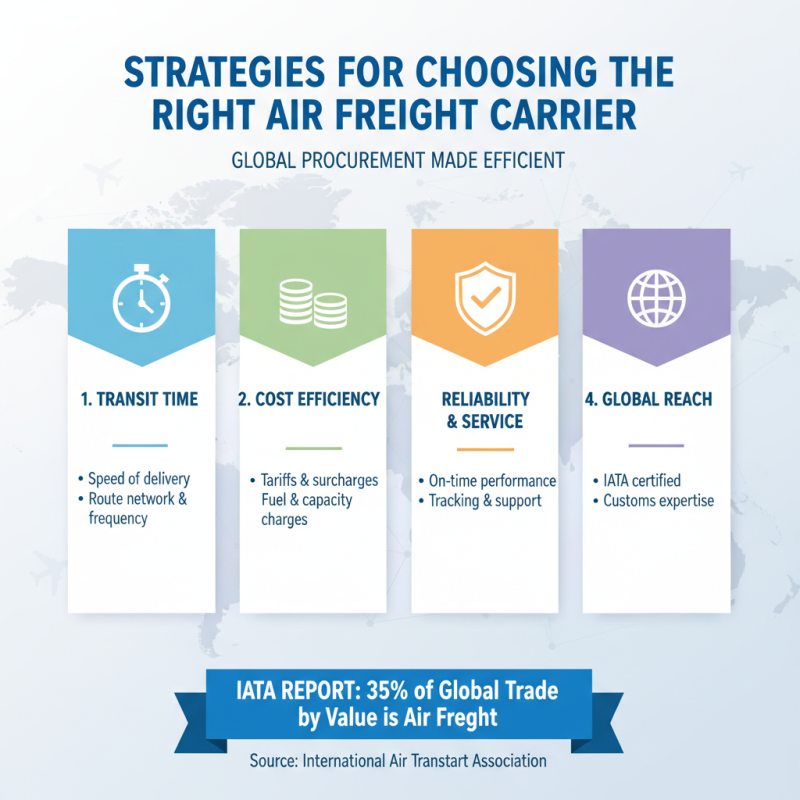
Choosing the right air freight carrier is essential for global procurement. A reliable carrier can significantly decrease transit times and costs. According to a recent report by the International Air Transport Association (IATA), air freight accounts for about 35% of global trade by value. This makes selecting an efficient partner critical for maintaining competitive advantage.
When evaluating carriers, consider their track record. Look for companies with high on-time delivery rates. Data from Freightos shows that top carriers can average delivery rates over 95%. Check their customer reviews and industry rankings as well. Experience in your specific industry can be a game-changer.
Tip: Assess the carrier’s network. A strong network can reduce delays. Carriers with established routes ensure smoother operations.
Pricing structures also matter. Some carriers may offer lower rates but hidden fees can inflate costs. Transparency in fees is essential. A study from Logistics Management noted that 30% of logistics executives face unexpected charges.
Tip: Request quotes from multiple carriers. This will provide a clear picture of competitive pricing. Don't overlook the customer service aspect. Effective communication can resolve issues swiftly. Choose a carrier that values your business needs.
When preparing for air freight, proper packaging is crucial. The right materials can safeguard your products during transit. Use sturdy boxes that can withstand pressure. Opt for cushioning materials that absorb shocks, like bubble wrap or foam. This not only protects your goods but also reduces the risk of damage. Clear labeling on the outside helps handlers identify contents quickly.
Documentation plays an equally vital role. Ensure all paperwork is complete and accurate. A well-organized set of documents speeds up customs clearance. Often, businesses overlook the importance of invoices and packing lists. Missing or incorrect information can lead to delays. Keep copies of all documents readily available. This minor step can greatly enhance the efficiency of your air freight.
Many companies struggle with compliance requirements in different regions. Ensuring that you follow these rules can be a challenge. Some might find it tedious to continually check regulations. However, staying informed is essential for successful deliveries. It’s worth investing time to get it right. This can save you headaches later on.
Speed and reliability are vital in air freight logistics. Companies must understand their supply chain requirements and choose the right freight forwarders. Strong partnerships can streamline communication. Regular updates on shipment status enhance trust. Transparency is essential for maintaining reliability.
Transportation delays can happen. Weather conditions, customs clearance, and operational issues can disrupt schedules. An effective contingency plan mitigates these risks. Predictive analytics can improve planning and forecast potential delays. Investing in technology can create a more responsive logistics operation.
In the fast-paced world of global procurement, adaptability is key. Businesses must remain flexible to adjust to changing market conditions. Analyzing performance metrics helps identify areas for improvement. Continuous evaluation fosters better decision-making. Routine assessments can lead to more effective strategies in air freight logistics.