Amazon Shipping Guide 2026 How to Save on International Costs?
In the ever-evolving landscape of e-commerce, understanding Amazon Shipping is vital for international sellers. As we approach 2026, logistics play a crucial role in optimizing costs. Sellers need to rethink their strategies and adapt to changing regulations and customer expectations.
International shipping can be expensive and complex. Navigating customs and tariffs isn't straightforward. Sellers often overlook hidden fees. This can affect profit margins significantly. A proactive approach can help mitigate these costs. Knowing your shipping options is essential.
Amazon Shipping offers several solutions to streamline this process. By leveraging Amazon's fulfillment network, sellers might reduce expenses. However, not all options are suitable for every business. Each seller must analyze their specific needs. Continuous learning and adaptation are key to long-term success.
Understanding Amazon's International Shipping Policies and Costs
When navigating international shipping on Amazon, understanding policies is crucial. Each country has unique regulations. These can affect delivery times and costs. Be aware that customs duties may apply. Customers must familiarize themselves with local laws to avoid surprises.
Shipping costs vary based on destination and package weight. Different carriers offer various rates and speeds. Some options may seem cheaper, but hidden fees can arise. Consider using Amazon's shipping calculator to estimate total expenses. This tool can help determine the most economical choice.
There are challenges in ensuring timely deliveries. Weather and customs delays can push back arrival dates. Sometimes, tracking systems may not provide real-time updates. Understanding these variables is vital for a smoother shipping experience.
Amazon Shipping Guide 2026: How to Save on International Costs
| Shipping Method |
Delivery Time |
Cost Estimate |
Weight Limit |
Shipping Carrier |
| Standard International Shipping |
5-15 business days |
$25 - $50 |
Up to 2 kg |
Carrier A |
| Expedited International Shipping |
3-7 business days |
$50 - $100 |
Up to 5 kg |
Carrier B |
| Priority International Shipping |
1-3 business days |
$100 - $200 |
Up to 10 kg |
Carrier C |
| Economy International Shipping |
10-30 business days |
$15 - $30 |
Up to 2 kg |
Carrier D |
Analyzing Key Factors Influencing International Shipping Rates
When considering international shipping, several key factors influence the rates you might encounter. One major aspect is the distance between shipping points. Longer distances typically mean higher costs. Each additional mile adds to fuel and handling charges, often leading to significant price differences. Understanding the geography of your shipments can help you manage these expenses more effectively.
Another important factor is the size and weight of the package. Larger and heavier packages incur higher shipping fees. It’s essential to measure and weigh items accurately. Consider using packaging solutions that maintain protection while minimizing size and weight. Smaller packages can lead to lower shipping costs.
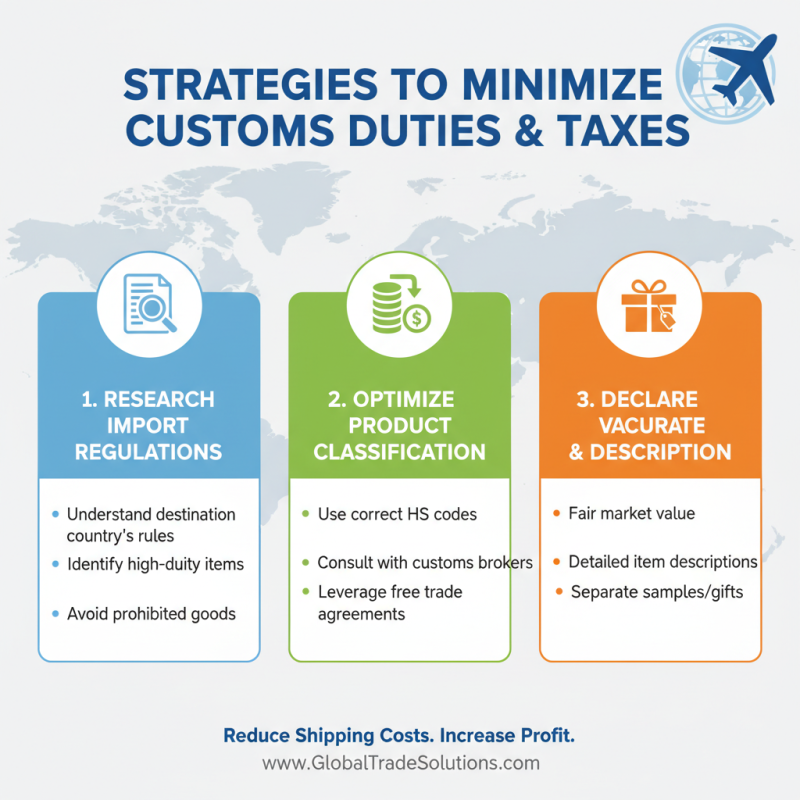
Customs duties and taxes also play a crucial role. Different countries have varying regulations regarding imports. These fees can surprise businesses and consumers alike. Staying informed about these regulations can prevent unexpected costs. It’s beneficial to collaborate with shipping experts who can provide insights into navigating these complexities.
Utilizing Amazon's Global Selling Program for Cost Reduction
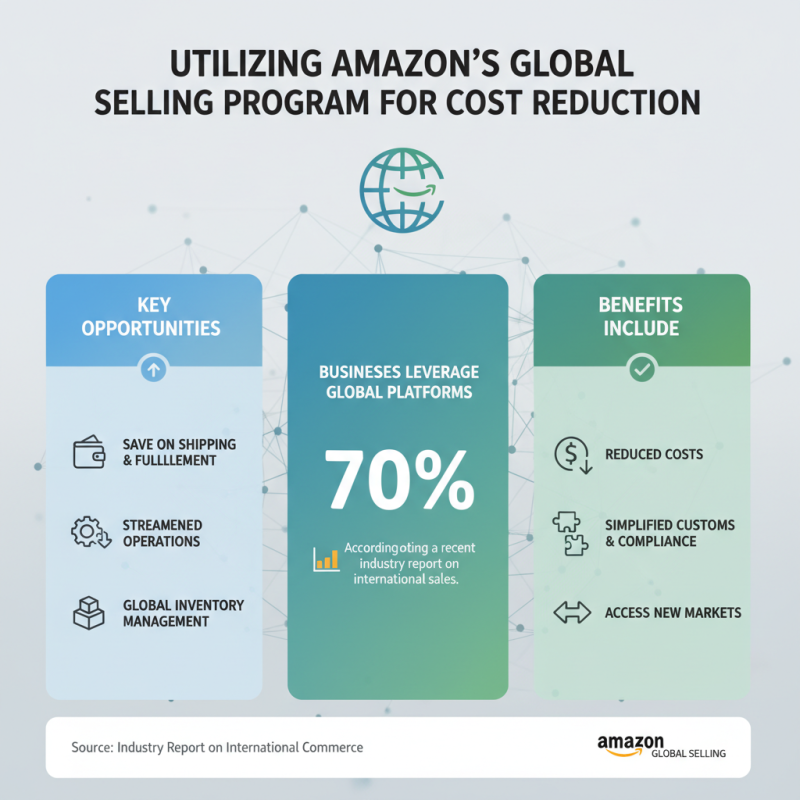
In the evolving landscape of international commerce, sellers can seize opportunities for cost reduction through effective use of global programs. According to a recent industry report, 70% of businesses engaged in international sales highlight the importance of leveraging global selling platforms. These programs streamline processes and reduce operational hurdles.
Utilizing Amazon's Global Selling Program, sellers tap into a powerful network. This program offers access to local fulfillment centers, resulting in lower shipping costs. A study indicated that businesses using localized shipping options cut costs by up to 30%. Moreover, sellers can benefit from enhanced visibility in foreign markets. Properly managing logistics remains vital, as poor handling can lead to hidden expenses that offset savings.
Navigating international shipping can be daunting. Sellers must monitor fluctuating fees, customs duties, and regulations, which can change rapidly. In a 2023 survey, 45% of sellers reported unanticipated shipping costs impacting their margins. Developing a thorough understanding of these variables can lead to smarter decisions. It is crucial to stay agile and informed in this dynamic environment.
Best Practices for Packaging to Avoid Extra Shipping Fees
Shipping costs can quickly escalate, especially for international orders. One major factor influencing these fees is packaging. Proper packaging not only protects your products but also minimizes costs. According to the International Journal of Logistics Management, 30% of shipping expenses are tied to packaging inefficiencies.
By using the right materials and sizing, you can greatly reduce these expenses. Aim for lightweight packaging that still provides adequate protection. Avoid oversized boxes, as they lead to dimensional weight charges. These fees can add as much as 50% to your shipping costs.
Tips: Always measure your products before selecting packaging. Consider using padded envelopes for smaller items instead of boxes. Additionally, consider bulk purchasing of packing supplies. This strategy can also lead to cost savings.
Remember, the goal is efficiency. Not all packaging is created equal. Evaluate your choices regularly. Small changes can lead to big savings over time.