Discover the Benefits of China-Europe Railway for Global Buyers?
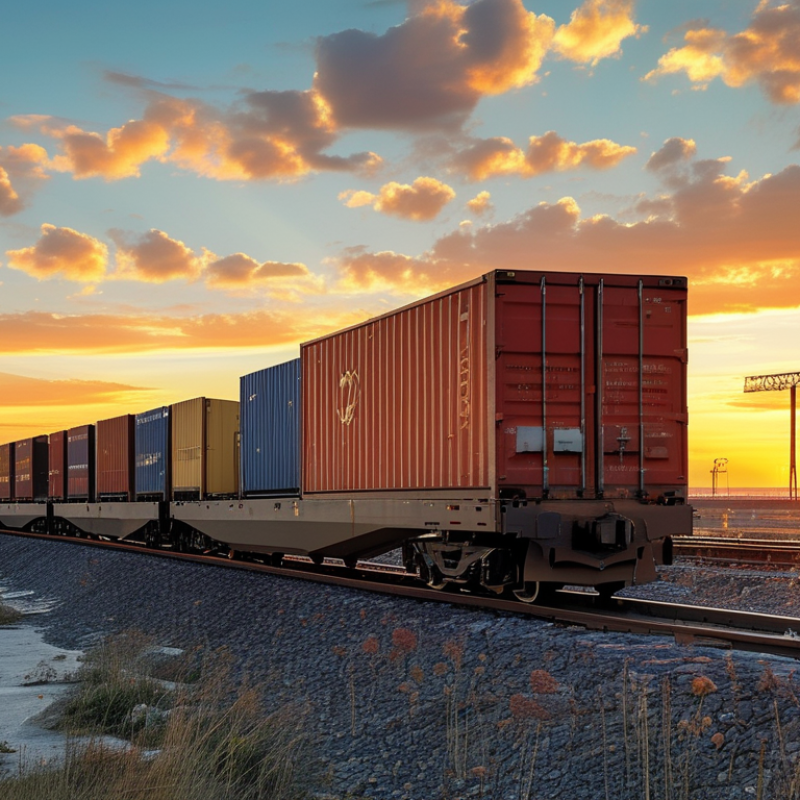
The China-Europe Railway has transformed global logistics. This modern network offers reliability, speed, and cost-effectiveness for buyers worldwide. More than just a transportation route, it connects diverse markets and simplifies trade.
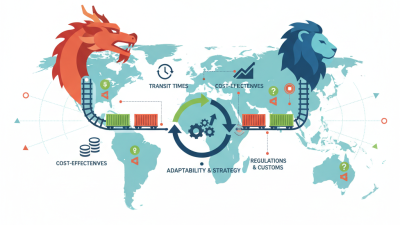
China-Europe Railway enables quicker shipments than traditional sea routes. Goods can traverse continents in a matter of days. However, this efficiency comes with challenges, including customs procedures that can delay transit times. Buyers must navigate these complexities carefully.
Despite potential hurdles, the advantages are undeniable. This railway has opened doors for small and medium-sized enterprises, providing access to European markets. It fosters competition and innovation, yet some stakeholders question its long-term sustainability. Understanding these dynamics is crucial for global buyers aiming to leverage this route effectively.
Overview of China-Europe Railway: Connecting Continents for Trade
The China-Europe Railway is a vital link in global trade. It connects major cities across Asia and Europe, enhancing logistics efficiency. According to the China State Railway Group, freight volume on this route rose by 20% in 2022 alone. This growth indicates a strong demand for rail transport in international trade.
China-Europe trains offer a reliable alternative to air and sea freight. Shipping goods via rail can reduce transport times significantly, often to about 12-16 days compared to weeks or months by sea. These trains can carry a diverse range of products, from electronics to textiles. Industry data shows that rail transport can cut carbon emissions by up to 50% compared to air freight.
While the network is efficient, challenges remain. Delays can occur due to customs checks and infrastructure issues. Some routes experience congestion, impacting delivery schedules. It's essential for businesses to stay informed about these risks. Overall, the China-Europe Railway presents an opportunity for global buyers, yet it requires adaptability in the face of operational complexities.
Key Advantages of the China-Europe Railway for Global Supply Chains
The China-Europe Railway has revolutionized global supply chains. This network offers unparalleled advantages for buyers around the world. It combines speed, cost-effectiveness, and reliability, making it a compelling option for international trade.
One significant benefit is reduced transit time. Traditionally, shipping by sea can take weeks. In contrast, the railway expedites deliveries in just a matter of days. With this acceleration, inventory turnover improves, enhancing cash flow. Yet, international buyers should be aware of potential delays due to customs inspections. Always plan for contingencies.
Cost efficiency is another key advantage. Compared to air freight, rail offers a much more affordable solution. This cost-saving enables businesses to allocate resources more strategically. A careful calculation of logistics expenses is essential. Sometimes, though, the lower price may come with trade-offs in flexibility. Assess your specific needs to find the best balance.
Tips: Consider incorporating rail logistics into your broader supply chain strategy. Keeping an eye on regulatory changes can save you trouble down the line. Continuously evaluate your shipping options to ensure you are optimizing your operations.
Cost Efficiency: How Rail Transport Reduces Shipping Expenses
Rail transport has emerged as a viable solution for global buyers seeking cost efficiency. The China-Europe Railway offers an economical alternative to both air freight and maritime shipping. Transporting goods by rail can significantly reduce shipping expenses, making it attractive for businesses looking to optimize budgets.
One of the key advantages of rail transport is its ability to cover long distances quickly. Typically, freight by rail takes around 14 to 20 days compared to much longer sea routes. This reduced transit time allows businesses to respond rapidly to market demands. Additionally, rail transport has a lower carbon footprint than air freight, contributing to environmental sustainability.
**Tips:** When considering rail transport, assess the freight routes thoroughly. Ensure you understand the transit times and the associated costs. Sometimes, a slightly higher initial cost could lead to significant savings overall. Pay attention to customs regulations along the route; delays can eat into your cost savings. Evaluate your logistics partner for reliability. An untrusted partner can lead to unnecessary charges and delays.
Discover the Benefits of China-Europe Railway for Global Buyers
| Transport Mode |
Average Transit Time (Days) |
Cost per Ton ($) |
Carbon Emissions (kg CO2 per Ton) |
| Sea Freight |
30-40 |
100 |
15 |
| Air Freight |
5-7 |
500 |
120 |
| Rail Freight |
10-12 |
300 |
40 |
Transit Time Comparison: Rail vs. Sea Freight for Global Buyers
Rail freight between China and Europe offers a solid alternative to conventional sea freight. The transit time for rail can be as short as two weeks. In contrast, sea freight usually takes around six to eight weeks. For global buyers, this makes a significant difference, particularly for time-sensitive shipments. With rail, products reach markets faster, enabling businesses to respond promptly to demand fluctuations.
However, choosing rail also has its challenges. The infrastructure in some regions may not be fully developed, leading to delays. Also, rail costs can vary, sometimes being higher than expected. This unpredictability can be frustrating for companies that rely on just-in-time inventory systems. Buyers must weigh these factors carefully before deciding on their shipping method.
While rail provides faster transit times, it’s not without drawbacks. Buyers may experience fluctuating schedules and varying customs clearance times. It requires careful planning and consideration. Moreover, companies may need to invest in new logistics solutions. Balancing speed and cost-effectiveness demands critical analysis and adjustment.
Sustainability Impact: The Environmental Benefits of Rail Transport
The China-Europe Railway presents significant environmental benefits for global buyers. Rail transport emits considerably less carbon dioxide compared to air and road freight. For instance, a single train can carry the equivalent of 50 trucks' worth of cargo. This efficiency helps reduce greenhouse gas emissions, leading to a smaller carbon footprint.
Switching to rail can also mitigate road congestion. Fewer trucks on the road mean less traffic and lower emissions from idling vehicles. Many cities face air quality issues, and rail transport can alleviate some of these problems. Buyers seeking sustainability can leverage these advantages to enhance their supply chain strategies.
Tips for global buyers:
- Consider rail for heavy and bulky items. It provides a good balance of cost and environmental impact.
- Use rail services during off-peak times for faster delivery and reduced emissions.
- Research regional rail networks. Some areas may have better rail infrastructure, which can improve overall efficiency.
Despite these benefits, challenges exist. Rail logistics can be complex, and not all routes are optimized for every type of cargo. Conducting thorough research allows buyers to find reliable partners within the rail network. Balancing efficiency with sustainability can lead to better choices in a rapidly changing global market.