Top 10 Benefits of Sea Logistics for Global Shipping Success?
Sea Logistics plays a crucial role in the success of global shipping. According to Dr. Emily Carter, a renowned expert in maritime logistics, "Sea Logistics connects markets and fosters global relationships." This synergy helps businesses streamline their supply chains effectively.
The increased demand for international trade has made efficient sea logistics indispensable. With advanced shipping technology and better routes, companies can minimize costs. However, challenges remain. Port congestion and unpredictable weather can disrupt schedules. Companies need to adapt and rethink their strategies regularly.
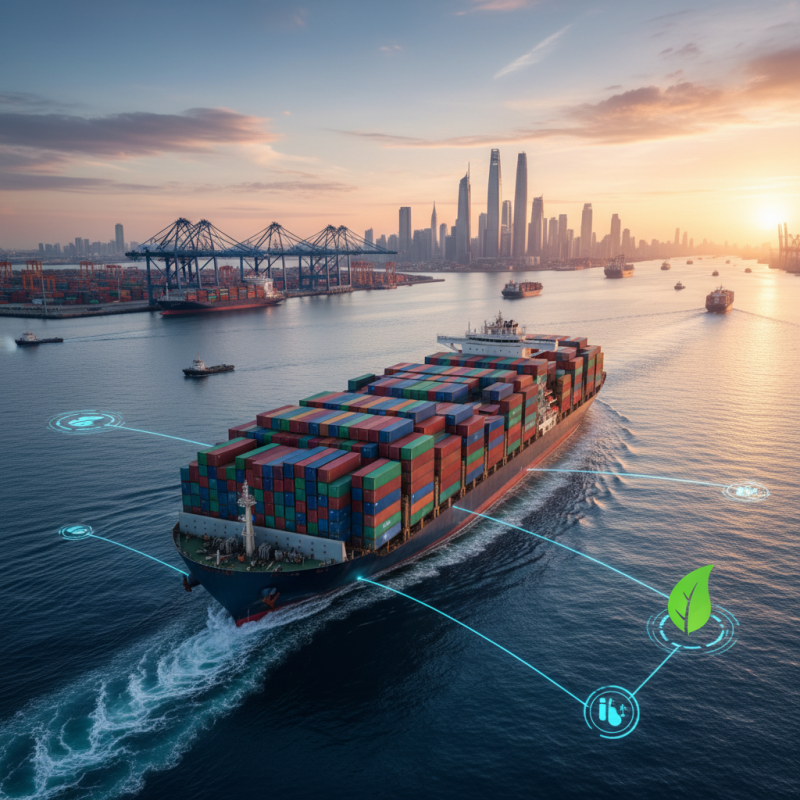
Investing in Sea Logistics also means embracing sustainability. The maritime industry is under pressure to reduce its carbon footprint. Thus, there are opportunities to innovate and implement greener practices. Balancing efficiency and environmental responsibility is vital for future growth. The journey is complex, but the benefits are significant.
Understanding Sea Logistics in Global Shipping
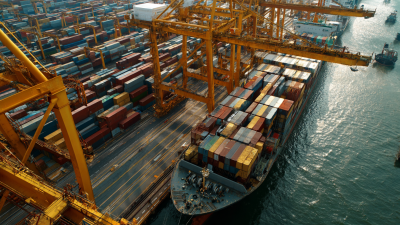
Sea logistics plays a crucial role in global shipping. It facilitates the movement of large quantities of goods across oceans. In fact, over 80% of world trade by volume relies on maritime transport. This method is often favored due to its cost-effectiveness. Transportation costs can be significantly lower compared to air freight, which makes it attractive for businesses.
However, sea logistics is not without challenges. Weather conditions can delay shipments and lead to financial losses. Port congestion is another common issue. Reports indicate that port delays can increase shipping times by 10-20%. Moreover, environmental regulations pose complexities that companies must navigate. Adapting to these regulations is essential, yet can require additional resources.
Efficient sea logistics demand constant evaluation. Businesses need to implement better tracking systems. Investments in technology can streamline processes. Yet, many companies still rely on outdated methods. Adapting to change is essential for success in this evolving industry. Smooth operations depend on strategic planning and well-managed logistics networks.
Cost Efficiency of Sea Logistics Compared to Other Transport Modes
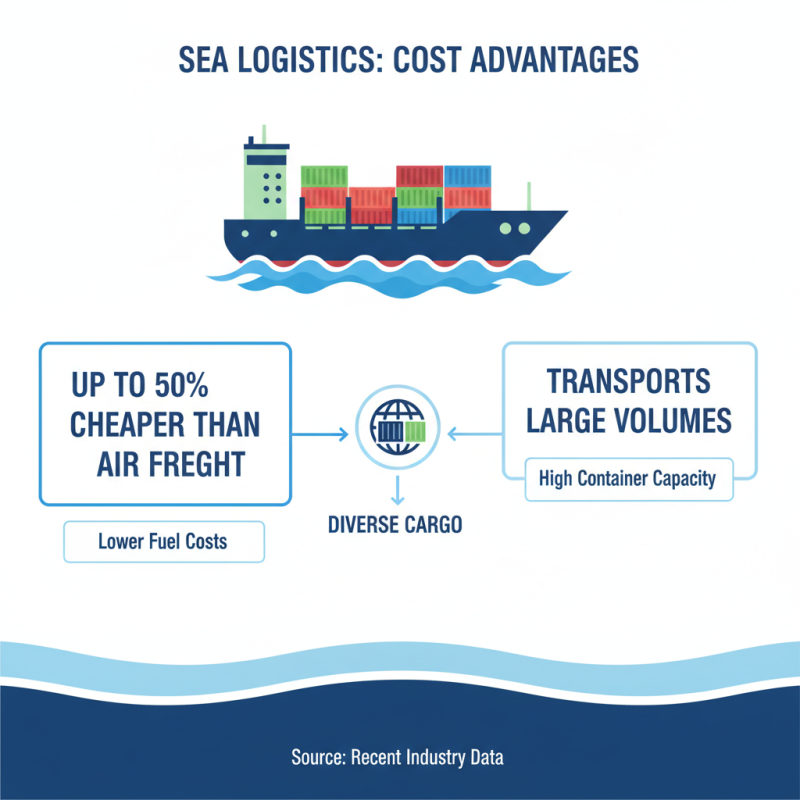
Sea logistics offers significant cost advantages compared to other transport modes. According to recent industry data, shipping by sea can be up to 50% cheaper than air freight. This is primarily due to lower fuel costs and the capacity to transport large volumes of goods. Containers allow shipping lines to carry diverse cargo, maximizing efficiency.
When comparing costs, freight rates for sea transport are notably lower. A standard 20-foot container costs around $1,500 for a transpacific route, while air freight can reach $10,000. Such stark differences highlight the necessity of considering sea logistics. However, transit times are longer. This can cause delays in supply chains. Planning is crucial to mitigate these risks.
**Tip:** Always calculate the total landed cost. Consider fuel surcharges, customs fees, and port charges.
Moreover, sustainability is becoming crucial in logistics. Sea transport emits less CO2 per ton-mile than trucks or planes. A container ship can carry a significant amount of freight, making it a more environmentally friendly option. Still, not every shipping line prioritizes sustainability. Researching choices is essential.
**Tip:** Look for shipping partners with green practices. They can help you align costs with environmental goals.
Environmental Benefits of Utilizing Sea Logistics for Shipping
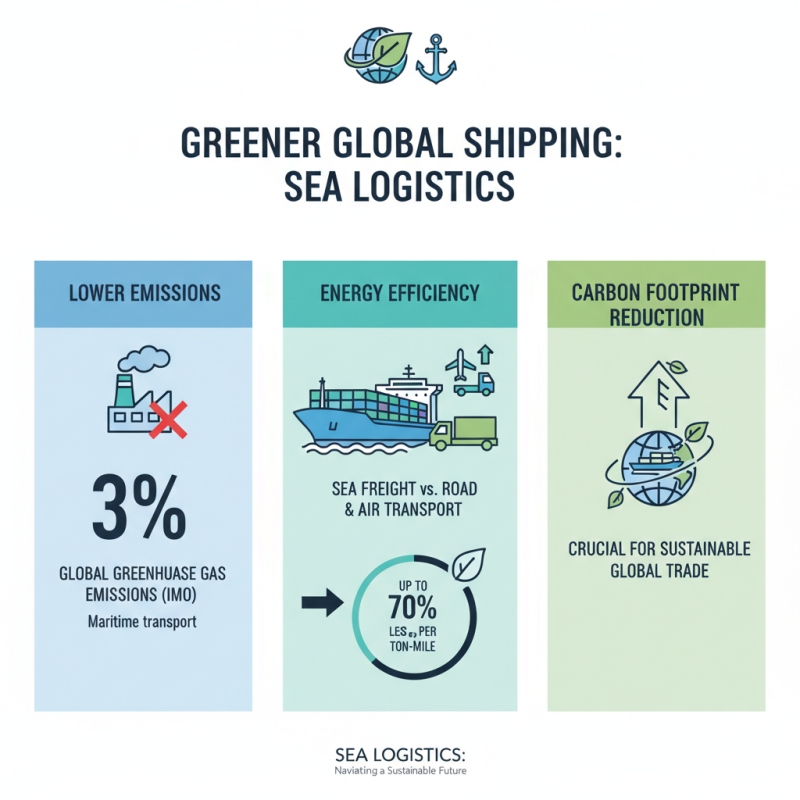
Shipping goods via sea logistics presents significant environmental benefits. According to the International Maritime Organization (IMO), maritime transport generates around 3% of global greenhouse gas emissions. However, sea freight is more energy-efficient compared to road and air transport. For every ton-mile, ships can emit up to 70% less CO2 than trucks. This efficiency is crucial for reducing the carbon footprint of global shipping operations.
Utilizing sea logistics can greatly decrease air pollution. Studies show that ships emit fewer pollutants per ton of cargo than other transportation methods. The World Bank highlights that shipping produces 16% less particulate matter compared to land transport. This shift can lead to cleaner air in coastal cities. Companies seeking sustainable options should consider these stats in their shipping strategies.
Tips: Choose larger vessels to optimize fuel use. Optimize cargo loads to reduce empty returns. Regularly maintain vessels for efficient operations. Simple changes matter. Embracing eco-friendly practices in shipping is not just a trend; it’s a necessity. However, challenges remain, including rising operational costs, which require strategic planning. Is your approach truly comprehensive?
Enhanced Supply Chain Flexibility Through Sea Logistics
Sea logistics offers remarkable flexibility for businesses navigating global shipping. Companies can adjust their shipment volumes quickly based on demand fluctuations. This adaptability is crucial in today’s unpredictable market. With sea logistics, businesses can choose from various routes, optimizing costs and delivery times.
However, despite these benefits, there are challenges. Delays can occur due to weather or port congestion. Companies must remain vigilant and prepared for such uncertainties. Communication is key; real-time updates can prevent misunderstandings and ensure smooth operations. The sea freight process requires careful planning and coordination among multiple parties.
Additionally, environmental factors play a role in supply chain flexibility. Companies are increasingly seeking sustainable shipping options. Balancing cost, speed, and eco-friendliness is not always straightforward. Embracing innovation and adapting to these challenges can lead to long-term success. It's a complex landscape where strategic decisions make a real difference.
Top 10 Benefits of Sea Logistics for Global Shipping Success
| Benefit |
Description |
Impact on Supply Chain |
| Cost Efficiency |
Lower shipping costs compared to air freight. |
Reduces overall logistics expenses. |
| Environmental Sustainability |
More eco-friendly option, with lower carbon emissions. |
Promotes greener supply chain practices. |
| High Capacity |
Ability to transport large volumes of goods. |
Facilitates bulk shipments for increased efficiency. |
| Global Reach |
Access to ports worldwide for international trade. |
Enhances international market penetration. |
| Flexible Scheduling |
Options for frequent sailings and various shipping routes. |
Improves responsiveness to market demand. |
| Safety and Security |
Robust cargo protection during transit. |
Reduces risk of cargo loss or damage. |
| Diverse Cargo Types |
Capability to ship various types of goods, including oversized items. |
Increases range of marketable products. |
| Reduced Congestion |
Less congestion compared to air and road transport. |
Streamlines transportation processes. |
| Industry Compliance |
Adherence to international shipping regulations. |
Ensures smoother operations across borders. |
| Innovative Technology |
Use of advanced tracking and communication technologies. |
Enhances visibility and efficiency in logistics operations. |
Risk Management and Reliability in Sea Logistics Operations
Sea logistics plays a crucial role in managing risks associated with global shipping. Weather disruptions, port congestion, and equipment failures can create unpredictable challenges. By enhancing reliability through vetted shipping partners, companies can mitigate many of these risks. Careful planning and real-time tracking systems help ensure that shipments arrive on time.
An effective sea logistics operation also demands flexibility. Shippers must adapt to changing regulations and market dynamics. For instance, a sudden increase in freight demand can strain resources. Balancing cost efficiency with reliable service can be tricky. Sometimes, it requires rethinking routes or modes of transport.
Reviewing past performances and learning from delays is essential. This approach helps businesses refine their logistics strategies.
Investment in technology aids reliability. Companies are utilizing advanced tracking tools for better visibility. Yet, there are still challenges. Data accuracy can be an issue, leading to misinformed decisions. Ultimately, a proactive stance on risk management is needed. Understanding potential issues and adopting a flexible mindset fosters resilience in sea logistics.