
Request a Quote
65445de874
Leave Your Message

Top 10 Benefits of Sea Transport for Global Buyers?

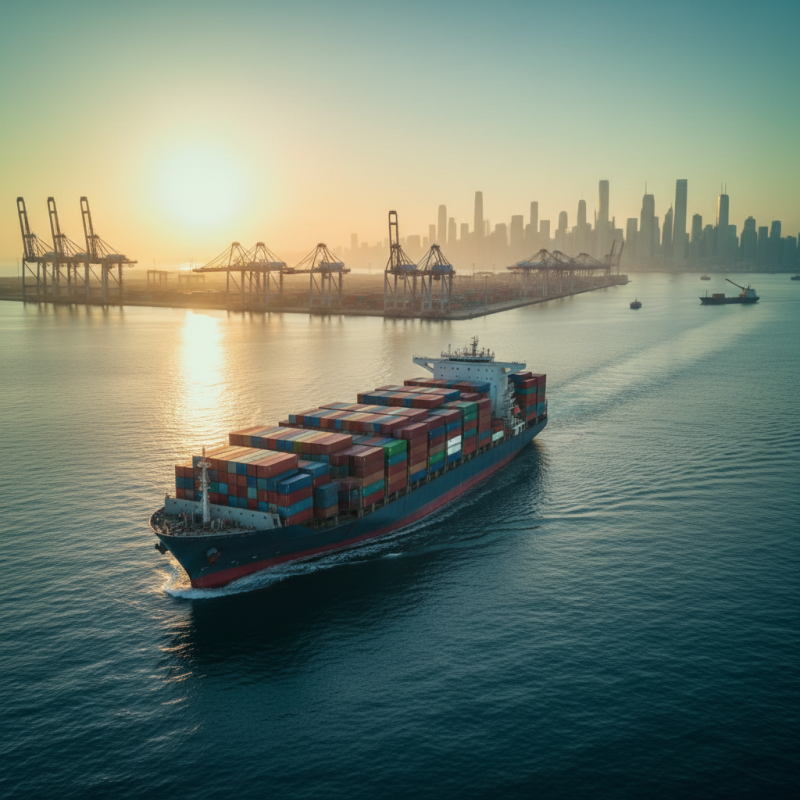
Sea transport plays a crucial role in global trade, carrying about 90% of the world's goods. According to the International Maritime Organization, the shipping industry has a significant impact on the global economy, generating billions in revenue. This form of transport is not only cost-effective but also environmentally friendly compared to air freight.

Expert Mark R. Anderson, a leading maritime analyst, highlights this point: "Sea transport remains the backbone of international trade, offering unparalleled advantages." Companies benefit from lower shipping costs and reduced carbon footprints. However, challenges such as port congestion and varying regulations can hinder efficiency.

Investing in advanced technology and logistics could enhance the functionality of sea transport. As global buyers seek reliable and sustainable methods, understanding these ten benefits of sea transport becomes essential for making informed procurement decisions.

Top 10 Benefits of Sea Transport for Global Buyers?

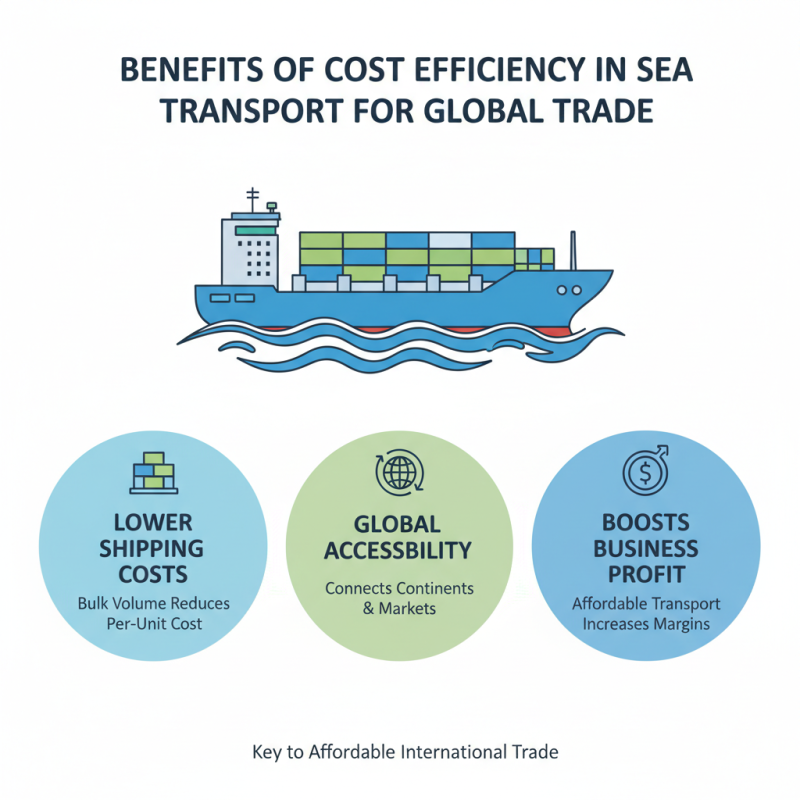
Benefits of Cost Efficiency in Sea Transport for Global Trade

Top 10 Benefits of Sea Transport for Global Buyers?

Sea transport plays a crucial role in global trade, especially in terms of cost efficiency. Shipping goods by sea is often significantly cheaper than other methods like air freight. This is primarily due to the large volume of cargo that ships can carry at once. Bulk shipping reduces per-unit costs, making it an attractive option for businesses.

However, it is essential to recognize the potential trade-offs. While sea transport can save money, it often comes with longer transit times. This can affect inventory management and lead to delays in product availability. Companies must weigh the advantages of cost-saving against the need for timely deliveries. Additionally, fluctuating fuel prices can impact shipping costs, affecting overall budget predictions.

Moreover, environmental concerns are increasingly influencing transportation decisions. Sea transport generally emits fewer greenhouse gases per ton of cargo than other methods. Yet, the industry still faces scrutiny regarding marine pollution and ecosystem disruption. Businesses need to engage in responsible shipping practices that minimize their environmental footprint while enjoying the advantages of cost efficiency in sea transport. It's a balancing act that requires continuous reflection and improvement.

Impact of Capacity and Cargo Flexibility in Maritime Shipping

The maritime shipping industry plays a crucial role in global trade. Capacity and cargo flexibility are significant factors influencing this sector. As reported by the International Maritime Organization, around 80% of global trade by volume is carried via sea transport. This highlights its efficiency and scalability.

Cargo flexibility allows shippers to transport a variety of goods, from bulk commodities to specialized cargo. According to data from industry experts, container ships can adapt to carry different types of cargo, responding to fluctuating market demands. This adaptability is vital for global buyers who seek tailored shipping solutions. However, managing diverse cargo can introduce complexities, such as ensuring proper handling and maintaining cargo integrity.

Capacity is another key aspect. The global fleet’s capacity is expected to grow by 3% annually. This growth provides opportunities for businesses to source products from across the globe. Yet, balancing capacity with demand can lead to financial strains. Shipping companies must optimize routes and adjust schedules to remain competitive. Therefore, while sea transport offers unique benefits, it demands careful consideration of its challenges.

Sustainability: Eco-Friendly Aspects of Sea Transportation

Sea transport stands out for its eco-friendly advantages. Studies reveal that ships emit significantly less CO2 per ton-mile than trucks or planes. In fact, maritime transport produces about 10-15% of the emissions from road transport. This efficiency stems from the large capacity of vessels. They can move thousands of containers simultaneously, minimizing fuel consumption per unit.

Another crucial aspect is the use of cleaner fuels. By 2020, ships were required to limit sulfur emissions drastically. Transitioning to low-sulfur fuels is a step toward a greener future. However, challenges remain. The compliance costs may burden shipping companies, especially smaller ones. They need support to adapt to these regulations while maintaining competitiveness.

Investing in technological innovations also plays a role in enhancing sustainability. The industry is exploring wind-assisted propulsion and renewable energy sources. Yet, the adoption rate is uneven across sectors. Not all carriers can afford the upfront investment. This reality leads to a gap between companies committed to sustainability and those lagging behind. Balancing profit and ecological responsibility is essential for the future of sea transportation.

Top 10 Benefits of Sea Transport for Global Buyers - Sustainability: Eco-Friendly Aspects of Sea Transportation

Benefit Description Sustainability Impact
Lower Carbon Emissions Sea transport emits significantly less CO2 than air transport, making it more eco-friendly. Reduces global warming impact.
Cost Efficiency Transporting goods via sea is often cheaper due to bulk capacity. Less fuel consumption per ton of cargo.
High Capacity Ships can carry large volumes of goods compared to other modes of transport. Optimizes logistical efficiency.
Reduced Energy Use Lower energy per unit transported than air or road transport. Promotes energy conservation.
Less Traffic Congestion Fewer trucks and planes on the road reduce urban congestion. Contributes to cleaner air in metropolitan areas.
Long-distance Transport Ideal for international shipping over long distances. Supports global trade sustainability.
Fewer Emissions of Other Pollutants Ships emit fewer particulates and toxins than trucks or planes. Improves marine and air quality.
Innovations in Technology Adoption of eco-friendly technologies in shipping. Promotes sustainable industry practices.
Biodiversity Protection Regulations to protect marine life during shipping. Supports environmental conservation efforts.
Promotes Local Economies Enhances trade routes, boosting local businesses. Encourages sustainable economic growth.

Significance of Global Connectivity Provided by Sea Routes

Sea transport plays a crucial role in global connectivity, facilitating trade across continents. According to the International Maritime Organization, over 80% of global merchandise trade is transported by sea. This immense scale underscores the significance of maritime trade routes.

Shipping not only connects producers and consumers but also reduces transportation costs. Bulk cargo capesize vessels can carry over 200,000 tons, making each unit cost-effective. However, shipping logistics can be complex. Port congestion and varying regulations across countries sometimes hinder efficiency. These challenges highlight the need for ongoing improvements in maritime infrastructure and technology.

Access to different markets enhances global supply chains. When sea routes are efficient, businesses gain more competitive pricing. The World Bank reports that reducing shipping costs by just 10% can increase trade by 20%. Yet, the environmental impact of shipping is a concern that cannot be overlooked. Striking a balance between economic growth and sustainability remains a critical issue for the industry.

Safety and Security Advantages of Shipping Goods by Sea

Shipping goods by sea offers unique safety and security advantages. One major benefit is the lower risk of theft and damage. Containers are sealed and secured, reducing opportunities for tampering. Ships also follow strict protocols for handling cargo. This creates a trusted environment for valuable shipments, ensuring they arrive safely.

Another aspect of maritime transport is its ability to handle large volumes. Cargo ships are designed to carry significant quantities at once. This not only minimizes handling but also reduces the chances of accidents during transit. Moreover, sea transport is less susceptible to adverse weather conditions when compared to other methods. Modern vessels are equipped with advanced technology. This enhances navigation and monitoring, providing peace of mind to buyers.

However, challenges remain in sea transport. Although the process is generally safe, incidents can happen. Delays, for instance, may occur due to mechanical failures or port congestion. These situations can cause frustration and potential financial loss. Without proper planning, buyers may face unexpected issues. Despite these shortcomings, the overall safety and security of shipping by sea make it a reliable choice for global buyers.

Top 10 Benefits of Sea Transport for Global Buyers