2026 Best Australia Logistics Trends and Innovations to Watch?
Australia Logistics is evolving rapidly. According to a recent report by the Australian Logistics Council, the logistics industry is expected to grow by 20% by 2026. Innovations such as AI and automation are driving this change. AI technologies allow for efficient sorting and managing of supply chains. This transformation enhances speed and accuracy.
The introduction of advanced technologies at major trade events like the Canton Fair showcases the industry's shift. AI-powered search and navigation systems streamline the process for buyers. In a venue covering 155,000 square meters, these tools improve movement efficiency dramatically. However, adoption is not without challenges. Not all companies are ready to implement these innovations.
Despite advancements, there are gaps in infrastructure and training. Many logistics firms struggle to integrate new technologies. Continuous investment and upskilling are necessary to bridge this divide. Australia Logistics must reflect on these shortcomings to leverage future growth. The industry faces a crucial turning point, with both opportunities and obstacles ahead.

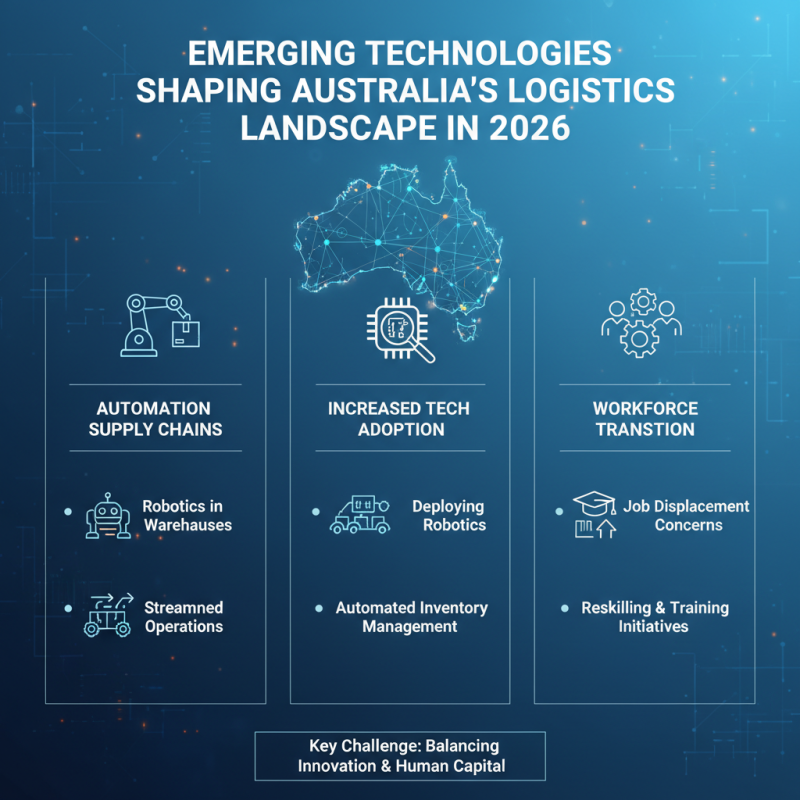
Emerging Technologies Shaping Australia’s Logistics Landscape in 2026
As Australia looks toward 2026, emerging technologies will play a crucial role in shaping logistics. Automation is set to redefine supply chains. Companies are increasingly adopting robotics. These systems manage warehouses and streamline operations. Yet, reliance on technology raises concerns. What about the workforce? Job displacement is a real issue. Reskilling efforts are necessary for a smooth transition.
Artificial intelligence (AI) is transforming data analysis in logistics. It helps predict demand and optimizes routes. Businesses can benefit from real-time insights to enhance efficiency. However, integrating AI is not without its challenges. Data privacy and security must be prioritized. Companies need strategies to address potential risks.
Lastly, the rise of electric vehicles (EVs) will impact the logistics sector. As sustainability becomes a priority, logistics firms are exploring EV fleets. They offer reduced emissions and cost savings. Still, infrastructure for charging needs development. Ensuring availability is critical for widespread adoption. The road ahead may be innovative, but it is also filled with hurdles.
Sustainable Practices in Australian Logistics: Trends to Follow
Sustainable practices are becoming essential in Australian logistics. Companies are exploring eco-friendly transportation options. Electric vehicles and renewable energy sources are gaining traction. This shift leads to lower carbon emissions and reduced environmental impact. More firms are prioritizing sustainable packaging solutions. Biodegradable materials are now preferred over traditional plastics.
The adoption of technology plays a crucial role too. Innovations like digital tracking help streamline operations. However, integrating these technologies can be challenging. Training staff effectively is often overlooked. Companies must also balance cost and sustainability. Many struggle with upfront investments in green technologies.
Moreover, collaboration within the industry is needed. Sharing resources can enhance sustainability efforts. But not all players are on board yet. Some remain hesitant, concerned about sharing sensitive information. Creating a culture of transparency can lead to better results. It’s a journey that requires patience and collaboration for lasting success.
2026 Best Australia Logistics Trends and Innovations to Watch - Sustainable Practices in Australian Logistics: Trends to Follow
| Trend/Innovation |
Description |
Impact on Sustainability |
Expected Adoption Year |
| Electric Delivery Vehicles |
Transitioning to electric-powered vehicles for last-mile delivery. |
Reduces carbon emissions and air pollution. |
2026 |
| Smart Warehousing |
Utilizing IoT and AI to optimize warehouse operations. |
Minimizes waste and increases efficiency. |
2025 |
| Carbon Footprint Monitoring |
Implementing tools to measure and report carbon emissions. |
Promotes transparency and accountability. |
2026 |
| Recyclable Packaging |
Switching to packaging materials that are fully recyclable. |
Reduces landfill waste and promotes circular economy. |
2025 |
| Automated Inventory Systems |
Using AI-powered systems to manage inventory levels automatically. |
Decreases waste and improves stock management. |
2024 |
Impact of Automation on the Efficiency of Australian Supply Chains
The impact of automation on Australian supply chains is significant. A recent industry report notes that automation can boost efficiency by up to 30%. This increase comes from faster processing times and reduced human errors. In warehouses, robots are now handling tasks that once required many workers. The result? A leaner operation with lower labor costs.
However, challenges persist. Many companies struggle to integrate these technologies fully. A McKinsey report highlights that 60% of automation initiatives fail to achieve expected returns. Resistance to change among employees can be a major hurdle. Companies must invest in training to bridge this gap between technology and workforce capabilities.
Real-world examples illustrate both sides. Some firms have seen a rise in productivity. Others have faced delays due to technology failures. With the right approach, automation can redefine supply chain dynamics. Still, careful planning and ongoing evaluation are essential. Balancing technology with human expertise remains key.
2026 Best Australia Logistics Trends and Innovations to Watch
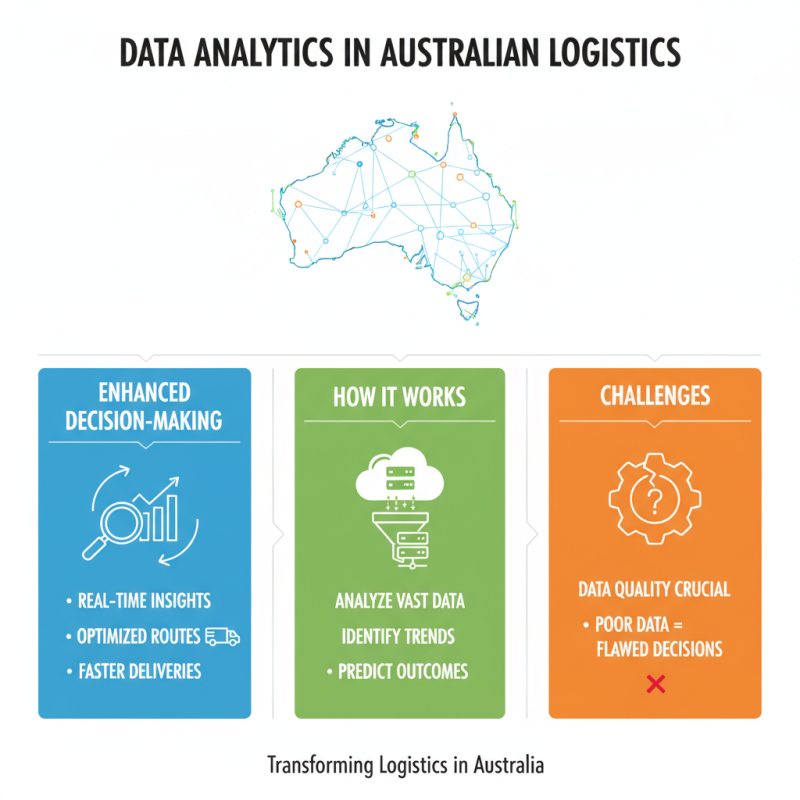
The Role of Data Analytics in Enhancing Logistics Decision-Making
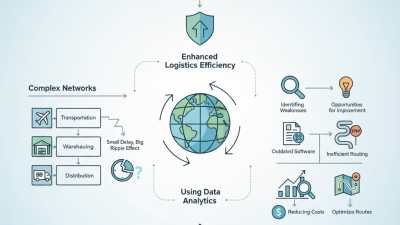
Data analytics is transforming logistics in Australia. It enhances decision-making by providing actionable insights. Logistics companies can now analyze vast amounts of data in real-time. This helps in optimizing routes and reducing delivery times. However, relying heavily on data brings challenges. Data quality is crucial; poor data can lead to flawed decisions.
Organizations must invest in proper data management. This means regular updates and checks are necessary. Moreover, not every data point is useful. It's essential to identify key performance indicators that drive success. Sometimes, companies overlook this, missing out on potential improvements.
Visualization tools play a vital role in making data understandable. They turn complex data into clear insights. While many firms have adopted these tools, some still struggle with integration. This leads to inconsistent decision-making practices. Addressing these inconsistencies is crucial for future growth.
Innovative Transportation Solutions Transforming Australia’s Freight Industry
Australia's freight industry faces significant transformations in its transportation solutions. Innovative technologies are driving these changes. According to a recent report by the Australian Logistics Council, a staggering 70% of logistics companies are investing in digital solutions. These advancements enhance efficiency and streamline operations.
Electric and autonomous vehicles are at the forefront of this trend. The use of electric trucks can reduce emissions by up to 80% compared to traditional diesel vehicles. This shift not only addresses environmental concerns but also aligns with Australia's carbon reduction goals. However, the transition is challenging. Infrastructure for electric vehicles remains limited, causing concerns for logistics providers.
Data analytics is also revolutionizing supply chain management. Advanced analytics tools help companies forecast demand more accurately. A study indicates that optimizing logistics with data can reduce costs by about 20%. Yet, reliance on technology can create vulnerabilities. Cybersecurity threats are rising, making it crucial for companies to invest in secure systems. Balancing innovation with risk management is essential for future growth.