Best Logistics Solutions in China for Global Buyers?
Logistics in China represents a complex and rapidly evolving landscape. The nation is the world's largest logistics market, with an estimated value of over $500 billion in 2021, according to the China Federation of Logistics & Purchasing. This growth is driven by the rise of e-commerce and global trade dynamics. However, navigating this market can be challenging for international buyers.
Understanding logistics solutions in China requires expertise. Various providers offer a range of services, from warehousing to freight forwarding. Reports indicate that about 70% of logistics companies prioritize technology adoption, enhancing efficiency. Yet, not all firms maintain high service standards. Issues such as lack of transparency and communication can hinder successful partnerships.
Buyers must also consider regional differences. Coastal areas often have advanced infrastructure, while inland regions may lag behind. It’s crucial to assess these factors carefully when selecting a logistics partner. Without thorough research, buyers may face delays and increased costs. Overall, while logistics in China offers significant opportunities, a strategic approach is essential for success.
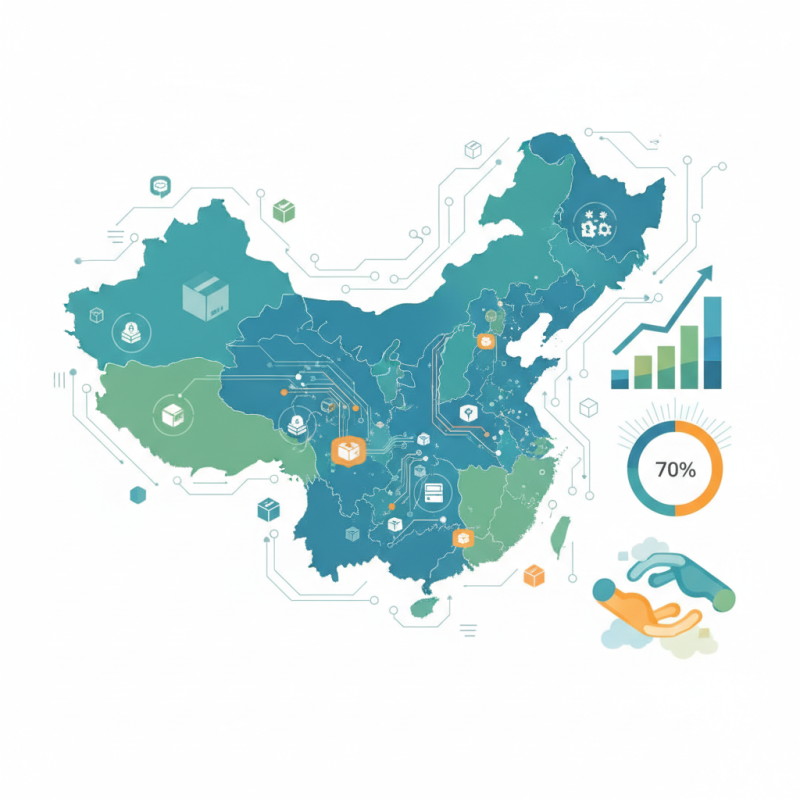
Overview of Logistics Landscape in China
The logistics landscape in China is vast and complex. As a global buyer, understanding its nuances is crucial. With unprecedented growth, China has become a logistics powerhouse. Transportation modes vary widely, including air, sea, and land freight. Each mode has its strengths and challenges.
In urban areas, congestion can impact delivery times. Rural regions may lack infrastructure. Global buyers must consider these factors when choosing partners. Local expertise can enhance efficiency. Collaborating with experienced professionals is vital.
Tips: Always evaluate logistics providers. Check their track record and reliability. Choose those with strong networks across regions. Understand customs regulations to avoid delays. Familiarity with local languages can ease communications.
Navigating tariffs and regulations is also essential. Paperwork can be daunting and tedious. Some buyers underestimate the importance of compliance. It's best to seek legal advice if needed. A proactive approach minimizes misunderstandings.
Best Logistics Solutions in China for Global Buyers
| Logistics Solution Type |
Key Features |
Cost Estimate (per shipment) |
Delivery Speed |
Service Area |
| Air Freight |
Fast delivery, Ideal for urgent shipments |
$500 - $2000 |
1-3 days |
Global |
| Sea Freight |
Cost-effective for large volumes, Slower transit time |
$100 - $800 |
20-40 days |
International |
| Rail Freight |
Environmentally friendly, Lower cost than air |
$300 - $1500 |
5-10 days |
Asia and Europe |
| Road Freight |
Flexibility, Door-to-door delivery |
$200 - $1000 |
2-7 days |
Domestic and Cross-border |
| Warehousing |
Inventory management, Storage solutions |
Varies based on space |
N/A |
Local and Regional |
Key Logistics Players in the Chinese Market
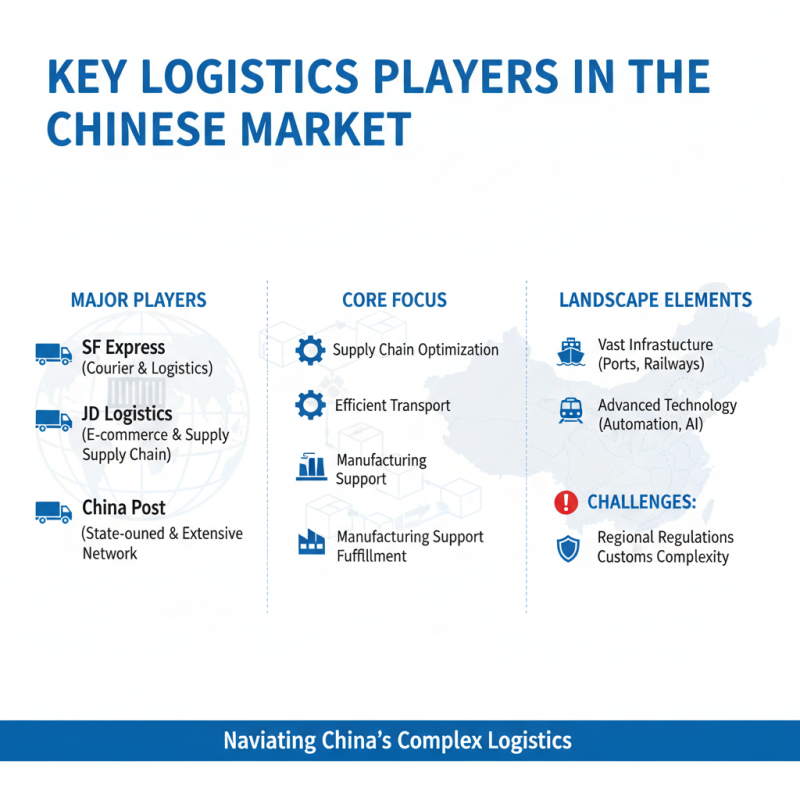
Navigating the logistics landscape in China requires understanding key players and their capabilities. Major logistics companies in China focus on supply chain optimization. The vast infrastructure network, including ports and railways, supports efficient transport. However, challenges like varying regional regulations can complicate operations.
Third-party logistics providers play a crucial role for global buyers. They offer customs clearance services and warehousing solutions. These providers often use advanced technology to track shipments. Yet, not all offer the same level of reliability. Some may have slower response times during peak seasons, which can frustrate businesses.
Local firms often understand the domestic market better. They navigate complexities that international buyers might overlook. These players also provide personalized services, yet they might lack the scale of larger providers. Choosing the right partner in China demands careful consideration of their strengths and areas for improvement.
Innovative Technologies in Chinese Logistics Solutions
Innovative technologies have transformed logistics in China, making it a vital hub for global buyers. Automation in warehouses has increased efficiency. Robotics sort packages with precision. Drones transport goods quickly in urban areas. These advancements reduce delivery times and costs.
Blockchain technology ensures transparency in the supply chain. It provides real-time tracking of shipments, enhancing trust. However, challenges remain. Integrating these technologies across different sectors requires substantial investment. Not every company can adapt at the same pace.
Artificial intelligence impacts inventory management. AI analyzes demand patterns to optimize stock levels. Yet, dependence on technology raises concerns about data security. Balancing innovation with security measures is critical. Buyers must remain vigilant as logistics evolve.
Logistics Efficiency in China: A Comparative Analysis
Regulatory Challenges for Global Buyers in China
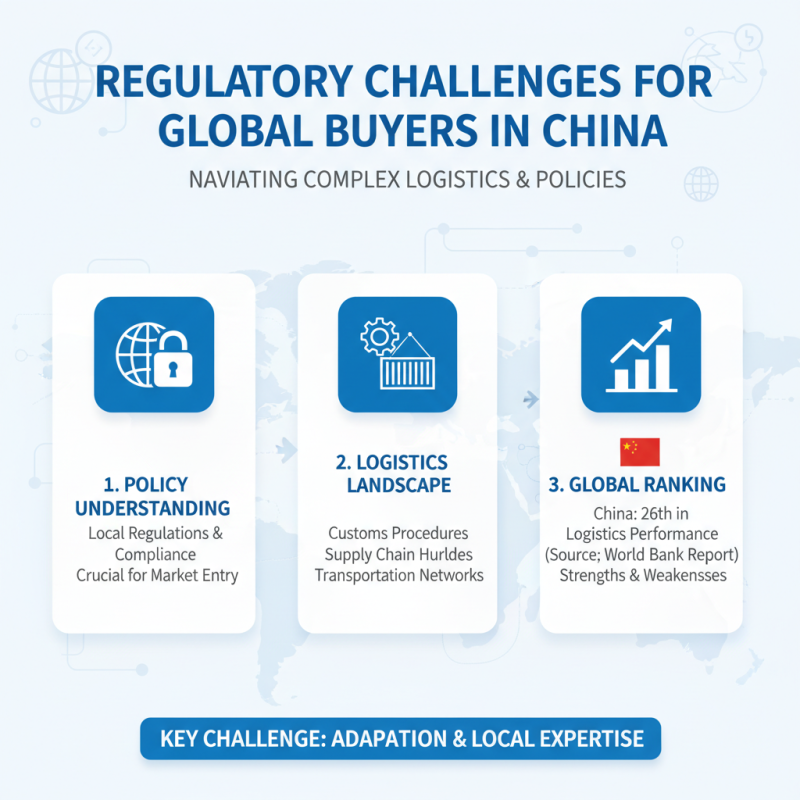
Navigating regulatory challenges in China is crucial for global buyers. The logistics landscape can be complex, and understanding local policies is essential. According to a report by the World Bank, China ranks 26th globally for its logistics performance, reflecting both strengths and weaknesses.
Import regulations often shift, creating uncertainty. In 2021, around 35% of businesses reported difficulties in complying with changing rules. This can delay shipments and increase costs. Additionally, customs clearance processes are often opaque. Many international firms struggle to understand the documentation requirements.
The need for local expertise cannot be overstated. Hiring a knowledgeable logistics partner can bridge communication gaps. However, finding trustworthy assistance can be challenging. Some buyers report dissatisfaction with service quality. Without thorough vetting, partnerships may not yield expected outcomes. Consequently, investing time in building local relationships is vital. Understanding these regulatory hurdles ensures a smoother logistics operation in China.
Best Practices for Choosing Logistics Partners in China
When selecting logistics partners in China, thorough research is essential. Many global buyers face challenges due to language barriers and cultural differences. It’s crucial to assess potential partners based on their experience and expertise in your specific industry. Look for providers with a strong track record and customer testimonials.
Understanding the logistics landscape in China can be complex. Focus on companies that demonstrate transparency in their operations. This helps build trust and ensures reliable service. Engage in discussions about their capabilities, delivery times, and pricing structures. It’s also wise to consider smaller firms that may offer personalized service and flexibility.
Regularly review logistics performance metrics to ensure efficiency. Poor communication often leads to misunderstandings. Request updates and invest time in relationship building. This proactive approach can enhance collaboration and problem-solving. Reflect on your logistics experiences to identify areas for improvement, ensuring a smoother partnership in the future.