China Amazon Logistics Tips for Efficient Global Sourcing?
In the world of global sourcing, mastering "China Amazon Logistics" is crucial for businesses aiming to thrive. An expert in the field, Dr. Lucy Chen, emphasizes, “Effective logistics is the backbone of successful sourcing from China.” Her insights shed light on the complexities involved in navigating the logistics landscape.
China is a hub for many goods, yet efficient logistics can often be a challenge. Businesses must understand customs regulations, shipping options, and warehousing solutions. A single shipping delay can disrupt the entire supply chain. Therefore, planning is essential. Many companies underestimate the importance of clear communication with their logistics partners.
Additionally, not all logistics providers are created equal. Selecting a reliable partner can prevent costly errors. Understanding local markets is vital. As Dr. Chen reminds us, “Logistics isn't just about moving goods; it's about building trust.” Reflecting on these aspects can help businesses improve their strategies and achieve efficiency in "China Amazon Logistics.

China's Role in Global Sourcing: An Overview of Amazon Logistics
China plays a pivotal role in global sourcing, particularly within the Amazon logistics framework. Recent studies indicate that around 60% of products sold on Amazon are sourced from China. This significant percentage highlights the importance of efficient logistics in streamlining the supply chain. Delays in shipment can seriously impact sales and inventory turnover. A report by Statista shows that an estimated 14% of global supply chains faced disruptions due to logistics issues last year.
Optimizing logistics in China involves understanding the inherent complexities. The country has a vast network of transportation options, including rail, air, and sea. However, navigating these routes can be challenging. For instance, businesses should be aware that peak seasons, such as Chinese New Year, can lead to increased shipping delays. It is essential to plan orders well in advance to mitigate these risks. The logistics sector in China also faces talent shortages, which can further complicate sourcing efforts.
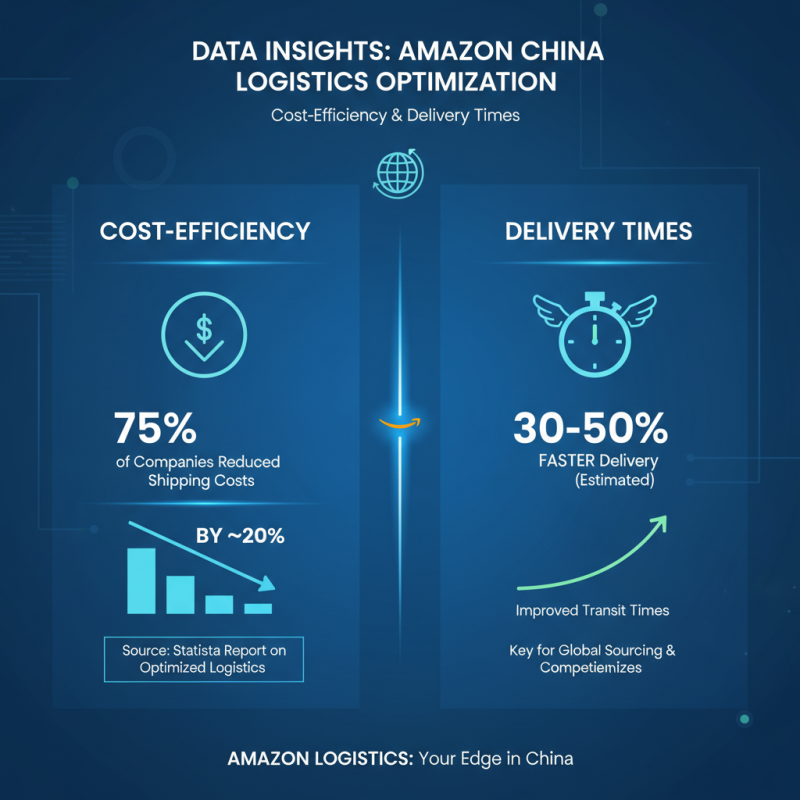
Many global companies have adopted technology-driven solutions to enhance efficiency. Real-time tracking systems help businesses monitor shipments and respond quickly to any delays. Such innovations hold the potential to reduce logistics costs by up to 30%, according to industry reports. Yet, not all companies leverage these technologies effectively, leaving room for improvement. The landscape of Amazon logistics in China is dynamic, demanding both expertise and adaptability from sourcing managers.
China Amazon Logistics Tips for Efficient Global Sourcing
| Logistics Aspect |
Description |
Tips for Efficiency |
| Shipping Methods |
Various shipping methods (air, sea, rail) available for global delivery. |
Choose shipping methods based on urgency and cost; consider consolidation. |
| Warehousing Solutions |
Access to multiple warehouses for efficient order fulfillment. |
Use regional warehouses to reduce shipping time and costs. |
| Customs Process |
Regulations for international shipping that must be adhered to. |
Work with logistics partners to streamline customs procedures. |
| Tracking Systems |
Tools available for real-time tracking of shipments. |
Utilize advanced tracking tools to monitor progress and manage delays. |
| Cost Management |
Identifying and minimizing shipping and logistics costs. |
Analyze shipping options regularly to find cost-effective solutions. |
Understanding the Supply Chain: Key Components of Amazon Logistics in China
Understanding the logistics of sourcing products from China involves several key components that can impact efficiency. The first is warehousing. In China, multiple warehouses are often used to manage inventory. This decentralized approach helps in meeting local demand quickly. However, coordinating stock across different locations can be challenging. This requires robust inventory management tools to avoid stockouts or excess.
Transportation is another critical element. The vast infrastructure in China offers various shipping options, such as air and sea freight. Air freight is faster but more expensive, while sea freight is cost-effective yet slower. Businesses must weigh these options carefully to align with their needs. Implementing an effective tracking system is necessary to keep tabs on shipments. Lagging information can lead to delays and unsatisfied customers.
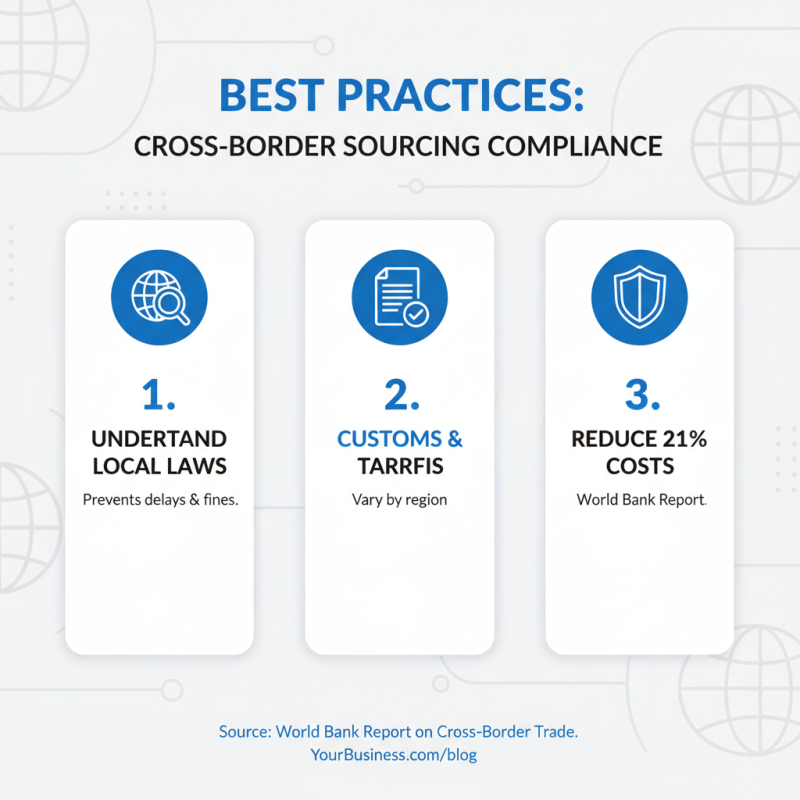
Customs clearance also plays a significant role in logistics. It involves understanding local regulations and documentation requirements. This can be a hurdle for many. Missing paperwork can lead to delays and increased costs. At times, companies may find themselves navigating complex tariff systems. Investing time in understanding these processes can save money in the long run.
Efficient Inventory Management Strategies for Global Sourcing via Amazon
Efficient inventory management is crucial for global sourcing, especially when using logistics platforms. A well-organized inventory can reduce costs and improve customer satisfaction. One effective strategy is to analyze historical sales data. Understanding past trends can help predict future demand. This data-driven approach allows for smarter stock levels.
Regular inventory audits are essential. They help identify discrepancies and ensure accurate stock counts. Automated tools can assist in monitoring inventory levels. However, relying solely on automation may not always be wise. It is still important to combine technology with human oversight. This practice helps in catching errors that machines may miss.
Establishing strong relationships with suppliers can also enhance inventory management. Timely communication about stock levels is vital. It can prevent overstocking or stockouts. Yet, it requires constant effort. Sometimes, suppliers may not meet expectations, which can disrupt your sourcing plan. Regular check-ins can mitigate these issues and keep the supply chain running smoothly.
Efficient Inventory Management Strategies for Global Sourcing via Amazon