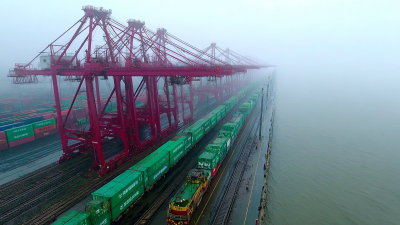
What is the China-Europe Railway and How Does It Work?
The China-Europe Railway is a vital artery for trade between Asia and Europe. Recent industry reports highlight that rail freight has surged by over 30% in the past year. This increase underscores the economic importance of this route. The railway has reduced transport time significantly. Goods that once took weeks to travel can now arrive in days.
Experts like Dr. Li Wei, a transportation analyst, describe the China-Europe Railway as a “game-changer” for global supply chains. His insight emphasizes how rail connectivity fosters international trade. However, challenges remain. Infrastructure issues and varying national regulations can complicate logistics.
In a rapidly changing market, adaptability is key. Companies must navigate these complexities to leverage the railway's potential. The benefits are clear, yet the need for continuous improvement is crucial. The China-Europe Railway is not just a transportation option; it is a platform for future growth in global commerce.

Overview of the China-Europe Railway: Definition and Importance
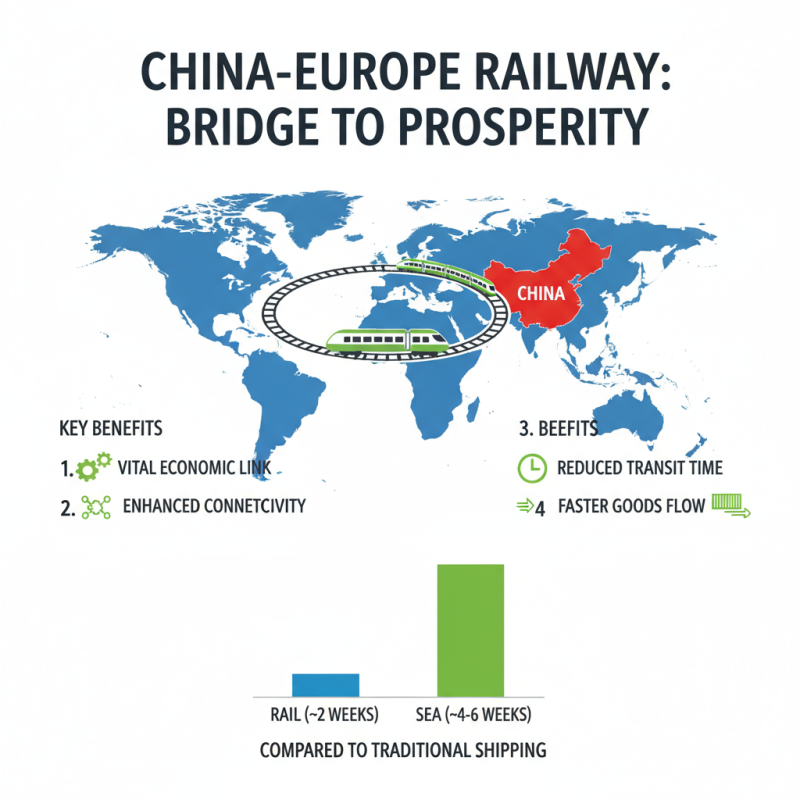
The China-Europe Railway represents a vital link between two major economies. This rail network facilitates trade between China and various European countries. It enhances connectivity and reduces transit times significantly. Goods can now move faster compared to traditional shipping routes.
The railway handles a wide range of products. High-value items like electronics and machinery often take priority. Shipping containers travel through multiple countries, navigating complex regulations. However, delays do occasionally happen. Customs issues can slow down transportation. Local infrastructure may need improvements too.
Overall, the China-Europe Railway isn't perfect. It showcases both efficiency and challenges. The demand for quicker trade is evident, but so are the hurdles. Each journey highlights areas for growth. As connections deepen, reflection on these imperfections becomes essential for future improvements.
Key Components of the China-Europe Railway Infrastructure
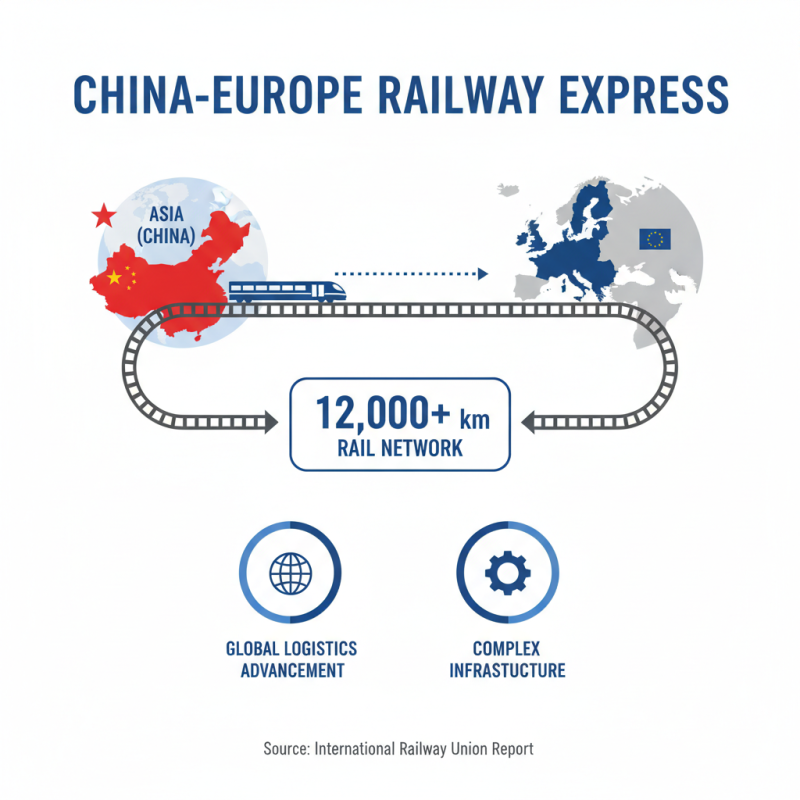
The China-Europe Railway represents a significant advancement in global logistics. Its infrastructure, however, is complex and multifaceted. One key component is the extensive rail network connecting major cities in China and Europe. According to a report by the International Railway Union, this network spans over 12,000 kilometers. This distance emphasizes the scale and potential impact of this transport method.
Another essential aspect is the development of intermodal logistics centers. These centers facilitate smooth cargo transfers between rail and other transport modes. Data suggests that intermodal transport can reduce carbon emissions by up to 30% compared to traditional trucking. Yet, challenges remain. Not all regions have sufficient facilities, slowing down operations and leading to inefficiencies.
Moreover, last-mile connectivity is often overlooked. While the rail system may be efficient, the last segment to reach the customer can be problematic. In urban areas, inadequate infrastructure can lead to delays. Some studies indicate that logistics delays affect up to 15% of shipments on certain routes. This highlights the need for consistent improvements across the entire infrastructure for the China-Europe Railway to realize its full potential.
Operational Mechanisms: How the China-Europe Railway Functions
The China-Europe Railway is a vital link between two major economies. Its operational mechanisms are complex, involving various logistical steps. Trains travel through multiple countries, covering thousands of kilometers. Each journey can take around 16 to 20 days. Advanced technology supports communication among involved parties. This ensures efficient handling of goods.
Cargo is transported in containers, which facilitate loading and unloading processes. However, challenges arise in coordination between customs and border procedures. Different regulations can delay transit times. Sometimes, issues like differing standards and paperwork lead to interruptions. There are also risks concerning the security of goods. Instances of theft can occur, and origin authenticity may be questioned.
Train schedules require meticulous planning. Delays due to weather or other factors can disrupt the entire network. Improving communication channels could help address these problems. Additionally, the railway must adapt to changing market demands. As trade grows, the system will need enhancements. Achieving optimal efficiency remains a work in progress.
China-Europe Railway Freight Volume Performance (2020-2023)
This bar chart illustrates the freight volume transported via the China-Europe Railway from the year 2020 to the first quarter of 2023. The data indicates a significant growth in freight volume over these years, highlighting the increasing importance of this railway corridor in global trade.
Major Trade Routes and Destinations of the China-Europe Railway
The China-Europe Railway is a vital link in global trade. It connects major cities across Europe and China. Key destinations include cities like Duisburg, Hamburg, and Warsaw. Each of these hubs plays an important role in logistics and commerce. The railway facilitates the movement of goods ranging from electronics to textiles.
Goods transported by this railway are often high-value items. Shipping by train is faster than sea freight. However, it might not always be the best option for every product. Some items could be damaged during transit. It’s crucial for businesses to weigh their options carefully.
Tips: Always check shipping routes. Some routes may experience delays. Understanding the terrain and local regulations is essential for smooth operations. Preparing for unforeseen challenges can save time and resources. Investing in good insurance can also help mitigate risks associated with transport.
Benefits and Challenges of the China-Europe Railway Service
The China-Europe Railway has revolutionized trade between Asia and Europe. It offers several benefits that appeal to businesses. Speed is a major advantage. Goods can be transported in a matter of days. This is much faster than sea transport. Additionally, the railway is reliable. It has fewer delays compared to shipping services. This reliability ensures that businesses can fulfill orders promptly.
However, challenges remain. The infrastructure needs constant improvement. Some routes face congestion, leading to delays. In certain regions, political issues can disrupt service. Customs procedures also vary between countries. This inconsistency can create confusion and slow down logistics. Businesses must navigate these hurdles to optimize their supply chains.
Environmental concerns are another issue. Though rail transport is greener than road or air, it is not without impact. Furthermore, not all goods are suitable for rail transport. Fragile items, for example, require careful handling. As a result, companies must assess their cargo's compatibility with rail logistics. Balancing these challenges with the benefits is crucial for successful operation.
What is the China-Europe Railway and How Does It Work? - Benefits and Challenges of the China-Europe Railway Service
| Dimension |
Details |
| Length |
Approximately 12,000 km |
| Operation Start Year |
2011 |
| Freight Capacity |
Up to 100,000 containers per year |
| Travel Time |
Approximately 12-16 days |
| Main Benefits |
Faster than sea freight, cost-effective compared to air freight |
| Challenges |
Infrastructure differences, customs clearance delays |
| Major Routes |
China to Germany, France, UK, and beyond |
| Environmental Impact |
Lower carbon footprint compared to air transport |