Why Choose Freight Forwarding for Your Global Sourcing Needs?
In today’s global economy, businesses are increasingly looking for efficient ways to manage their supply chains. Freight forwarders play a crucial role in this process. According to the International Freight Forwarders Association, the industry has grown significantly, with a projected annual growth rate of 4.3% from 2020 to 2027. This growth highlights the importance of these logistics providers in facilitating international trade.
Freight forwarders help businesses navigate complex shipping routes, regulations, and customs procedures. They provide expert knowledge and experience, which can be vital for companies new to global sourcing. A report from the Global Logistics Federation indicates that 70% of companies with reliable freight forwarding partners report reduced shipping costs. However, not all providers deliver the same level of service. Some businesses face challenges when selecting a freight forwarder. Understanding the unique needs of your supply chain is essential and sometimes overlooked.
As businesses expand globally, the stakes are high. Companies must carefully vet freight forwarders to ensure reliability and compliance with international regulations. A wrong choice can lead to delays, increased costs, and even legal issues. By partnering with the right freight forwarder, organizations can streamline their logistics and focus on growth.
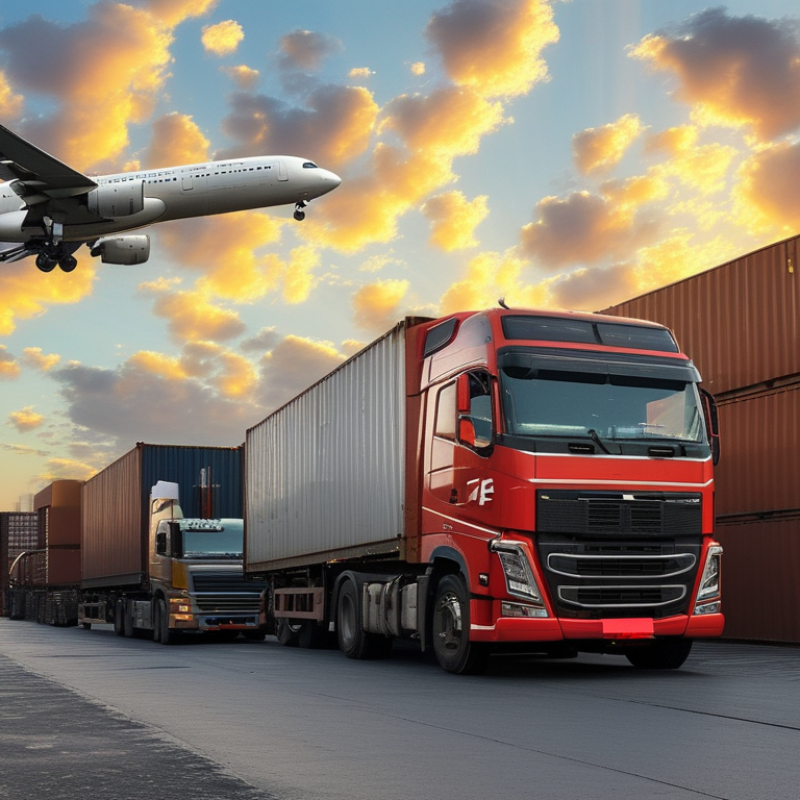
Understanding the Role of Freight Forwarding in Global Sourcing
Freight forwarding plays a crucial role in global sourcing by acting as an intermediary between manufacturers and distributors. These professionals manage logistics, customs documentation, and transportation, ensuring timely delivery of goods. Their expertise helps businesses navigate complex regulations across different countries, minimizing potential delays and risks.
When selecting a freight forwarder, consider their experience. A forwarder with a proven track record understands the challenges of international shipping. They can anticipate issues before they arise. This proactive approach adds peace of mind to your sourcing process.
Communication is key in freight forwarding. Clear and consistent updates keep stakeholders informed. Frequent updates reduce misunderstandings and help manage expectations. A reliable forwarder will provide transparent reporting throughout the shipping process.
It’s essential to assess the costs involved. While cheaper options may seem tempting, they can lead to hidden fees and delays. Consider the overall value, not just price. Quality service often pays off in the long run, despite higher upfront costs.
Key Benefits of Utilizing Freight Forwarding Services
Freight forwarding can significantly streamline your global sourcing strategy. One key benefit is the expertise provided by freight forwarders. They understand international shipping regulations, helping you avoid costly mistakes. This specialized knowledge ensures that your goods are shipped efficiently and securely.
Another advantage is the ability to consolidate shipments. By combining smaller orders into a single shipment, you can lower shipping costs. This can be particularly beneficial for small businesses looking to optimize their supply chains. Additionally, freight forwarders manage logistics, including customs clearance, which can save you time and effort.
When choosing a freight forwarder, consider their reputation and experience. Look for reviews and industry ratings. A reliable partner can make a significant difference in your shipping process. Also, ensure clear communication about your specific needs and expectations. This will foster a better working relationship and minimize misunderstandings.
How to Choose the Right Freight Forwarder for Your Needs
When selecting a freight forwarder for your global sourcing needs, understanding their qualifications is crucial. Look for partners with extensive industry experience and proven specialization in international shipping. According to industry data, 51% of companies cite freight forwarder expertise as the most vital factor in their selection process. Check if the forwarder holds relevant certifications. This ensures compliance and reliability in handling your goods.
Communication is key. Choose a forwarder who provides a dedicated point of contact. Regular updates and transparency can reduce stress during the shipping process. Statistics show that businesses with effective communication strategies improve customer satisfaction by up to 25%. It's also important to assess their technology. A forwarder using advanced tracking systems can offer real-time updates, enhancing visibility for your shipments.
Consider these aspects: evaluate their network reach and service offerings. A wide network can lower shipping costs and delivery times. Remember, no forwarder is perfect. Look for customer reviews that highlight both strengths and weaknesses. This balanced view helps in making an informed decision. Always prepare for potential challenges. A good freight forwarder will help navigate those hurdles.
Common Challenges in Global Sourcing and How Forwarders Help
Global sourcing often comes with a myriad of challenges. Sourcing products from different countries can be complex. Language barriers may lead to misunderstandings. Inconsistent quality standards can result in product failures. Delays in shipping can disrupt supply chains. These issues can hinder a business's growth, making efficient sourcing difficult.
Freight forwarders play a crucial role in addressing these challenges. They act as your logistics partners, managing the intricacies of international shipping. Their expertise helps streamline the process, ensuring timely delivery. Forwarders have established relationships with carriers, which often translates to better rates and improved reliability. They also understand customs regulations, reducing the risk of delays at borders.
What about unforeseen problems? Sometimes shipments are damaged or lost. A skilled freight forwarder can provide solutions to mitigate these risks. They offer insurance options and track shipments to ensure accountability. Having a forwarder can ease the pressure and let businesses focus on their core activities. It is essential to weigh the potential benefits against the complexities involved when making sourcing decisions.
The Future of Freight Forwarding in Global Supply Chains
The future of freight forwarding in global supply chains is evolving rapidly, driven by advancements in technology and changing market needs. As businesses source globally, they rely more on freight forwarders to navigate complex logistics. This shift emphasizes the importance of building strong relationships with reliable partners who understand diverse regulations and shipping routes.
Emerging technologies like AI and blockchain are revolutionizing freight forwarding. These tools enhance transparency, allowing real-time tracking and improved communication. However, companies must not overlook the human element in logistics. Dependable communication with suppliers and customers remains crucial. The balance between technology and personal touch can enhance service quality, making the supply chain more efficient.
Sustainability is another pressing concern for the future. As businesses strive for greener practices, freight forwarders play a key role. They can implement eco-friendly logistics solutions to minimize carbon footprints. This transition poses both challenges and opportunities. The industry must continuously adapt to meet new environmental standards while providing cost-effective services. Finding solutions that are both innovative and sustainable is essential for long-term success.
Why Choose Freight Forwarding for Your Global Sourcing Needs? - The Future of Freight Forwarding in Global Supply Chains
| Dimension |
Data Point 1 |
Data Point 2 |
Data Point 3 |
| Shipping Time (Days) |
7 |
10 |
15 |
| Cost (USD) |
500 |
700 |
1000 |
| Customs Clearance Time (Hours) |
2 |
3 |
5 |
| Reliability Rate (%) |
98 |
95 |
90 |