Why Choose a Railway Forwarder for Your Freight Needs?
In the rapidly evolving logistics industry, choosing a Railway Forwarder can significantly impact your freight needs. According to a recent report by the International Union of Railways, railway transport accounts for approximately 10% of global freight transportation. This mode is gaining popularity due to its efficiency and reduced carbon footprint. John Smith, a logistics expert from the Freight Transport Association, emphasizes, "Railways provide a reliable solution for sustainable logistics."
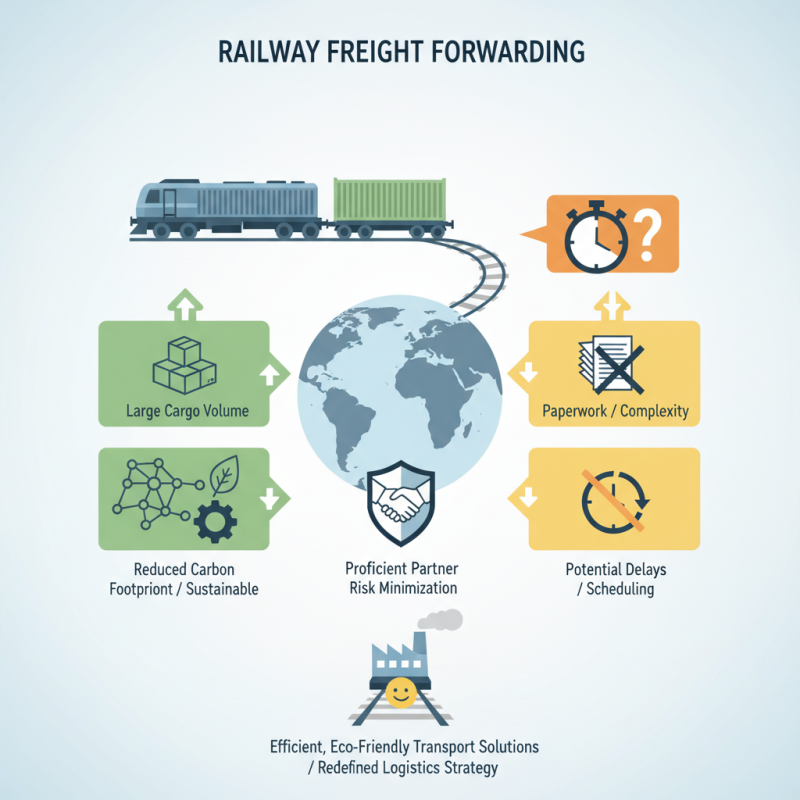
Railway Forwarders stand out for their ability to handle large volumes of cargo. Their networks often reach remote areas, making them an attractive option for businesses. However, some companies still hesitate, fearing delays and the complexity of railway logistics. The reality is that a proficient Railway Forwarder can minimize these risks. With a well-established infrastructure, they ensure timely deliveries while reducing environmental impact.
Despite the advantages, challenges remain. Not all clients understand the nuances of working with a Railway Forwarder. Some may struggle with the paperwork or scheduling. These hurdles can lead to frustrations and potential delays. Yet, with the right partner, businesses can overcome these obstacles and embrace efficient, eco-friendly transport solutions. The choice of a Railway Forwarder could redefine your logistics strategy today.
Advantages of Using a Railway Forwarder for Freight Transportation
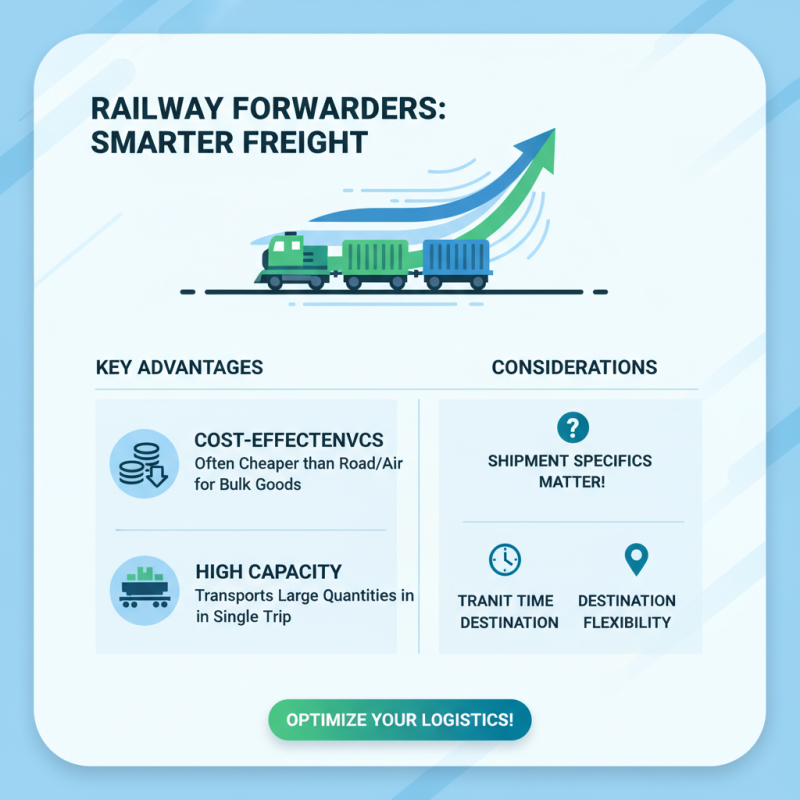
Railway forwarders offer unique advantages for freight transportation. One of the key benefits is cost-effectiveness. Rail transport often costs less than road or air shipping for bulk goods. This can lead to significant savings for businesses. Additionally, railways can handle large quantities of freight in a single trip, reducing the number of trips needed. However, companies must consider the specific needs of their shipments.
Another crucial aspect is reliability. Trains adhere to strict schedules, reducing the risks of delays. This can be especially vital for businesses relying on timely deliveries. Moreover, railway networks connect various regions efficiently, often reaching locations that other modes can’t. Still, freight forwarding isn’t without challenges. It requires careful planning and knowledge of schedules and routes. Sometimes, delays can occur due to unforeseen circumstances like weather.
Environmental benefits should not be overlooked. Rail transport is generally more eco-friendly than trucking. Trains produce lower emissions per ton-mile, aligning well with sustainability goals. However, some businesses may need to adapt their logistics to take full advantage of this. While there are many pluses, it's essential to evaluate individual shipping requirements and constraints. Effective communication with your forwarder is critical for optimal results.
Key Services Offered by Railway Forwarders
Railway forwarders have become essential partners in freight logistics. They offer key services that optimize the transportation of goods across vast distances. One standout service is multi-modal transportation. According to the International Union of Railways, rail transport accounts for about 7% of global freight movement, highlighting its significance. This multi-modal approach integrates rail, truck, and sometimes air, ensuring efficiency.
Another critical service includes customs clearance assistance. Many businesses face challenges navigating complex customs regulations. Railway forwarders are experts in this realm. They often have dedicated teams working on documentation and compliance. In fact, reports show that businesses experience a 30% faster clearance rate when using forwarding services, avoiding potential delays that can be costly.
Additionally, these forwarders provide tracking solutions. Real-time visibility into cargo location is invaluable. It mitigates risks and enhances logistical planning. However, not all railway forwarders utilize cutting-edge technology, which can lead to discrepancies in tracking. Companies need to critically assess their partners to ensure they meet industry standards for transparency and reliability.
Cost Efficiency of Railway Freight Forwarding Solutions
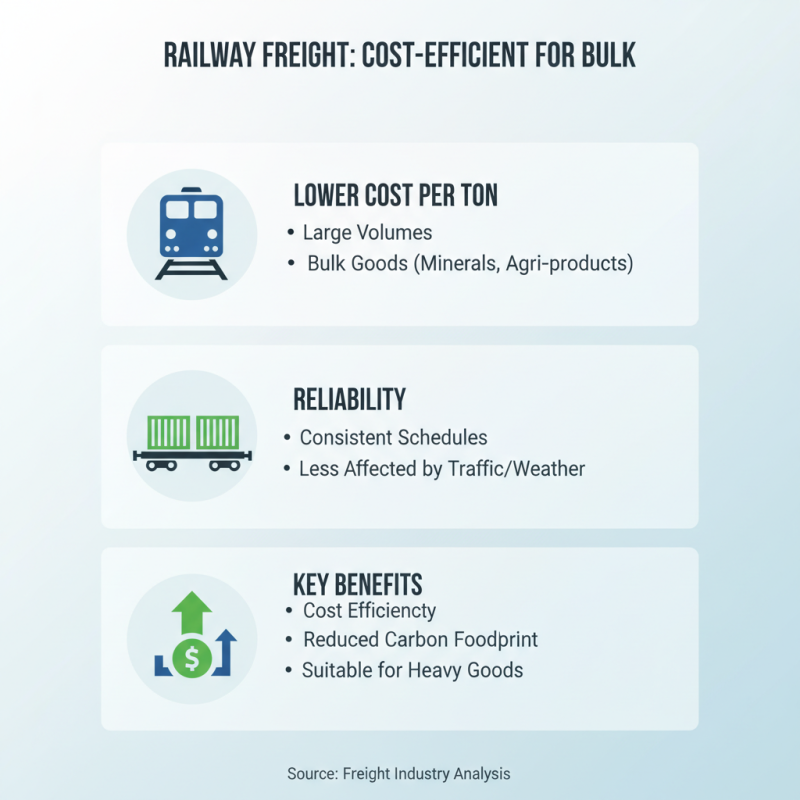
When considering freight solutions, railway forwarding often stands out for its cost efficiency. Unlike road transport, rail networks can carry larger volumes over long distances at a lower cost per ton. This efficiency is especially notable for bulk goods like minerals and agricultural products. While rail might not be the fastest option, it’s reliable, making it a strong contender for certain shipments.
However, using a railway forwarder requires careful planning. The routes and schedules must align with your logistics needs. Delays can happen, and freight movements may take longer than expected. Additionally, rail services may not reach every location directly. Sometimes, goods still need the last-mile delivery by road. It’s crucial to assess the overall logistics before deciding.
Choosing a railway forwarder can save money, but it isn't foolproof. Hidden costs may arise, such as terminal fees or additional handling charges. Tracking systems can be less transparent than those in trucking. Understanding these factors is vital. It can help you streamline your supply chain while keeping costs manageable.
Environmental Benefits of Choosing Rail Transport for Shipping
Rail transport is becoming an increasingly attractive option for freight. One of the most significant benefits is its environmental impact. Railways produce fewer greenhouse gas emissions per ton of freight compared to trucks. This means shipping goods via rail can lower your carbon footprint significantly.
In 2020, rail transport emitted about 45% less carbon than road transport. Trains can move a large volume of goods at once. This high capacity reduces the number of trips needed, resulting in less fuel consumption. Every train replaces dozens of trucks on the roads, easing traffic congestion and lowering pollution levels. However, not all routes and terminals are optimized for efficient rail service.
There are challenges too. Some regions lack proper rail access or infrastructure. This can hinder the potential benefits. Also, delays in rail networks can offset some environmental gains. Yet, with careful planning, rail transport can still be a greener choice. It encourages more sustainable shipping practices and supports a shift towards eco-friendly logistics.
Factors to Consider When Selecting a Railway Forwarder
Choosing a railway forwarder can significantly impact your freight operations. One critical factor is the forwarder's experience. A seasoned forwarder understands the complexities of rail logistics. They know the best routes, potential disruptions, and how to handle delays.
An experienced partner can save you time and money.
Another key aspect is the network of connections. A forwarder with strong ties to railway operators can facilitate smoother shipments. They can negotiate better rates and ensure timely delivery.
Additionally, the technology used for tracking shipments plays a vital role. A forwarder with advanced tracking systems provides real-time updates. This transparency reassures you about your cargo's status.
Consider the customer service quality as well. A responsive team that communicates effectively can ease your concerns. However, not all forwarders excel in this area. Sometimes, you might face delays in response or lack of clarity.
It's essential to reflect on these experiences and choose wisely. A good railway forwarder can enhance your logistics, providing peace of mind and efficiency in your supply chain.