How to Efficiently Utilize the China-Europe Railway for Your Business?
The China-Europe Railway opens up a world of opportunities for businesses. This extensive network connects major cities in China with those in Europe. It offers a reliable and efficient way to transport goods across great distances.
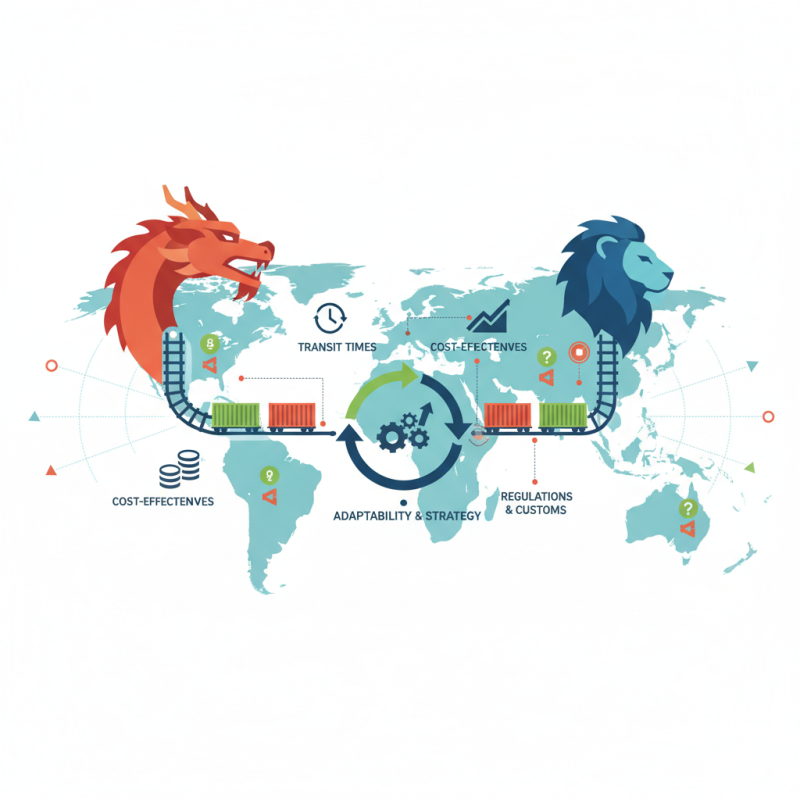
Navigating the logistics can be challenging. Different regulations and customs requirements may complicate shipments. Understanding these intricacies is essential for maximizing benefits. For instance, businesses must track transit times, which can vary based on the route taken.
Furthermore, the cost-effectiveness of the China-Europe Railway requires careful consideration. While it may be faster than sea freight, costs can fluctuate. Evaluating both pricing and efficiency is crucial to ensure your business remains competitive. Businesses must be flexible and open to adjustments along the way. This adaptability can lead to better strategies in utilizing the China-Europe Railway effectively.
How the China-Europe Railway Reduces Logistics Costs for Businesses
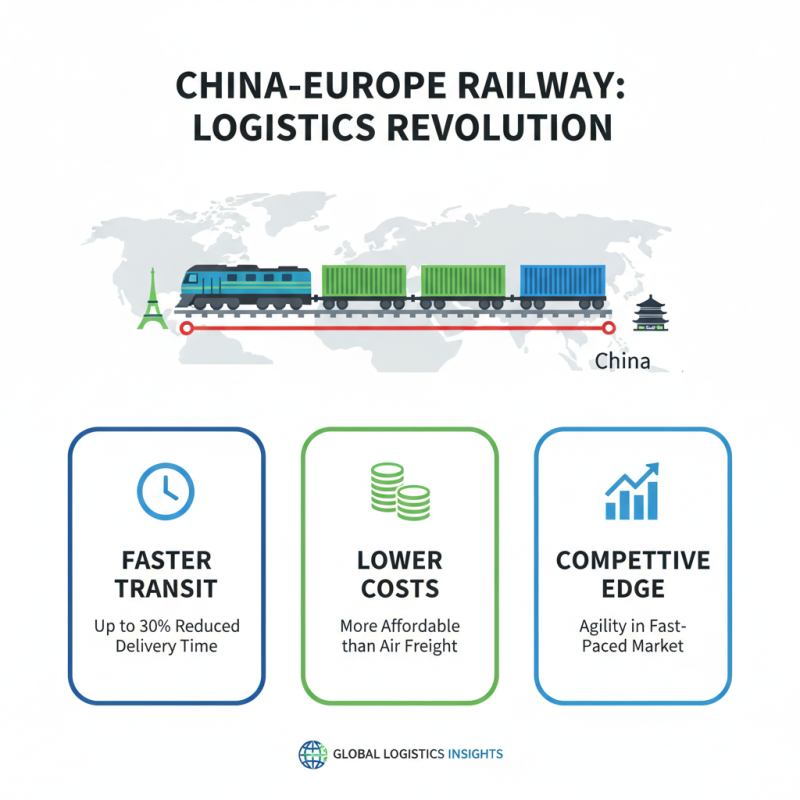
The China-Europe Railway is transforming logistics for businesses. It significantly reduces costs associated with transportation. According to a recent report by the World Bank, railway transport costs can be up to 60% lower than air freight. This is crucial for businesses looking to maximize profitability.
Using the railway reduces delivery times as well. A typical shipment from China to Europe takes about 12-18 days via train. This is faster than sea freight, which can take around 30-40 days. Shorter transit times mean quicker access to markets. Companies can respond to demand changes without delay.
However, reliance on this transport mode may have challenges. Infrastructure issues exist along certain routes. Delays can still occur, impacting schedules. Furthermore, not all goods are suitable for rail. Businesses must assess their specific needs before committing. Understanding these factors is key to leveraging the benefits of the China-Europe Railway effectively.
Key Routes of the China-Europe Railway and Their Strategic Importance
The China-Europe Railway is a vital trade route. It connects China with various countries in Europe. This network includes many critical routes. For instance, the Chongqing-Duisburg route is one of the shortest and most efficient. It significantly reduces the time for cargo transit, often taking only 12-16 days. In 2021, rail freight between China and Europe increased by over 20%. This surge highlights the railway's role in global trade.
Utilizing these routes can be strategic for businesses. A study showed that rail freight reduces carbon emissions by up to 40% compared to air freight. This is crucial for companies focused on sustainability. In addition, the railway provides a reliable alternative to sea freight during disruptions, which has become more common. Businesses can mitigate risks by diversifying their transportation options.
Tips: Focus on key routes that align with your market. Analyze your supply chain needs. Ensure timely booking to avoid delays. It’s important to consider costs too. Rail transport can be cost-effective, particularly for high-value goods. Reflect on your logistics strategy regularly to adapt to changes in the freight landscape.
Timeframes and Reliability: Comparing the Railway to Air and Sea Freight
When it comes to logistics, timeframes and reliability are crucial. The China-Europe Railway offers a balance between speed and cost. Typically, it takes around 10 to 15 days to ship goods from China to Europe. This is significantly faster than sea freight, which can take up to 30 days. However, air freight is quicker still, usually under a week. Yet, it is much more expensive. Businesses must evaluate their needs carefully.
Tips: Assess your product’s urgency. If you need a fast turnaround, consider air freight. For less urgent shipments, the railway is a strong choice. Always prepare for possible delays, as they can happen.
Reliability is another key factor. The railway boasts a high success rate for on-time deliveries. However, you must consider customs delays. These can impact overall shipping times. Staying aware of customs regulations can improve your experience.
Tips: Build in buffer time for customs. This could save potential headaches. Communicate clearly with your logistics provider about your timeline and expectations. Sometimes, flexibility leads to better solutions.
How to Efficiently Utilize the China-Europe Railway for Your Business? - Timeframes and Reliability: Comparing the Railway to Air and Sea Freight
| Freight Mode |
Transit Time (Days) |
Reliability (%) |
Cost per Ton ($) |
Environmental Impact (CO2 Emissions, Tonnes) |
| Railway |
12-15 |
90% |
1,200 |
0.5 |
| Air Freight |
3-5 |
95% |
4,500 |
2.5 |
| Sea Freight |
25-30 |
80% |
700 |
1.0 |
Regulatory Considerations for Shipping via the China-Europe Railway
When considering the China-Europe Railway for your business, regulatory aspects are crucial. Different countries along the route have varying rules. Understanding customs regulations is vital for smooth operations. Each shipment needs proper documentation. Inaccurate paperwork can lead to delays. Be meticulous with product classification.
Compliance with safety standards is another concern. Check if your goods meet the safety regulations in the destination country. Some products may require additional certifications. Not adhering to these regulations can result in fines or refusal at customs. Research thoroughly and stay updated on regulatory changes.
Engaging with local logistics companies can provide insights. They often know the nuances of the regulatory landscape. However, relying solely on their guidance might not suffice. It's essential to continuously educate yourself and adapt. Regularly consult with trade experts to avoid pitfalls. Balancing efficiency and compliance can be challenging but is vital for success.