Top 10 Essential Tips for Choosing Sea Freight Services for Your Business
In the dynamic world of logistics, choosing the right sea freight services is crucial for businesses looking to optimize their supply chain and enhance operational efficiency. According to Jane Smith, a renowned expert in maritime logistics, “The right sea freight partner can make or break your shipping strategy, impacting everything from cost to delivery time.” As companies increasingly turn to sea freight for its cost-effectiveness and capacity for bulk shipments, understanding the essential factors to consider becomes ever more vital.
With various services and providers available, navigating the complexities of sea freight can be overwhelming. To aid businesses in making informed decisions, it’s important to emphasize key elements such as reliability, service offerings, and customer support. Each of these factors plays a significant role in ensuring that goods are transported efficiently and safely across international waters. By applying expert insights and practical tips, businesses can choose sea freight services that align with their strategic goals, ultimately leading to successful, smooth operations.

Understanding Your Business Shipping Needs
When it comes to selecting sea freight services for your business, a thorough understanding of your shipping needs is crucial. According to a report by the International Maritime Organization (IMO), global seaborne trade reached over 11 billion tons in 2019, illustrating the immense scale and significance of maritime logistics. This data shows that efficient and reliable shipping solutions can have a profound impact on operational costs and timelines for companies competing in today’s global marketplace.
To align your shipping strategies with your business objectives, start by assessing your cargo type and volume. The World Trade Organization (WTO) indicates that 90% of the world’s trade is carried by sea, emphasizing the importance of selecting services that cater to your specific requirements, whether it be bulk commodities, refrigerated goods, or oversized cargo. Determine the frequency of your shipments and the routes that best connect your suppliers and customers, as these factors heavily influence costs and transit times. Engaging with experienced freight forwarders who can provide tailored solutions based on market trends and ship availability can significantly enhance your shipping efficiency.
Lastly, understanding the regulatory landscape and documentation required for international sea freight is key in streamlining your processes. A report from the International Chamber of Shipping highlights that shipping companies face numerous compliance requirements, which can vary greatly by region and commodity. By ensuring you are well-informed and prepared for these regulations, you stand to avoid costly delays and penalties while fostering stronger relationships with your shipping providers.
Top 10 Essential Tips for Choosing Sea Freight Services for Your Business - Understanding Your Business Shipping Needs
| Tip No. |
Tip Description |
Key Considerations |
| 1 |
Identify Your Shipping Requirements |
Volume, destination, type of goods |
| 2 |
Research Freight Forwarders |
Experience, reputation, and network |
| 3 |
Compare Rates and Services |
Cost, shipping speed, customer service |
| 4 |
Check Insurance Options |
Coverage types, claim process |
| 5 |
Evaluate Carrier Reliability |
Timeliness, safety records |
| 6 |
Understand Customs Regulations |
Import/export laws, documentation |
| 7 |
Assess Transit Times |
Delivery speed vs cost |
| 8 |
Check for Real-time Tracking |
Visibility of shipments |
| 9 |
Seek Recommendations |
Reviews, referrals from peers |
| 10 |
Evaluate Customer Support |
Availability, responsiveness |
Evaluating Different Sea Freight Service Providers
When evaluating different sea freight service providers for your business, it’s crucial to consider several factors that will ultimately impact your supply chain efficiency. One essential tip is to thoroughly check the provider's credentials and experience in the industry. Look for companies with a solid track record, as their experience can be indicative of reliability and effectiveness in handling your cargo.
Another important aspect is understanding the range of services offered by potential providers. Ensure that they can accommodate your specific shipping needs, whether it's LCL (Less than Container Load) or FCL (Full Container Load) shipments. It’s beneficial to inquire about their supporting services, such as customs clearance, insurance, and tracking systems. These additional services can streamline your shipping process and provide peace of mind.
Additionally, consider the provider's reputation in terms of customer service. Read reviews and testimonials from other businesses to gauge their reliability and responsiveness. A provider that values communication and offers prompt support can significantly enhance your shipping experience and help resolve any issues that may arise during transit. Make sure to engage in discussions with potential partners to assess their willingness to accommodate your specific requirements.
Cost Considerations When Selecting Sea Freight Services
When it comes to selecting sea freight services, cost considerations are paramount for businesses seeking to optimize their shipping logistics. The World Bank's "Logistics Performance Index" reveals that transportation costs can account for up to 10-15% of total supply chain expenses, which underscores the importance of finding a balance between affordability and service quality. Companies need to assess various cost components, including freight rates, terminal handling charges, and customs fees, as these factors can significantly impact the overall budget.
In addition, businesses should analyze the fluctuations in freight rates influenced by global market trends. According to recent reports from the International Maritime Organization, the average cost per TEU (Twenty-foot Equivalent Unit) can vary dramatically—often by as much as 30%—depending on demand cycles and seasonal factors. Moreover, hidden costs, such as detention and demurrage fees, can further inflate expenses if not monitored closely. Therefore, successful businesses conduct thorough research and engage in cost-benefit analyses to ensure they are selecting sea freight services that align with their financial strategies while still meeting their operational needs.
Top 10 Essential Tips for Choosing Sea Freight Services
This chart illustrates the importance ratings of various factors to consider when selecting sea freight services for your business. Each factor is rated on a scale from 1 to 10, highlighting the key considerations that can affect your shipping decisions.
Assessing Transit Times and Delivery Reliability
When selecting sea freight services for your business, understanding transit times and delivery reliability is crucial. According to the latest data from the International Maritime Organization, global supply chains are increasingly affected by factors such as port congestion and unpredictable weather patterns, which can lead to delays. Businesses need to assess not just the estimated transit times provided by freight forwarders, but also historical performance data that indicates a carrier’s reliability over time.
Tip: Always inquire about a carrier's average delivery times to specific destinations and check their on-time performance statistics. Reports from logistics studies show that a carrier with a reliability rate of over 90% can significantly enhance your supply chain efficiency.
Another essential factor to consider is the choice of routes. Different shipping lanes may offer varying transit times due to congestion levels, customs processes, and port capabilities. Engaging in thorough research and utilizing routing analytics tools can provide insights into the most efficient pathways for your goods.
Tip: Leverage industry benchmarking reports to compare different carriers. While cost considerations are important, aligning with carriers that consistently meet or exceed delivery time expectations can lead to better inventory management and customer satisfaction.
Reviewing Customer Service and Support Options
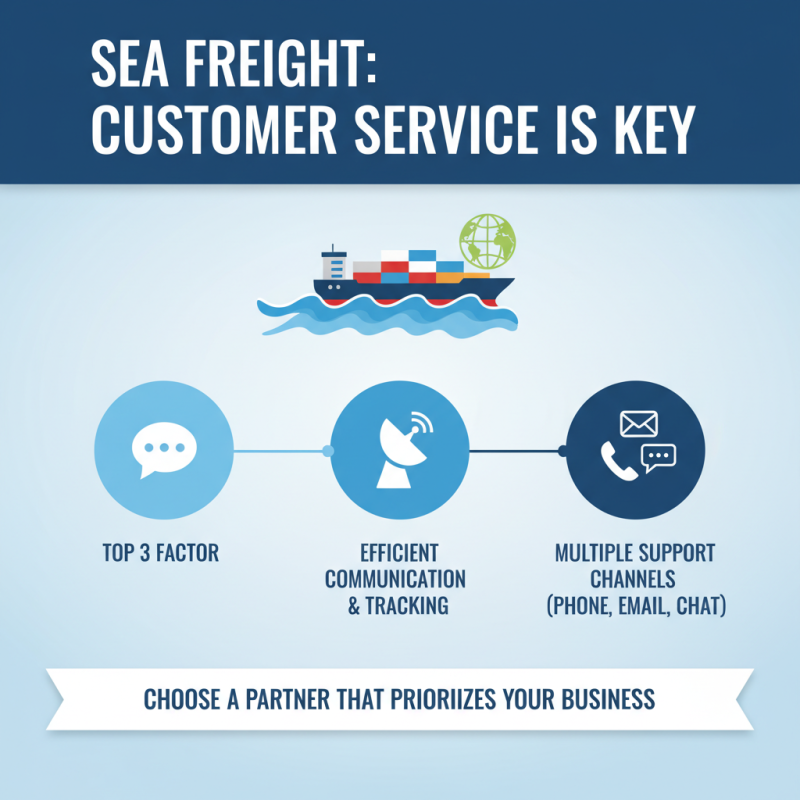
When choosing sea freight services for your business, customer service and support options should be a primary focus. A recent report by the Freight Management Association revealed that companies rank customer support as one of the top three factors influencing their choice of logistics solutions. Efficient communication channels are essential; they allow you to track shipments in real-time and quickly resolve any issues that may arise. Ensure that the service provider offers multiple platforms for support, including phone, email, and live chat, so you can easily reach out when needed.
Additionally, consider the quality of the customer service experience. Look for freight service providers that prioritize customer relationships and responsiveness. A survey conducted by Logistics Management indicated that 75% of businesses prefer providers that offer dedicated account managers. This ensures personalized support and a better understanding of your unique shipping requirements. Timely updates and proactive problem-solving capabilities can significantly reduce stress during the shipping process.
Tip: Always inquire about the provider’s response times for customer inquiries and the quality of their after-hours support. A provider with robust customer service options not only enhances your shipping experience but can also play a crucial role in mitigating delays and complications. Furthermore, check their online reviews and customer testimonials to gauge their service reliability and support efficiency.