Request a Quote
65445de874
Leave Your Message

10 Essential Tips for Optimizing Your Sea Freight Shipping Experience?

Navigating the world of sea freight can be challenging. Many shippers face obstacles that can affect their experience. Optimal sea freight practices can significantly enhance efficiency and save costs.

Understanding the intricacies of sea freight is vital. It's not just about choosing a carrier. It's about effective planning, scheduling, and communication. Many overlook the importance of accurate documentation. Missing paperwork can delay shipments. Unexpected costs can arise from not verifying details beforehand.

Yet, even seasoned shippers can feel overwhelmed. Shipping schedules often change, and port conditions vary. Reflecting on past experiences can lead to better decisions. Taking time to assess each shipment's needs will likely yield a smoother process. With a few essential tips, optimizing your sea freight shipping experience can be within reach.

10 Essential Tips for Optimizing Your Sea Freight Shipping Experience?

Understanding Sea Freight Basics for Better Shipping Decisions

10 Essential Tips for Optimizing Your Sea Freight Shipping Experience?

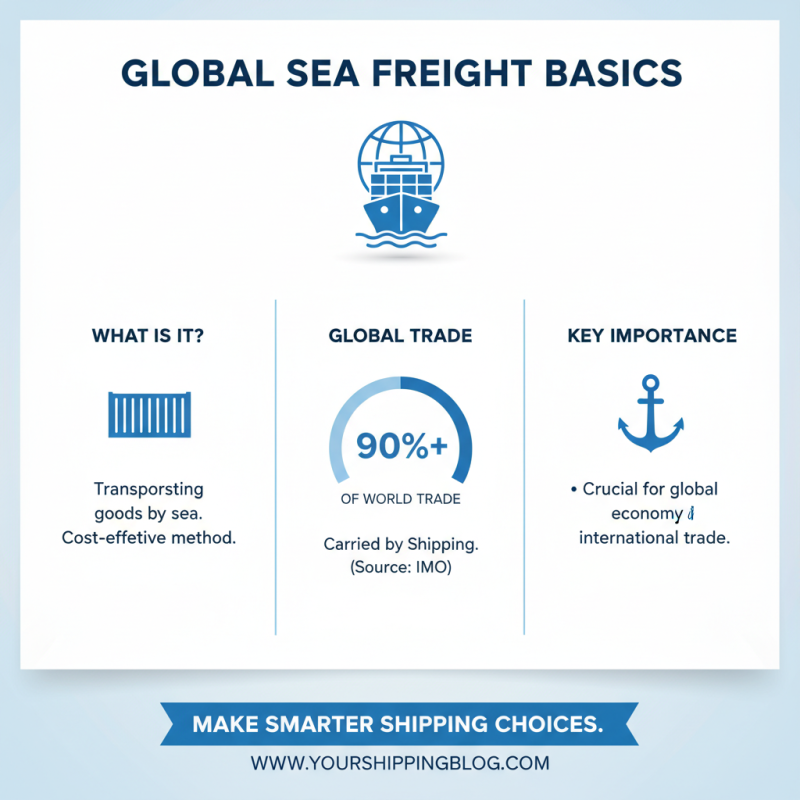
Understanding the basics of sea freight is key for better shipping decisions. Sea freight involves transporting goods by sea, and it's one of the most cost-effective methods. According to the International Maritime Organization, over 90% of global trade is carried by shipping. This reliance on sea freight emphasizes its importance.

Shipping costs can vary widely based on cargo type, distance, and the selected shipping line. For instance, according to a 2022 *Shipping and Freight Resource* report, shipping costs can fluctuate by as much as 30% based on fuel prices and demand. Understanding your cargo specifications is vital. Heavier and bulkier items can lead to higher freight charges. Not accounting for this can result in budget overruns.

Delays are common in sea freight. Weather conditions, port congestion, and customs clearance can all cause setbacks. A 2021 *FreightWaves* analysis revealed that 25% of shipments face delays due to port congestion. This highlights the importance of planning. Companies should prepare for such delays by factoring in storage costs and potential late delivery penalties. It's crucial to keep an open line of communication with your logistics provider to stay informed.

Choosing the Right Shipping Company for Your Needs

Choosing the right shipping company is crucial for your sea freight experience. Begin by assessing your specific needs. Consider the types of goods you are shipping and their volume. Some companies offer expertise in specific sectors, like perishables or heavy machinery. Others might specialize in certain routes. This focus can significantly impact the shipping process.

Once you've identified your needs, research potential companies. Look at their service history and customer reviews. A mix of positive and negative feedback can be illuminating. Pay attention to how they handle issues. Communication is essential, especially when delays arise. Some companies may lack transparency during unexpected events, which can be frustrating.

Compare quotes but don't solely rely on price. Cheaper options may come with hidden fees or less reliable service. Trustworthiness often matters more than a low price tag. Ensure you understand the terms and conditions before committing. A well-informed decision will save you trouble later on.

10 Essential Tips for Optimizing Your Sea Freight Shipping Experience

Tip Description Benefits
Select the Right Shipping Company Evaluate shipping companies based on reputation, services offered, and customer reviews. Ensure reliability and find a partner that suits your specific needs.
Understand Freight Rates Get a clear breakdown of freight costs, including fuel surcharges and additional fees. Avoid unexpected charges and budget more accurately.
Consolidate Shipments Combine multiple shipments to maximize container space and reduce costs. Lower per-unit shipping costs and improve efficiency.
Know Your Incoterms Familiarize yourself with international commercial terms that define shipping responsibilities. Clarify responsibilities and reduce disputes during transport.
Track Your Shipment Use tracking tools provided by the shipping company to monitor progress. Stay informed and manage expectations regarding delivery times.
Prepare Proper Documentation Ensure all necessary shipping documents are complete and accurate before departure. Prevent delays and fines at customs.
Communicate with Your Freight Forwarder Maintain open lines of communication to address issues as they arise. Facilitate a smoother shipping process and foster better partnerships.
Evaluate Insurance Options Consider marine insurance to protect your cargo against loss or damage. Minimize financial risks associated with shipping.
Plan for Delays Factor in additional time for customs clearance and other potential delays. Enhance overall supply chain efficiency and reliability.
Review After Shipping Analyze the shipment process to identify areas for improvement. Continuously improve your shipping strategy for future shipments.

Calculating Costs and Budgeting for Sea Freight Shipping

When it comes to sea freight shipping, accurate cost calculation is crucial. Shipping fees can vary significantly based on several factors. Cargo weight, dimensions, and destination all play a part. It's essential to measure your cargo precisely. Underestimating can lead to unexpected costs. Oversized or overweight parcels incur extra charges. Consider using a freight calculator. This tool provides estimates but may not account for all fees.

Budgeting for sea freight also requires foresight. Think about additional costs such as insurance. Protecting your goods financially reduces the risk of loss. Keep in mind port fees and handling charges too. These can add up quickly. Always share your freight requirements clearly with the shipping provider. Miscommunication can result in higher expenses.

Also, consider the timing of your shipment. Sometimes, booking in advance can save money. However, last-minute shipping often incurs premium pricing. Reflect on your shipping plans regularly. Adjust as necessary based on your budget and requirements. This approach leads to better planning and cost efficiency. Don’t overlook the need for flexibility.

Sea Freight Shipping Costs Breakdown

Preparing Your Cargo for Safe and Efficient Transport

When preparing cargo for sea freight, attention to detail is crucial. According to industry statistics, around 25% of cargo damage occurs due to improper packaging. Ensuring your goods are packed correctly can help prevent such losses. Use sturdy materials, like double-walled boxes or wooden crates, for fragile items. Also, consider the weight distribution. Uneven loading can lead to accidents during transit.

Ventilation is another key aspect. Storing goods in containers without proper airflow can cause moisture buildup. This can result in mold or rust, especially for metals and textiles. Reports indicate that about 7% of containers suffer from water damage, highlighting the importance of adequate sealing and ventilation.

Finally, label your cargo clearly. Proper labeling aids in identification and handling. Over 10% of shipping errors stem from mislabeling. This could cause delays and additional costs. By focusing on these aspects, you improve the safety and efficiency of your shipping experience. Reflecting on these practices can help you avoid common pitfalls that are easily overlooked.

Tracking Your Shipment: Tools and Techniques for Visibility

Visibility in sea freight shipping is crucial. Many businesses still struggle with tracking. According to a report from the International Maritime Organization, about 30% of logistics failures stem from a lack of tracking tools. Companies must adopt effective techniques for real-time visibility. Without proper tracking, delays become common, leading to lost revenue.

Utilizing advanced tools can enhance tracking capabilities. GPS and RFID technology provide precise location data. A survey indicated that firms using digital tracking systems see a 20% improvement in on-time deliveries. However, not all companies implement these solutions effectively. Some still rely on traditional methods, which often lead to confusion and miscommunication.

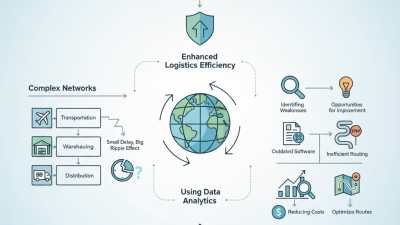
Data analytics can further optimize the shipping experience. Analyzing shipment data helps identify efficiency gaps. Yet, many remain unaware of how to leverage this information. A report found that only 45% of companies use analytics for shipping decisions. Embracing these technologies might seem daunting, but they are essential for a streamlined process.