Top 10 Global Logistics Trends Changing the Industry Today
The landscape of global logistics is evolving rapidly. Companies are facing new challenges and opportunities that reshape their strategies. Understanding these changes is crucial for success in today’s economy.
One trend pushing the industry forward is technology. Innovations like AI and automation streamline operations. More companies are adopting data-driven decisions. However, many struggle to implement these technologies effectively.
Sustainability also plays a vital role in global logistics. Businesses must balance efficiency and environmental responsibility. Some have made great strides, but others lag behind. Recognizing these areas for improvement can lead to a more resilient future. Global logistics requires adaptability and foresight in navigating these trends.
Emergence of E-commerce and Its Impact on Logistics
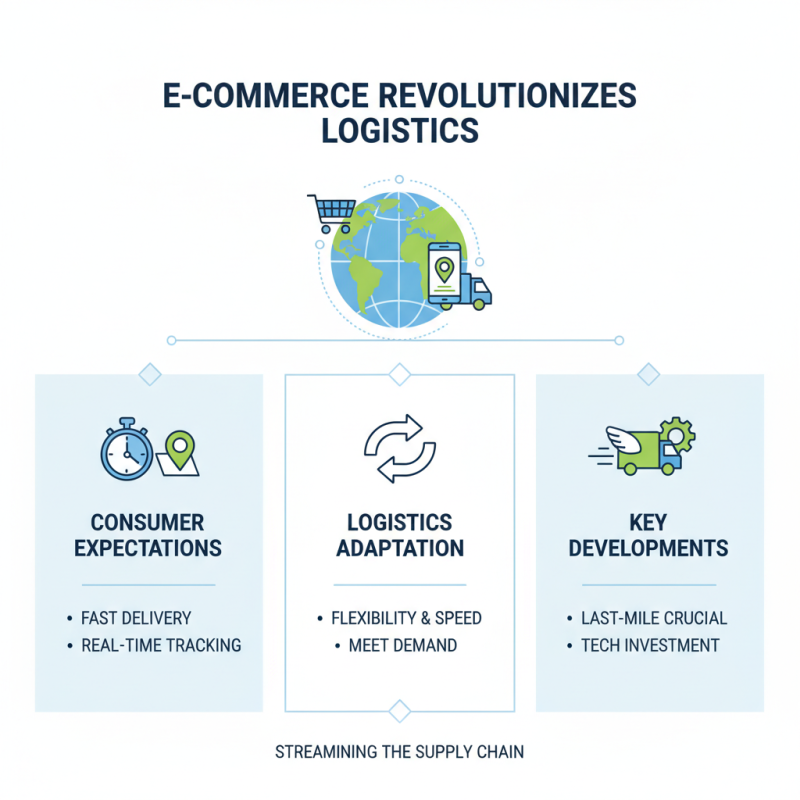
The rise of e-commerce has significantly transformed the logistics landscape. Today, consumers expect fast delivery and real-time tracking. This shift demands flexibility from logistics providers. They must adapt quickly to meet customer needs. Last-mile delivery systems have become crucial. Companies are investing in technology to streamline these processes.
Tips: Implementing efficient route planning software can reduce delivery times. Consider using drones or autonomous vehicles for last-mile delivery options.
However, not all changes have been seamless. Some logistics firms struggle with inventory management. Misalignment between supply and demand can lead to delays. Warehousing has also evolved. Modern warehouses need to handle an increasing volume of returns. This is a challenge that many are still figuring out.
Tips: Regularly review inventory turnover rates. This can help you anticipate demand fluctuations. Training staff to handle returns efficiently can improve customer satisfaction.
E-commerce and logistics are tightly interwoven. Each affects the other in profound ways. The demand for personalized logistics solutions continues to rise. Yet, logistics providers must reflect on their operational capabilities. Adapting to ongoing changes remains a work in progress for many in the industry.
Integration of Advanced Technologies in Supply Chain Management
The integration of advanced technologies in supply chain management is reshaping the logistics industry. Automation, artificial intelligence, and blockchain are at the forefront of this transformation. Companies are beginning to adopt smart warehousing solutions. These systems use robotics to pick and sort items efficiently. Yet, the implementation is not without challenges. Many businesses struggle with the high costs of technology adoption.
Data analytics is also becoming crucial. It enables real-time tracking of shipments and inventory levels. This leads to better decision-making and improved customer satisfaction. However, the reliance on data brings privacy concerns. Companies must navigate these issues carefully. They need to protect sensitive information while leveraging insights for growth.
Another emerging trend is sustainability. Logistics firms are seeking greener practices. They invest in electric vehicles and eco-friendly packaging. Still, balancing sustainability and profitability can be difficult. Companies must reevaluate their strategies to find effective solutions. The road ahead is complex, but the potential rewards are significant.
Top 10 Global Logistics Trends Changing the Industry Today
| Trend |
Description |
Impact on Industry |
Adoption Rate (%) |
| Automation and Robotics |
Implementation of automated systems and robots in warehouses for efficiency. |
Increases efficiency and reduces labor costs. |
65% |
| Blockchain Technology |
Using blockchain for secure and transparent transactions. |
Enhances traceability and reduces fraud. |
50% |
| Artificial Intelligence |
AI algorithms for demand forecasting and inventory management. |
Improves decision-making and reduces waste. |
58% |
| Internet of Things (IoT) |
Connected devices for real-time monitoring of shipments and assets. |
Enhances visibility and control over inventory. |
72% |
| Sustainability Initiatives |
Adoption of eco-friendly practices to reduce carbon footprint. |
Promotes brand image and compliance with regulations. |
68% |
| Data Analytics |
Utilizing big data to analyze trends and improve services. |
Enhances operational efficiency and strategic planning. |
60% |
| E-commerce Logistics |
Adapting logistics for the rapidly growing e-commerce sector. |
Increases demand for faster delivery solutions. |
75% |
| Last-Mile Delivery Innovations |
Exploring new methods for efficient last-mile delivery. |
Improves customer satisfaction and reduces delivery times. |
66% |
| Cloud Computing |
Using cloud services for scalable logistics management. |
Enhances collaboration and access to information. |
70% |
| Digital Twins |
Creating digital replicas of physical assets for simulation. |
Enables better planning and optimization of logistics operations. |
45% |
Sustainability and Green Logistics: Trends Shaping the Future
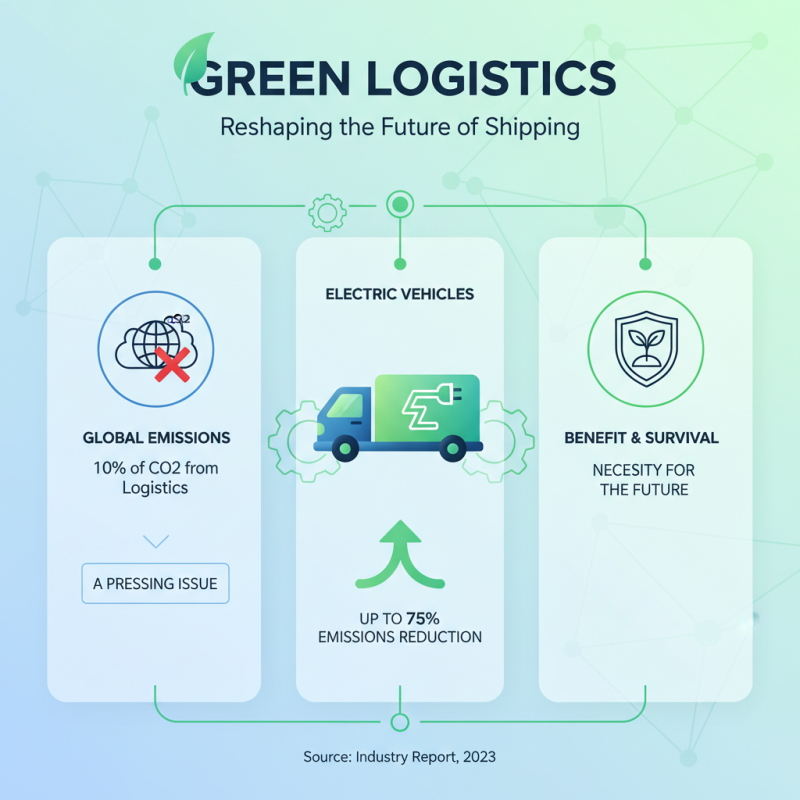
Sustainability is reshaping logistics in profound ways. The logistics sector accounts for roughly 10% of global CO2 emissions. This pressing issue drives companies to implement green practices. According to a recent report, shifting to electric vehicles can reduce emissions by up to 75%. These changes are not just beneficial; they are necessary for survival.
Supply chain transparency is another vital trend. Consumers demand to know how their products are sourced. A study shows that 47% of consumers consider sustainability in their buying decisions. This pressure encourages organizations to enhance their environmental credentials. However, achieving full transparency is challenging. Many industries still struggle with outdated practices and lack accurate data.
Companies must also rethink their packaging choices. The use of sustainable materials is on the rise, with 67% of firms exploring eco-friendly options. Nevertheless, packaging waste remains a significant problem. While advancements in biodegradable materials are promising, they are not yet widely adopted. The industry must reflect on these challenges to align with future demands.
The Rise of Automation and Robotics in Warehousing
The warehousing sector is experiencing a significant transformation. Automation and robotics are reshaping how goods are stored and retrieved. Traditional picking methods are slow and often prone to error. With the rise of automated guided vehicles (AGVs) and robotic arms, efficiency is increasing.
Robots can work tirelessly, handling repetitive tasks that humans often find tedious. They can sort packages, lift heavy items, and optimize space in warehouses. This technology reduces the risk of injury for workers. However, it’s not all smooth sailing. There are challenges in maintenance and the initial cost of implementing these solutions. Many facilities struggle to adapt to the rapid changes.
Human workers are still crucial, especially for complex tasks. While robots excel at efficiency, they lack the ability to handle unexpected issues. The balance between automation and human labor must be carefully managed. Companies must continually assess their needs and the capabilities of their workforce. Embracing technology requires thoughtful integration to avoid disruption. Different warehouses may see varying results from automation, pushing them to reconsider their strategies continuously.
Top 10 Global Logistics Trends Changing the Industry Today
This chart illustrates the impact of various logistics trends on the industry, rated on a scale from 1 to 10. Automation and e-commerce growth are currently the most significant factors shaping the future of logistics.
Shift Towards Customized and Agile Logistics Solutions
The logistics industry is witnessing a significant shift towards customized and agile solutions. Companies now prioritize tailored services to meet diverse client needs. According to recent industry reports, over 70% of logistics providers are adapting their offerings to enhance customer satisfaction. This trend is driven by evolving consumer expectations for faster and more efficient services.
In this rapidly changing environment, flexibility is key. Providers face challenges in maintaining agility while ensuring quality. A study by a leading logistics firm highlighted that 80% of companies struggle with operational scalability. This indicates a need for continuous improvement in processes. Integrating advanced technologies can enhance responsiveness, but it requires careful planning and execution.
Tip: Consider investing in data analytics tools. Using insights from data can help in predicting customer behavior.
Furthermore, the desire for customized logistics is creating new complexities. Balancing efficiency with personalization is essential but difficult. Companies must also evaluate their supply chain resilience. As reported, 65% of businesses faced disruptions last year. Emphasizing flexibility can mitigate risks associated with these challenges.
Tip: Regularly review your logistics strategies. Adaptation is not a one-time event; it must be ongoing.