How to Improve Global Logistics Efficiency for Your Business?
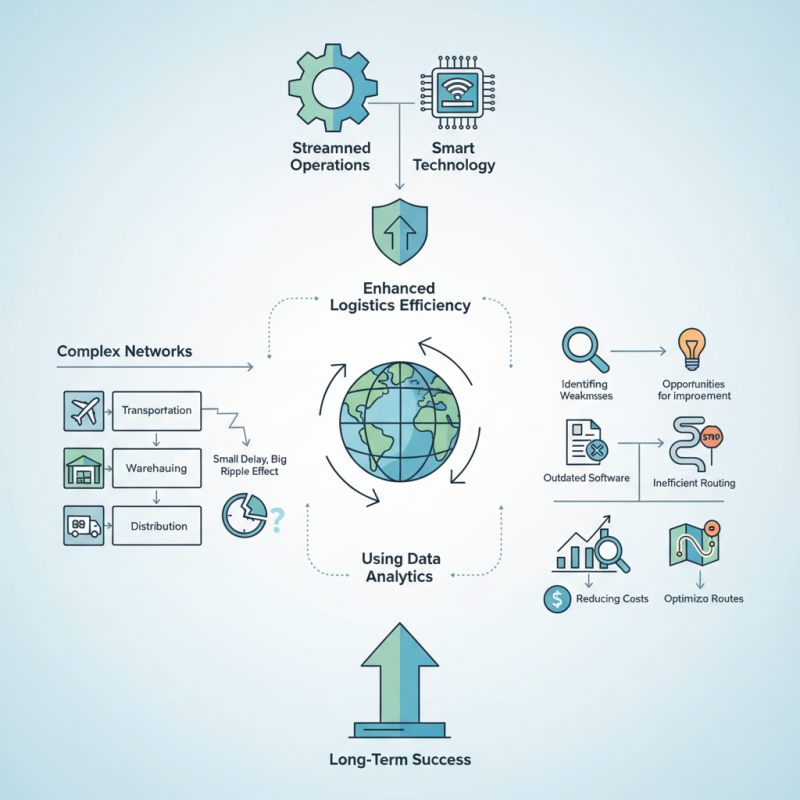
In today's fast-paced world, improving efficiency in Global Logistics is crucial for businesses. According to logistics expert John Doe, "Streamlined operations and smart technology are key to enhancing logistics efficiency." His insight highlights a growing need for effective practices in this industry.
Global Logistics involves complex networks of transportation, warehousing, and distribution. A small delay in delivery can cause significant ripple effects. Companies must rethink their strategies regularly. Identifying weaknesses in supply chains can reveal opportunities for improvement.
In an ever-changing market, staying stagnant is not an option. For instance, companies can struggle with outdated software or inefficient routing. These challenges demand attention and innovation. Using data analytics can assist in optimizing routes and reducing costs. Reflecting on these issues is essential for long-term success.
Assess Current Logistics Practices and Identify Areas for Improvement
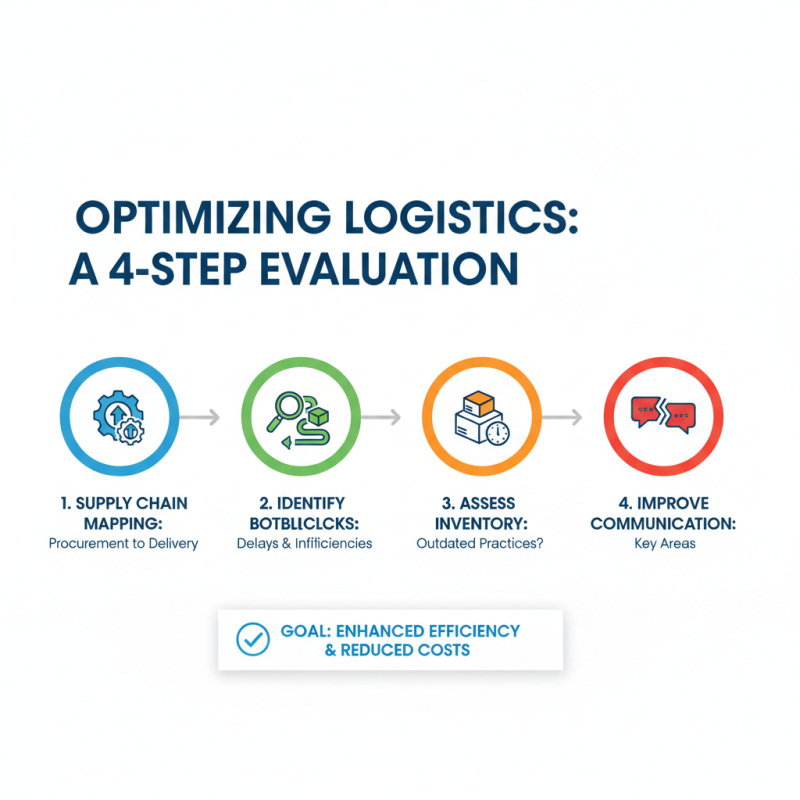
Assessing current logistics practices is crucial for improving efficiency. Start with a thorough evaluation of your supply chain. Map out each step, from procurement to delivery. Look for bottlenecks and delays. It might be that inventory management is outdated. Identify points where communication falters; these are key areas for improvement.
Tips: Involve your team. Gather feedback from those on the ground. They often see problems that management overlooks. Regular brainstorming sessions can spark innovative solutions.
Another area worth examining is technology. Is your logistics software up-to-date? Outdated systems can slow down processes. Consider automation for repetitive tasks. This could free up valuable time for your staff. Yet, implementing new tech requires careful thought. Training should accompany any system upgrade to avoid confusion.
Tips: Set clear metrics to track improvements. Use them to reassess your practices regularly. Adjust as needed. Reflect on both successes and failures to foster continuous growth.
Leverage Technology to Streamline Supply Chain Operations
Utilizing technology is crucial for enhancing supply chain operations. In a recent report from McKinsey, 80% of suppliers and shippers stated that technology dramatically improves visibility within their logistics networks. By adopting real-time tracking systems, businesses can reduce transit times by 10-20%. This improvement can substantially impact customer satisfaction and overall efficiency.
However, the integration of technology isn't without challenges. Many companies struggle with outdated systems that lack the compatibility needed for modern solutions. A survey by Deloitte revealed that 55% of companies encounter barriers when implementing advanced logistics technologies. Training staff often becomes a hurdle. Without proper training, technology can lead to misunderstandings and decreased productivity.
Yet, despite these challenges, the benefits of technology adoption are evident. Automation and data analytics can streamline operations. A report from Gartner found that companies utilizing advanced analytics in logistics improved their decision-making speed by 25%. But not every business is equipped to leverage these advanced tools. Reflecting on current practices is necessary to harness technology's full potential.
Enhance Collaboration with Key Supply Chain Partners
Enhancing collaboration with key supply chain partners is vital for improving global logistics efficiency. Research shows that effective collaboration can reduce logistics costs by up to 15%. Many businesses overlook the importance of building strong relationships with suppliers, distributors, and other partners. This oversight can lead to inefficiencies and increased delays.
Clear communication is essential. Regular meetings can help clarify expectations. Sharing relevant data fosters transparency. A report from the Council of Supply Chain Management Professionals notes that organizations with high collaboration levels see a 50% reduction in lead times. Thus, investing in collaborative tools like shared platforms may yield significant returns.
Tips: Start by identifying your primary partners. Create a shared vision for logistics. Consider joint training sessions on logistics practices. Reflect on current partnerships and evaluate inefficiencies. Are they causing bottlenecks? The goal should be to cultivate trust and resilience, making your logistics network robust against disruptions. Explore ways to align goals and responsibilities closely. This alignment will ultimately enhance efficiency and improve service levels.
Implement Efficient Inventory Management Strategies
Efficient inventory management is crucial for improving global logistics efficiency. Businesses need to streamline their processes to stay competitive. One common challenge is overstocking or understocking. Finding the balance is essential.
Tips: Use data analytics to track inventory trends. This helps in making informed decisions. Monitor your inventory turnover rate regularly. A high rate indicates good sales, while a low rate may signal issues.
Implementing just-in-time inventory can help reduce carrying costs. However, it requires careful planning. A sudden increase in demand can lead to stockouts. Consider partnering with reliable suppliers to avoid disruptions.
Regular audits of stock can uncover discrepancies. Issues like misplaced items or incorrect counts can slow down operations. These audits help maintain accuracy and accountability within the warehouse. Strive for improvement, as there will always be room for better efficiency.
Improving Global Logistics Efficiency: Inventory Management Strategies
Monitor and Analyze Logistics Performance Metrics Regularly
Monitoring and analyzing logistics performance metrics is crucial for improving global logistics efficiency. A report from the Council of Supply Chain Management Professionals indicates that 79% of companies actively track their logistics metrics. However, many firms still rely on outdated data or use insufficient performance indicators. This gap can lead to missed opportunities for cost reduction and service improvement.
Key metrics should include order accuracy, delivery times, and inventory turnover. For instance, companies with high inventory turnover rates often achieve lower holding costs. A 2019 study showed that organizations effectively monitoring these metrics could reduce logistics costs by up to 15%. Yet, frequent evaluation can be overlooked in daily operations. Some businesses may track metrics but fail to analyze trends effectively. This oversight can limit strategic planning and hinder growth.
The disconnect between data collection and actionable insights is common. Firms often gather vast amounts of information without leveraging it. A survey revealed that 60% of logistics managers are unsure how to apply their data. Regular analysis can identify inefficiencies in the supply chain. Firms must embrace a culture of continuous improvement to drive better logistics performance.