International Shipping Tips for Successful Global Procurement?
International shipping has become a cornerstone of global procurement strategies. Experts like John Smith, a seasoned logistics consultant, emphasize its importance. He once stated, "Effective international shipping is key to successful globalization." Understanding this process can streamline operations, reduce costs, and improve efficiency.
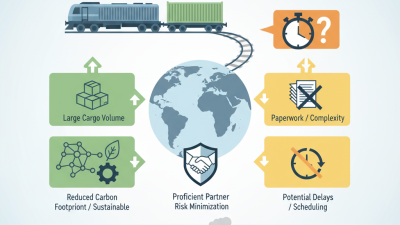
However, successful international shipping is not without challenges. Companies often face issues like customs delays and fluctuating rates. These factors can disrupt supply chains and impact reliability. Businesses must navigate these complexities with care and expertise. Building relationships with trusted shipping partners is crucial.
Moreover, it's essential to acknowledge that mistakes can happen. Learning from these experiences can lead to growth. Engaging with knowledgeable professionals can bridge gaps in knowledge and capability. Ultimately, international shipping requires a balanced approach to manage risks while maximizing opportunities.
Understanding the Basics of International Shipping for Global Procurement
International shipping is the backbone of global procurement. Understanding shipping logistics is vital for businesses. In 2022, global container shipping rates averaged $4,800 per forty-foot container. This reflects a decrease from previous highs, but costs remain substantial. Companies must assess their shipping options to manage expenses effectively.
Documentation plays a crucial role in international shipping. Proper paperwork helps avoid delays. According to the World Bank, trade delays can lead to significant financial losses. Missing forms can stall shipments for weeks. Companies should invest in training staff to handle documentation accurately.
Customs clearance is another complex factor. Failure to comply with regulations can jeopardize shipments. The International Trade Administration states that poor compliance costs businesses around $20 billion annually in fines. Companies often overlook local customs regulations. The learning curve can be steep, but meticulous research pays off. Balancing cost and time is essential in an ever-evolving global market.
Choosing the Right Shipping Method for Your International Orders
Choosing the right shipping method for international orders can make or break your procurement process. Different methods come with unique benefits and challenges. Understanding these can help you optimize your supply chain.
When shipping internationally, consider air freight for speed. It’s quicker but often expensive. Sea freight, on the other hand, is more cost-effective for bulk shipments. It takes longer but can save you money. Ensure you calculate delivery times based on your urgency.
Here are some tips:
1. Evaluate the weight and size of your shipments to determine the best method.
2. Investigate the shipping regulations in destination countries. It can save you from unexpected delays.
3. Compare quotes from multiple carriers. Don’t just choose the cheapest option. Quality matters too.
Remember, each method has its flaws. Air freight can lead to higher costs, while sea freight may increase risk of damage or loss. Think critically about your shipping choices to ensure successful procurement.
International Shipping Tips for Successful Global Procurement
| Shipping Method |
Delivery Time |
Cost |
Tracking Availability |
Insurance Options |
| Air Freight |
3-7 days |
High |
Yes |
Available |
| Ocean Freight |
10-30 days |
Low |
Yes |
Available |
| Courier Services |
2-5 days |
Medium |
Yes |
Optional |
| Rail Freight |
7-14 days |
Medium |
Limited |
Available |
Navigating Customs Regulations and Duties in Global Shipping
Navigating customs regulations and duties is crucial for successful global shipping. Each country has its own set of rules, which can be overwhelming. According to a 2022 report by the World Bank, 49% of businesses face challenges related to customs compliance. Understanding these regulations can help avoid delays and unexpected costs.
When importing or exporting goods, knowing the specific duties is essential. These can vary significantly depending on the product type and origin. For example, the average tariff rates can range from 0% to 10% in different countries. Familiarize yourself with the Harmonized System codes to classify your products accurately. Misclassification can lead to penalties and costly delays.
**Tip:** Always check the tariff classifications to ensure compliance.
Paperwork is another critical aspect. Accurate and complete documentation speeds up the customs clearance process. Customs authorities often request invoices, packing lists, and certificates of origin. Missing or incorrect documents can lead to hold-ups. A study indicated that improper documentation can increase clearance time by up to 40%.
**Tip:** Double-check all paperwork before submission.
Managing these complexities can seem daunting. However, investing time in understanding customs can save money and time in the long run. While the path is fraught with challenges, thorough preparation can pave the way for smoother global procurement.
Effective Packaging and Labeling for International Shipments
Effective packaging and labeling are crucial for international shipments.
Around 30% of parcels are returned due to inadequate labeling.
Clear labels prevent delays and confusion. Use durable materials to protect goods. Fragile items need extra care.
Consider the weight of packaging. Heavy materials can increase shipping costs significantly.
The World Bank reports that optimizing packaging can reduce logistics expenses by up to
20%.
Streamlining your packaging process can pay off in the long run.
Tips to remember:
Use barcodes for easy tracking. Keep labels legible and concise. Include all necessary information,
such as addresses and customs details. Double-check for accuracy before shipping.
Reflect on past mistakes to improve your strategy.
Small adjustments can lead to smoother international procurement.
Tips for Tracking and Managing Delays in International Deliveries
Delays in international shipments can be frustrating. Understanding the causes can help manage expectations. Factors such as customs clearance, weather disruptions, and logistics coordination often lead to setbacks. Acknowledging these points gives businesses more realistic timelines.
Tracking packages is vital. Use reliable tracking systems to monitor progress. Delays can occur at any point in the supply chain. If a package lingers in customs, proactive communication is essential. Contacting your freight forwarder can provide clarity on the situation. Explore different channels to gather updates, including online tools and customer service.
It’s crucial to prepare for potential delays. Communication with stakeholders is key. Providing updates can help maintain trust. Businesses should evaluate their supply chain strategies. Sometimes, a reassessment of shipment routes or methods may reveal better alternatives. Learning from each experience can enhance future shipping reliability.