How to Leverage Amazon Logistics for Your E Commerce Success?
In the fiercely competitive landscape of e-commerce, leveraging Amazon Logistics can be a game changer. According to John Smith, a renowned e-commerce strategist, “Amazon Logistics is not just a shipping solution; it’s a pathway to efficiency.” His insights illuminate how businesses can enhance their operational effectiveness through smart logistics management.
Amazon Logistics offers unparalleled reach and speed. With services like Fulfillment by Amazon (FBA), sellers can tap into a vast network. Yet, many businesses overlook the complexities involved. Integrating these logistics requires careful planning and an understanding of the system’s nuances. Without precise execution, the benefits may fall short.
While Amazon Logistics promises growth potential, it also demands introspection. Are businesses ready to adapt? Are they aware of evolving consumer expectations? These are essential questions. Reflecting on the full scope of logistics management can lead to greater success. Understanding and embracing challenges within Amazon Logistics is vital for any e-commerce venture aiming for success.

Understanding the Benefits of Amazon Logistics for E-Commerce Businesses
Understanding Amazon Logistics can greatly benefit E-Commerce businesses. Many sellers leverage its extensive network for fast shipping. This often results in higher customer satisfaction and better reviews. However, relying solely on one logistics partner can be risky. If something goes wrong, it can disrupt your entire supply chain.
Utilizing Amazon’s logistics allows sellers to tap into a robust fulfillment network. This can lead to reduced shipping costs and improved delivery times. Sellers can also take advantage of Amazon Prime, attracting more buyers. Nevertheless, there's a trade-off. Fees for using logistics services can add up. Businesses must evaluate whether these costs outweigh the benefits.
By integrating Amazon Logistics, E-Commerce businesses can streamline operations. This can free up time to focus on marketing and product development. Still, it's crucial to keep an eye on performance metrics. Regular assessments can reveal areas for improvement. Adjusting logistics strategies based on data can lead to long-term success.
Setting Up Your Amazon Seller Account and Linking Logistics Services
Setting up your Amazon Seller account is a vital step in your e-commerce journey. Start by visiting the Amazon Seller Central page. Fill in your business details and choose the right selling plan. Ensure your information is accurate. A small mistake can lead to delays or account rejections.
Linking logistics services is equally crucial. Consider using Fulfillment by Amazon (FBA) for efficient shipping. It simplifies storage, packing, and delivery. However, some sellers find FBA fees challenging. Analyze your product margins carefully to ensure profitability.
Tips: Regularly check your inventory to prevent stockouts. Use Amazon’s inventory tools for better management. Improve your shipping speed to enhance customer satisfaction. This approach can build a reliable reputation. Evaluate your logistics every few months. Are they still meeting your business needs? Adjusting your strategy can guide you toward e-commerce success.
Monthly Shipping Costs Using Amazon Logistics
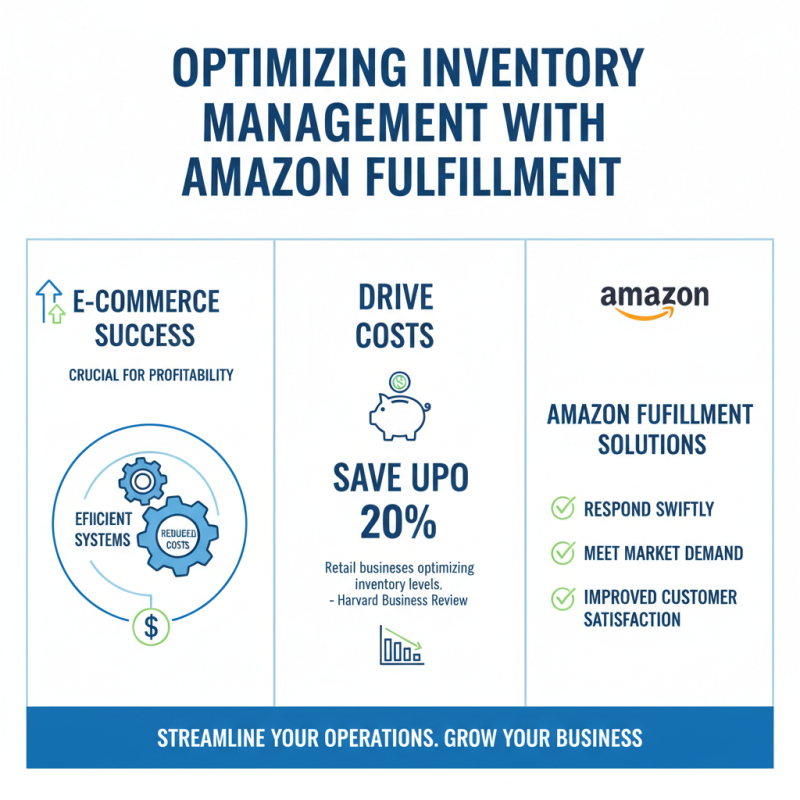
Optimizing Inventory Management with Amazon Fulfillment Solutions
Optimizing inventory management is crucial for e-commerce success. Efficient inventory systems can significantly impact your bottom line. According to a report by the Harvard Business Review, retail businesses that optimize their inventory levels can reduce costs by up to 20%. This optimization helps companies respond to market demands swiftly.
Implementing Amazon Fulfillment Solutions can streamline your inventory management. With Amazon's advanced technology, sellers can track inventory in real time. This capability minimizes stockouts and overstock situations. Data from a study by eMarketer shows that sellers using effective inventory management practices see a 15% increase in sales growth. However, relying solely on automated systems may lead to inaccuracies if not monitored closely.
Inconsistent inventory counts can cause frustration and lost sales. Setting up regular audits can enhance accuracy and reliability. Moreover, using inventory turnover ratios can help assess how well products move. Keeping these ratios in check can facilitate better decisions regarding stock levels. Even with sophisticated tools, retailers must continually refine their strategies for optimal performance.
Strategies for Using Amazon Shipping to Enhance Customer Experience
In e-commerce, customer experience plays a crucial role in driving sales and building loyalty. Research shows that 88% of consumers are less likely to return to a site after a bad experience. Leveraging logistics effectively can greatly enhance this experience. Affordable and fast shipping options create a positive impression. However, managing logistics can be a challenging endeavor for many businesses.
Amazon's shipping solutions provide various strategies to enhance customer satisfaction. Studies indicate that 66% of consumers consider shipping speed a key factor in their purchasing decisions. Utilizing services like same-day or next-day delivery can significantly reduce cart abandonment rates. Not every seller can achieve this level of efficiency. Operational complexities often hinder smaller retailers. Some businesses may struggle with inventory management, leading to delays and unmet customer expectations.
Coordination with advanced logistics systems can reduce these issues. Implementing automation can streamline order fulfillment and tracking. Yet, not every solution works seamlessly for every type of product. Businesses must continually assess their logistics strategy to find the best fit. Ultimately, creating a reliable shipping experience requires a blend of speed, transparency, and adaptability in operations.
Analyzing Costs and Returns of Using Amazon Logistics for Your Business
When analyzing the costs of using logistics services for e-commerce, multiple factors come into play.
Shipping fees can vary widely, depending on package size and destination.
Understanding the fee structure is crucial.
Hidden costs often arise from warehousing, handling, and additional service fees.
If these aren't calculated accurately, they can eat into profit margins.
Returns are another key area. A lenient return policy can enhance customer satisfaction but also increase return rates.
Each returned item incurs cost in shipping and restocking. Balancing a customer-friendly approach with
financial sustainability is challenging. It requires data analysis and market insight.
Incorporating logistics improperly can hinder growth.
Overestimating shipping speed may lead to customer dissatisfaction.
Underestimating inventory needs may result in stockouts.
Both situations require reevaluation and strategy adjustment.
Monitoring performance metrics regularly will aid in optimizing logistics decisions effectively.