The China-Europe Railway has emerged as a vital link for global sourcing in recent years. This extensive transportation network offers companies an efficient and reliable means to connect with suppliers across continents. By utilizing this modern trade route, businesses can streamline their supply chains and reduce shipping times significantly.
However, leveraging the China-Europe Railway is not without challenges. Companies must navigate logistical complexities and fluctuating tariffs. Understanding the railway's infrastructure is crucial for optimizing sourcing strategies. To harness its full potential, businesses should invest in technology that enhances visibility and tracking throughout the shipping process.
Moreover, businesses must remain aware of the evolving landscape of international trade regulations. Staying informed is essential to mitigate risks and maximize opportunities. With a strategic approach, the China-Europe Railway can serve as a cornerstone for businesses aspiring to thrive in a competitive global market.
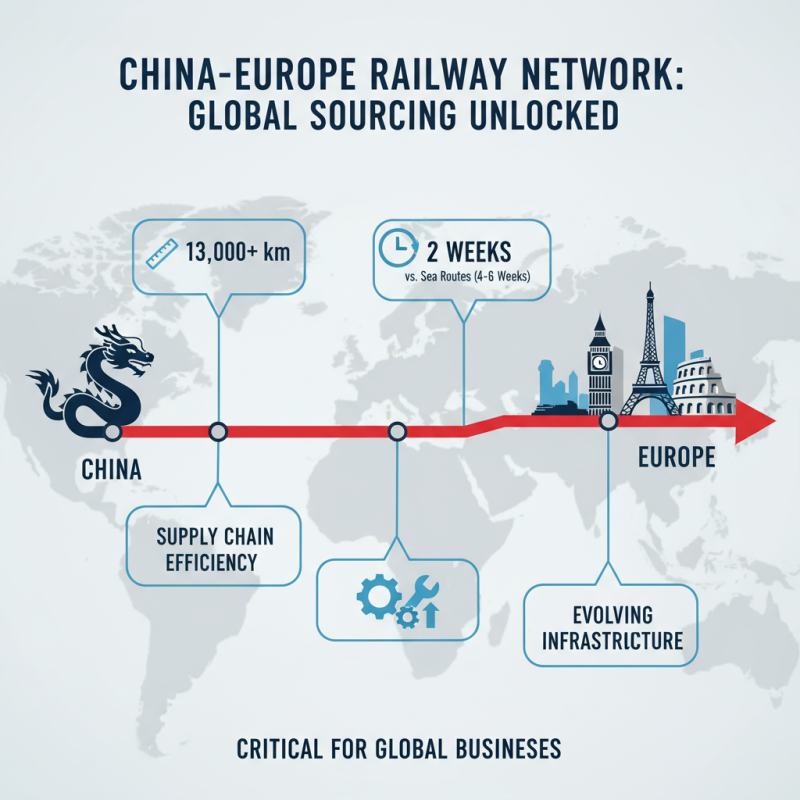
The China-Europe Railway Network has become a vital link for global sourcing. Stretching over 13,000 kilometers, it connects major cities in China with several hubs in Europe. This network drastically reduces shipping time compared to traditional sea routes. Goods now arrive in just over two weeks, enhancing supply chain efficiency. However, it’s not just about speed. The infrastructure is continually evolving, and understanding it is critical for businesses.
Freight transported via this railway often includes electronics, textiles, and machinery. The diverse cargo helps stabilize prices and expand sourcing options. However, challenges exist. Weather conditions and customs regulations can lead to delays. Businesses must be aware of these factors when planning logistics.
For many companies, leveraging this railway can lead to cost savings and increased reliability. Yet, carefully considering the drawbacks is essential. Organizations should conduct thorough risk assessments. They must also stay updated on geopolitical dynamics that could affect operations. The China-Europe Railway presents vast opportunities, but strategic planning is key to harnessing its full potential.

The China-Europe Railway has emerged as a pivotal mode of transport for global sourcing. This service connects major cities in China with European hubs, allowing for faster and more efficient shipments. With transit times of around 12 to 16 days, it significantly reduces the wait compared to maritime routes. Businesses can capitalize on this speed to respond quickly to market demands.
Utilizing the railway offers various advantages. It provides a cost-effective solution, especially for high-value goods. The reduced risk of damage during transit adds another layer of reliability. Shippers can also avoid congestion seen in seaports, ensuring smoother operations. However, challenges exist, such as customs delays and varying regulations across countries involved.
An aspect worth reflecting on is the environmental impact. While the railway is generally more sustainable than air freight, increased demand may lead to infrastructure strain. Companies must assess their supply chains carefully. Overall, the China-Europe Railway presents significant opportunities, but it requires thoughtful planning and strategy.
Leveraging the China-Europe Railway can enhance global sourcing strategies significantly. According to the China International Freight Survey, this railway network reduces transit time by up to 50% compared to traditional sea freight. Such efficiency enables businesses to respond to market demands swiftly.
Effective sourcing involves understanding the nuances of this railway system. For instance, while the transit time is shorter, the rail network faces capacity constraints. Reports indicate that only 30% of goods transported by rail are time-sensitive. Thus, balancing the type of goods with the right transport medium is crucial. Moreover, businesses must be aware of fluctuating tariffs and customs processes along the route, as these can impact total costs.
Adopting a flexible sourcing strategy is vital. Some companies have reported delays due to unforeseen circumstances, such as customs issues. To navigate these challenges, it is essential to build relationships with reliable logistics partners. Invest in a comprehensive risk management system to ensure resilience. This prepares companies for disruptions, allowing them to maintain sourcing efficiency through the China-Europe Railway.
| Source Country | Destination Country | Transit Time (Days) | Average Cost (USD) | Primary Goods Transported | Customs Clearance Efficiency |
|---|---|---|---|---|---|
| China | Germany | 12 | 1,800 | Electronics, Machinery | High |
| China | France | 14 | 1,900 | Fashion Items, Textiles | Medium |
| China | Poland | 10 | 1,700 | Automotive Parts | High |
| China | Italy | 16 | 2,000 | Furniture, Home Goods | Medium |
| China | Spain | 15 | 2,100 | Consumer Electronics | Low |
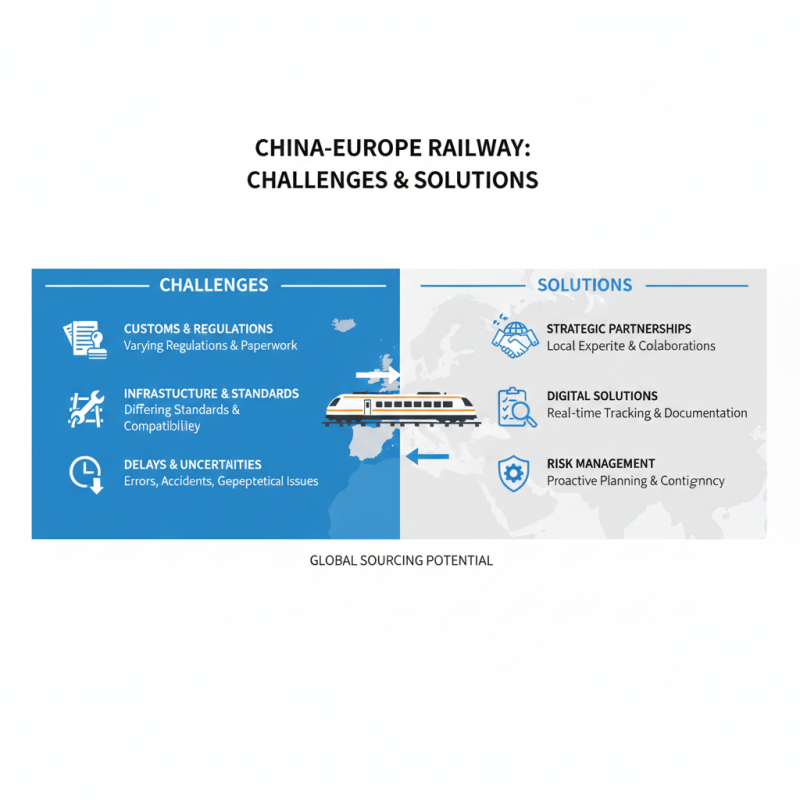
The China-Europe Railway offers immense potential for global sourcing, but it faces significant challenges. The journey cross-continental is not just about logistics. It involves navigating customs regulations, varying standards, and infrastructure differences. Delays can occur easily due to paperwork errors or unforeseen circumstances. Companies must remain vigilant and proactive in managing these risks.
Additionally, communication barriers can hinder collaboration. Not all parties are fluent in the same languages, leading to misunderstandings. Establishing clearer channels of communication is crucial. Local partners can help bridge these gaps, yet finding reliable ones can be tough. Companies may struggle with this as they prioritize cost over relationship building.
Investing in technology for tracking shipments is essential. Real-time updates can reduce anxiety for both suppliers and buyers. However, the initial investment can be daunting for smaller businesses. Exploring cost-effective solutions can ease this. While the China-Europe Railway provides an exciting avenue for growth, addressing these challenges with careful planning is vital for success.
The China-Europe Railway presents significant opportunities for global sourcing. As businesses look for efficient ways to manage supply chains, this railway system offers an alternative to traditional shipping methods. It connects various key markets, facilitating faster transit times.
One crucial aspect is understanding the logistics involved. Companies must consider freight costs, customs regulations, and transit planning. Clear communication with logistics partners is vital. Errors can lead to delays and additional expenses.
**Tips:** Always research potential routes. Consider the timing of shipments to align with demand cycles. Engage with local experts before finalizing deals.
Adapting to market trends is essential. The rise of e-commerce demands quicker delivery. The railway can help businesses scale their operations efficiently. However, challenges remain, such as ensuring product quality during transit. Regular audits of the supply chain are recommended to maintain standards.
**Tips:** Assess the reliability of your partners in the railway network. Monitor key performance indicators to evaluate success and areas for improvement.