How Will Logistics In China Shape Global Sourcing in 2026?
As we look toward 2026, the landscape of global sourcing is rapidly evolving, largely influenced by logistics in China. The nation dominates global logistics, accounting for 28% of total world trade volume, as highlighted by recent research from the World Bank. With increasing demand for efficient supply chains, China’s logistics industry must adapt.
Expert in the field, Dr. Xing Yu, emphasizes, "Efficient logistics in China will reshape how global sourcing operates." His insights reflect the need for businesses to leverage China's logistical advantages. He also notes the challenges faced, such as infrastructure strains and regulatory hurdles. As logistics in China develops, it can foster both opportunities and risks for international sourcing.
The implications for businesses are significant. The changes in shipping methods, warehousing solutions, and technologies like AI and blockchain will influence global supply chains. Industry reports forecast that e-commerce logistics in China will expand by 30% over the next three years. Companies must remain agile and prepared. Reflecting on these trends reveals a dual narrative of progress and the necessity for strategic adjustments in the face of evolving logistical frameworks.

The Current State of Logistics in China and Its Global Impact
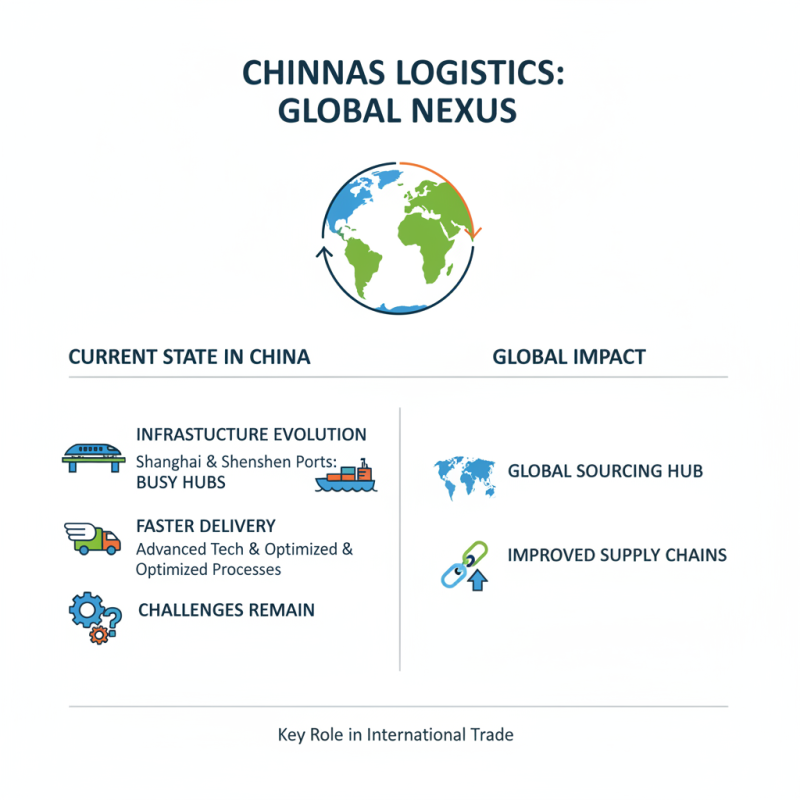
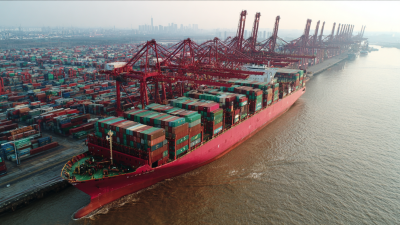
Logistics in China plays a pivotal role in global sourcing. The country's infrastructure has rapidly evolved, making it a hub for international trade. Ports in Shanghai and Shenzhen are bustling. Delivery times have improved significantly, thanks to advanced technology and optimized processes. Yet, challenges remain.
The dynamic nature of Chinese logistics often surprises many. Regulations change frequently. Companies must stay updated to avoid setbacks. This necessitates flexibility and adaptation in sourcing strategies. Understanding these fluctuations can lead to better decision-making.
Tips: Always research local regulations before sourcing. Build relationships with reliable logistics partners. This can mitigate risks.
Moreover, labor costs are rising in China. As companies weigh their options, they may look to diversify suppliers in other regions. This encourages a broader perspective on sourcing strategies. Adapting to shifts in logistics is crucial for staying competitive. Being aware of both opportunities and pitfalls will ensure sustainable growth in global markets.
Key Technologies Transforming China's Logistics Sector by 2026
The logistics sector in China is undergoing significant changes that will impact global sourcing by 2026. Emerging technologies are at the forefront of this transformation. Automation is becoming prevalent in warehouses, streamlining operations and reducing labor costs. Drones and autonomous vehicles are changing delivery systems, making them faster and more efficient. This shift is crucial as businesses seek to meet growing consumer demands.
Tips: Consider how these advancements may affect your sourcing strategy. Investing in technology can help you stay competitive. Evaluate the potential of automation in your supply chain.
Additionally, data analytics and IoT play vital roles. They provide real-time tracking of shipments and inventory. Businesses can use this information to optimize their logistics processes. However, the reliance on technology raises concerns about cybersecurity. Protecting sensitive data is essential for maintaining trust.
Tips: Regularly assess your cybersecurity measures. Ensure your systems are updated to guard against potential breaches. Balancing technology use with security is vital for success in the evolving landscape.
The Role of Infrastructure Development in Enhancing Logistics Efficiency
In recent years, China has made significant strides in enhancing its logistics infrastructure. The World Bank reports that China ranked 26th in its Logistics Performance Index in 2023, reflecting continuous improvements in efficiency. This development will play a key role in global sourcing by 2026. Infrastructure upgrades, such as expanded road networks and advanced port facilities, are crucial. These enhancements facilitate faster transit times and lower shipping costs. For example, a 2022 report indicated a 15% reduction in logistics costs due to improved connectivity.
Investors and businesses should consider the implications of this evolution. Efficient logistics will reshape supply chains, boosting trade routes across Asia and beyond. However, challenges persist, such as congestion in major hubs and inadequate rural connectivity. Reflecting on these issues is essential for companies navigating these changes. Remaining agile and adaptable will be crucial in leveraging new opportunities.
Tip: Embrace technology in logistics. Automation and data analytics can streamline operations. Stay informed about infrastructure updates. They can directly impact sourcing strategies. By doing so, businesses can optimize their supply chains and respond more effectively to market changes.
Challenges Facing China's Logistics Industry and Their Global Implications
China's logistics industry is at a critical junction as it faces several challenges that could reshape global sourcing by 2026. The country is grappling with rising transportation costs, which have increased by approximately 15% in the past year alone, according to industry reports. Delays in cargo processing at key ports have also worsened, with average wait times now exceeding 12 days, significantly impacting supply chain efficiency. These factors not only strain local businesses but also pose serious implications for international companies relying on Chinese manufacturing.
Moreover, the labor market is evolving. A shortage of skilled workers is becoming evident, with data suggesting a potential shortfall of over 1 million workers in logistics-related fields by 2026. This situation raises questions about the ability to meet future demands both in quality and service. Companies may need to rethink their sourcing strategies if these challenges persist. Emerging technologies like automation and AI adoption are crucial. Yet, the integration of such innovations is slow, creating a gap in expected service improvements versus reality.
Environmental regulations are tightening too. The government aims to reduce carbon emissions from logistics by 30% in the coming years. While the intent is commendable, implementing these regulations could lead to increased operational costs. Balancing cost efficiency and regulatory compliance will require strategic adjustments from businesses. Without addressing these challenges, China's logistics industry may struggle to maintain its pivotal role in global sourcing.
Logistics Challenges in China and Global Sourcing Projections for 2026
This chart illustrates the key challenges facing China's logistics industry as well as their potential impact on global sourcing strategies by 2026. The data represents projected percentages of each challenge's influence on logistics efficiency and sourcing decisions globally.
Future Trends in Chinese Logistics and Their Effects on Global Sourcing Strategies
The landscape of logistics in China is evolving rapidly. By 2026, advancements in technology and infrastructure will reshape global sourcing. Improved supply chain transparency will be a significant driver. Companies will increasingly rely on real-time data to make informed decisions. This shift will enhance efficiency and reduce lead times. However, challenges remain. Small players may struggle to keep pace.
Additionally, the emphasis on sustainability will affect sourcing strategies. As Chinese logistics adapt to greener practices, businesses will need to align their operations. They may face higher costs initially. Rivals could seize opportunities for eco-friendly solutions. Balancing cost-effectiveness with sustainability will require careful planning.
Investing in local warehousing options could also improve responsiveness. This trend may lead to a more fragmented global supply chain. Companies will need to assess trade-offs between scalability and local responsiveness. Partnerships with local logistics firms may be vital. Exploring new technologies like drones and automation will also be critical. These elements highlight the need for proactive adaptations in sourcing strategies.
How Will Logistics In China Shape Global Sourcing in 2026?
| Logistics Trend |
Impact on Global Sourcing |
Projected Growth Rate (%) |
Key Regions Affected |
| E-commerce Logistics Optimization |
Increased efficiency in last-mile delivery |
15% |
Global |
| Sustainability Practices |
Shift towards eco-friendly sourcing |
20% |
Asia-Pacific, Europe |
| Blockchain Integration |
Improved transparency in supply chains |
10% |
Global |
| Automation and Robotics |
Enhanced warehouse operations |
25% |
North America, Europe |
| Digital Supply Chain Management |
Better data analytics for sourcing decisions |
18% |
Global |