2025 How to Optimize China Amazon Logistics for Efficient Deliveries
In the rapidly evolving landscape of e-commerce, optimizing logistics is pivotal for ensuring efficient deliveries, particularly in a market as dynamic as China. According to Peter Wang, a seasoned expert in China Amazon Logistics, "The key to thriving in the competitive landscape of e-commerce lies in mastering logistics efficiency and adaptability." This statement underscores the critical importance of honed logistics strategies in facilitating timely and cost-effective deliveries that meet consumer expectations.
As China's online retail sector continues to expand, so too does the complexity of its logistics network. The integration of advanced technologies and data analytics has become indispensable for businesses aiming to enhance their operational efficiency. From warehousing to last-mile delivery, each facet of China Amazon Logistics must be meticulously optimized to navigate the unique challenges of this vibrant market. By adapting and refining logistics processes, companies can not only improve service levels but also foster long-term customer loyalty and satisfaction.
Ultimately, understanding and implementing effective strategies within the realm of China Amazon Logistics is crucial for businesses aspiring to excel in this competitive environment. The journey towards optimizing logistics for efficient deliveries is not merely an operational challenge; it is a strategic imperative that can drive growth and success in the bustling world of e-commerce.
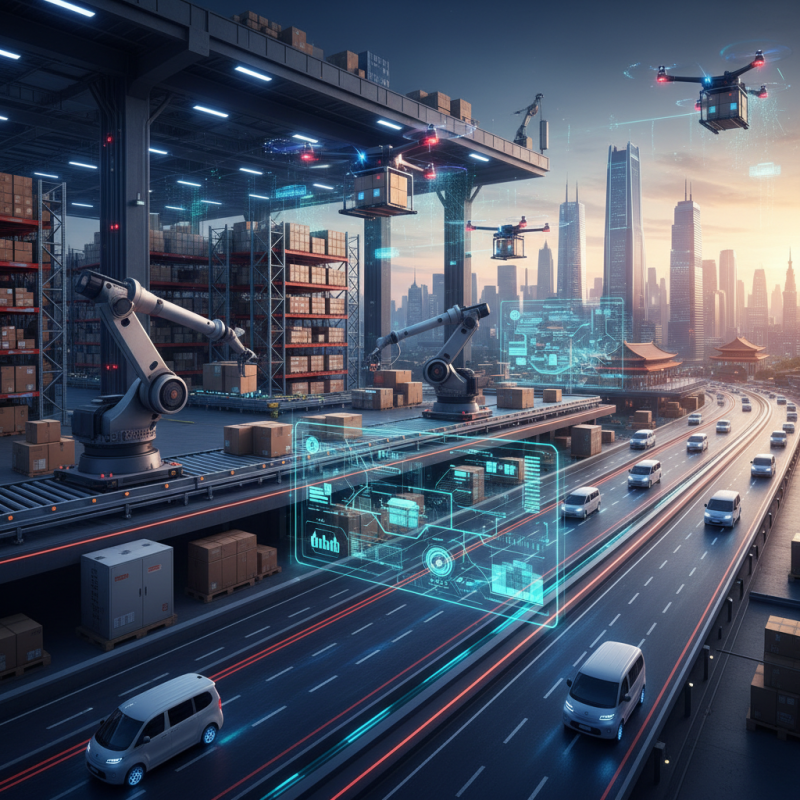
Understanding the Current Landscape of Amazon Logistics in China
The current landscape of Amazon logistics in China is characterized by rapid expansion and increasing complexity, driven by the booming e-commerce market. According to a report by the China E-commerce Research Center, the total online retail sales in China reached approximately 13 trillion yuan in 2022, reflecting a 15% year-on-year increase. This growth necessitates a robust logistics infrastructure that can handle the volume of packages flowing through the system. The logistics industry in China is estimated to grow at a CAGR of around 10% over the next five years, highlighting the urgent need for optimization strategies within Amazon's network to ensure the timely delivery of goods.
In particular, understanding the role of technological advancements is crucial for optimizing logistics. Innovations such as artificial intelligence and machine learning are increasingly being utilized to streamline warehouse operations and improve delivery routes. For instance, a recent study from the China Logistics and Purchasing Federation indicates that supply chain technologies could reduce operational costs by as much as 30%. Additionally, enhancing the last-mile delivery process remains a significant challenge; logistics firms are exploring automated delivery solutions and partnerships with local couriers to address urban congestion issues. By leveraging these technological solutions, Amazon can significantly enhance its logistics efficiency in China, ensuring that customer satisfaction remains high amidst growing demand.
2025 How to Optimize China Amazon Logistics for Efficient Deliveries - Understanding the Current Landscape of Amazon Logistics in China
| Logistics Partner |
Delivery Method |
Average Delivery Time |
Delivery Cost (Yuan) |
Coverage Area |
| Partner A |
Same-day delivery |
1 day |
30 |
Major cities |
| Partner B |
Express delivery |
2-3 days |
20 |
Nationwide |
| Partner C |
Standard delivery |
5-7 days |
10 |
Rural areas |
| Partner D |
Overnight delivery |
1 day |
50 |
Selected regions |
Identifying Key Challenges in China’s Logistics Network
China's logistics network faces several critical challenges that hinder the efficiency of Amazon deliveries. One of the key issues is the fragmentation of logistics services, which results in delays and increased costs. With a plethora of small and medium-sized logistics providers operating independently, coordination between these players becomes complicated. This lack of integration often leads to complications in route optimization and inventory management, further exacerbating delivery times and affecting customer satisfaction.
Another significant challenge is the bottlenecks in infrastructure, particularly in less developed regions. Although major cities may have advanced logistics technologies and facilities, rural and remote areas frequently experience inadequate transportation links and warehousing capabilities. This disparity not only slows down delivery times but also increases the risk of damage and loss during transit. To address these challenges, investment in infrastructure and technology is crucial, as is the establishment of strategic partnerships among logistics providers to create a more cohesive and efficient network capable of meeting the rising demands of e-commerce.
2025 Challenges in China Amazon Logistics
This bar chart illustrates the severity of key logistical challenges faced by Amazon in China by 2025, highlighting areas needing optimization for efficient deliveries.
Strategies for Streamlining Supply Chain Operations
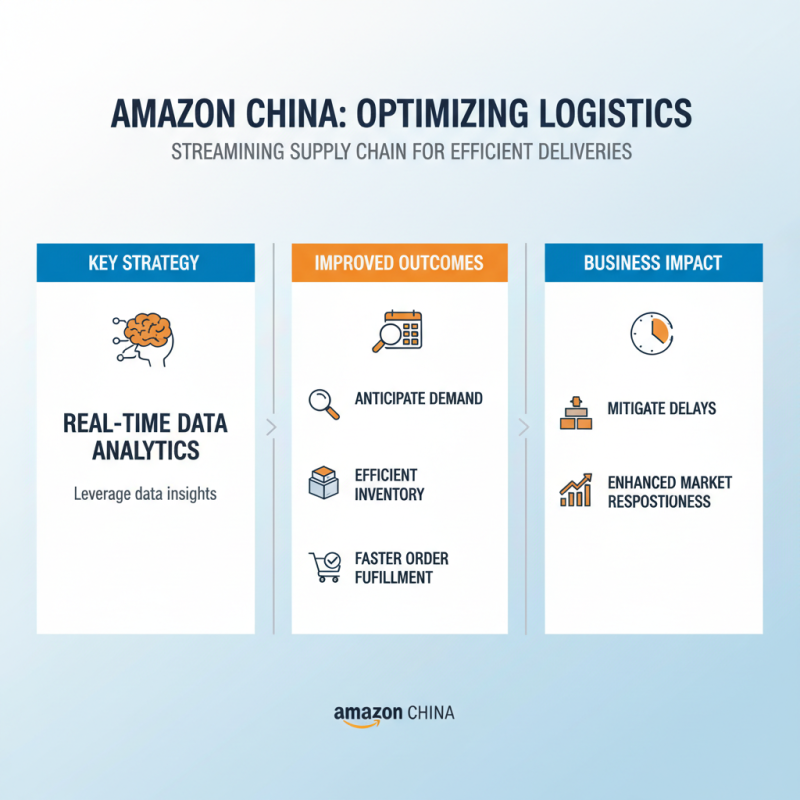
To optimize logistics for efficient deliveries in the context of China’s Amazon operations, a focus on streamlining supply chain operations is essential. One of the primary strategies involves the integration of real-time data analytics into logistics processes. By leveraging data insights, companies can anticipate demand fluctuations, manage inventory levels more effectively, and improve order fulfillment rates. This proactive approach helps mitigate delays and enhances overall responsiveness to market dynamics.
Collaborative partnerships with local carriers and logistics providers can further contribute to a more streamlined supply chain. Establishing strong relationships facilitates shared resources and information, allowing for more efficient routing and faster delivery times. Moreover, investing in automated warehousing technologies can reduce handling times and minimize errors in order processing. This synergy between technology and partnerships ultimately leads to a smoother logistics operation, ensuring that customers receive their orders promptly and reliably.
Leveraging Technology to Enhance Delivery Efficiency
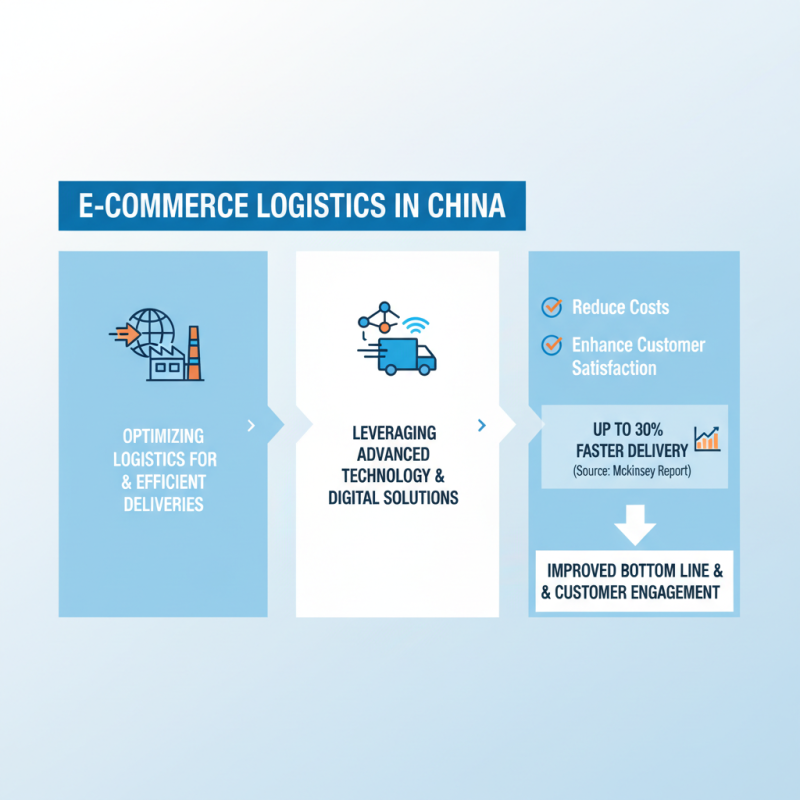
In the rapidly evolving landscape of e-commerce, optimizing logistics for efficient deliveries in China is paramount. By leveraging advanced technology, businesses can streamline their logistics operations, reduce costs, and enhance customer satisfaction. According to a recent report by McKinsey, companies that integrate digital solutions into their supply chain can reduce delivery times by up to 30%, directly impacting their bottom line and improving customer engagement.
One effective approach is the implementation of real-time tracking systems. These systems allow both businesses and consumers to monitor the status of their orders at every stage, significantly increasing transparency and trust. Additionally, utilizing data analytics can help companies predict demand patterns, thus enabling them to adjust inventory and logistics accordingly. A study by Gartner suggests that firms that use predictive analytics can achieve a 15% reduction in logistics costs, providing a competitive edge in the market.
**Tip:** Invest in robust data management and analytics tools. They can transform the way you understand customer preferences and optimize fulfillment strategies.
Furthermore, adopting automation in warehousing and sorting processes can enhance efficiency. Robots and automated guided vehicles (AGVs) not only speed up operations but also minimize human error. According to a Honeywell report, automated systems can improve warehouse efficiency by as much as 40%, making it easier for companies to meet increasing consumer demands without sacrificing service quality.
**Tip:** Consider pilot programs for automation technologies in select warehouses to measure performance before a full-scale rollout.
Best Practices for Last-Mile Delivery in Urban Areas
Last-mile delivery is a critical component in the logistics landscape, especially in urban areas where congestion and high population density pose unique challenges. According to recent industry reports, last-mile delivery accounts for nearly 28% of the total shipping costs, underscoring its significance in the overall logistics efficiency. Adopting best practices to streamline this final leg of delivery can greatly improve customer satisfaction and reduce operational costs.
One effective strategy is implementing route optimization technologies. These tools utilize real-time data analytics to determine the most efficient delivery routes, minimizing both travel time and fuel consumption. A study by the Journal of Transport and Supply Chain Management indicated that companies using route optimization can achieve up to a 15% reduction in delivery time. Additionally, utilizing local distribution centers strategically placed throughout urban areas can further expedite deliveries by reducing the distance traveled.
Tips:
1. Invest in training delivery personnel on efficient loading techniques to maximize space utilization in delivery vehicles, which can lead to fewer trips and reduced delivery times.
2. Leverage customer feedback through app-based tracking systems. This not only enhances transparency but also allows logistics providers to adapt their services based on real-time consumer needs and preferences, ensuring a more responsive delivery system.
By incorporating these practices, logistics providers in China can enhance their last-mile delivery operations, significantly impacting their overall logistics efficiency and customer experience.