How to Optimize Your Sea Logistics for Efficient Shipping?
In the world of global trade, optimizing Sea Logistics is crucial for businesses. Efficient shipping can lead to significant cost savings and faster delivery times. However, many companies struggle to find the right balance between speed and cost. The complexities of maritime transport often lead to overlooked opportunities and inefficiencies.
To streamline operations, businesses need to analyze their logistics strategies regularly. This evaluation can reveal bottlenecks or delays that hinder performance. It is also essential to choose reliable shipping partners. Poor communication can lead to confusion and additional charges.
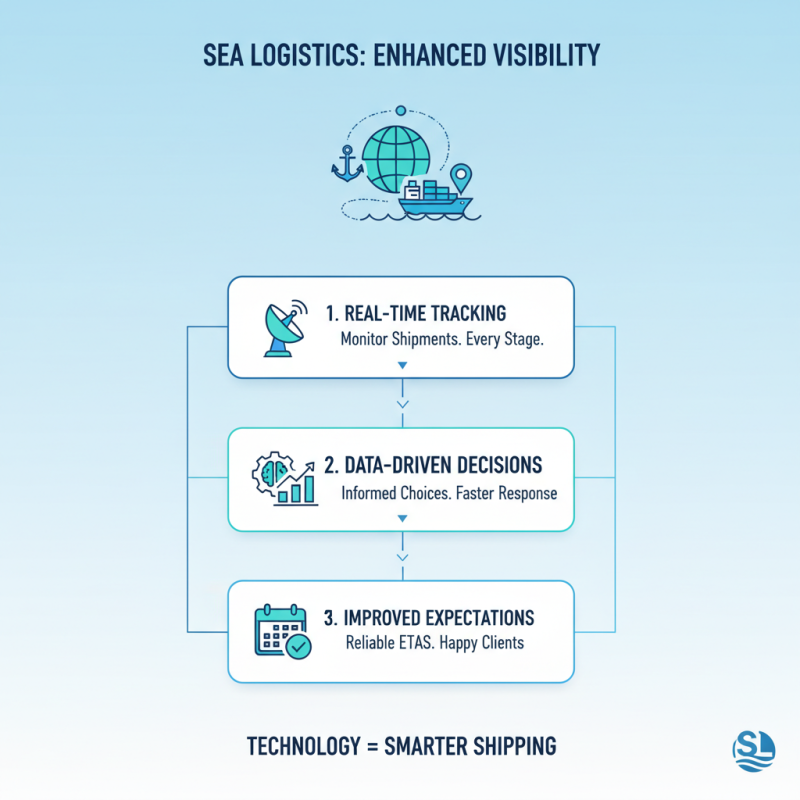
Investing in technology can greatly enhance logistics management. Tracking tools, for instance, offer real-time updates on ship status. Yet, not all companies fully utilize these advancements. There is still much room for improvement. Addressing these gaps can foster a more effective Sea Logistics approach.

Understanding the Basics of Sea Logistics for Efficient Shipping
Understanding the basics of sea logistics is crucial for efficient shipping. Sea logistics involves various steps, such as cargo handling, documentation, and transportation management. According to industry reports, about 90% of global trade relies on sea transport, underscoring its significance. However, many businesses still struggle with inefficiencies in their sea logistics processes.
One common issue is inadequate data management. Companies may lack real-time tracking systems, leading to delays. A report from the International Maritime Organization indicates that inefficient cargo handling can increase transit times by up to 20%. This disrupts the supply chain and increases costs. It’s essential to invest in technologies that facilitate better visibility and control.
Moreover, port congestion is another critical aspect. High traffic at ports can slow down the entire logistics process. Research indicates that delays at major ports can cost businesses millions annually. Companies must analyze their port choices carefully. Engaging in proactive planning can help mitigate these challenges. Efficient sea logistics is about recognizing these basic yet impactful elements.
Key Factors Influencing Sea Shipping Efficiency and Costs
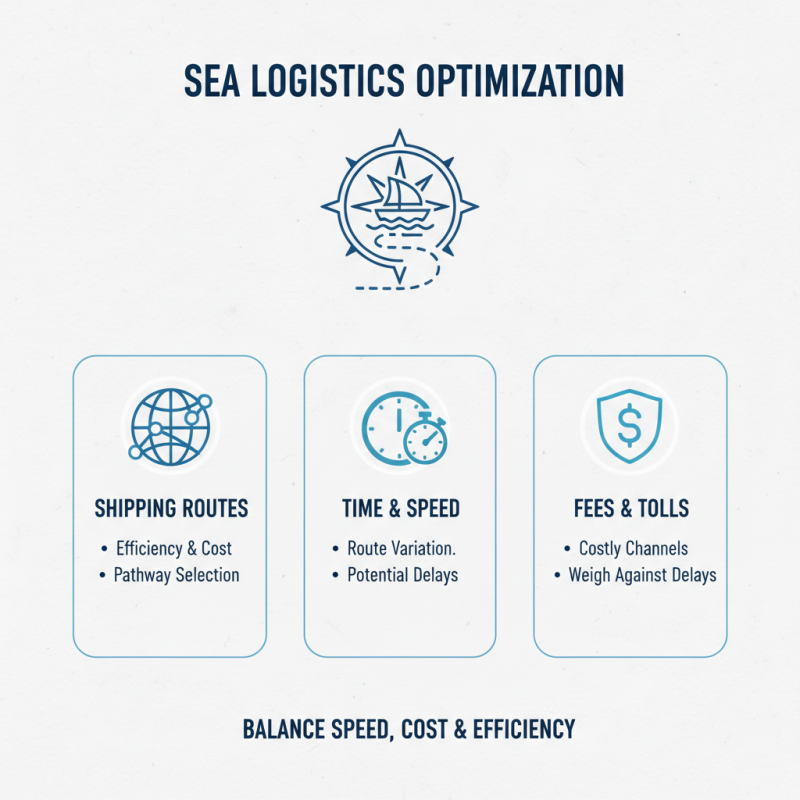
In optimizing sea logistics, several key factors come into play. The choice of shipping routes significantly impacts both efficiency and costs. Time taken can vary greatly depending on the selected pathway. Some routes may seem faster but incur hefty tolls and fees. It's essential to weigh these against potential delays.
Port operations are another crucial aspect. Delays caused by port congestion can be frustrating. Efficient loading and unloading processes can save valuable time. Investing in better equipment and staff training can improve these operations. However, not all ports are equally equipped for these changes. It's a continuous challenge.
Lastly, monitoring fuel consumption is vital. Fuel efficiency directly affects shipping costs. Regularly assessing fuel usage can lead to necessary adjustments. While adopting greener technologies is beneficial, they often require upfront investment. Therefore, finding the right balance can be difficult yet essential for effective shipping.
Strategies for Optimizing Container Management in Sea Logistics
Efficient container management is crucial for optimizing sea logistics. Statistics show that ineffective container management can lead to increased operational costs. According to a recent report, over 30% of shipping delays are caused by inadequate capacity planning. This highlights the need for precise container tracking.
Utilizing advanced technology can significantly enhance container visibility. Implementing IoT sensors and GPS tracking improves data accuracy. Companies that adopt these technologies report a 20% reduction in lost containers. However, many logistics providers still face challenges in integration and adaptation. Regular training is essential to ensure teams can leverage new tools effectively.
Moreover, aligning container shipment schedules with demand is vital for efficiency. The logistics industry sees an annual waste of millions due to containers sitting idle. A data-driven approach can optimize shipping routes and reduce this waste. However, some businesses struggle to analyze data effectively. Continuous reflection and adjustment of strategies are necessary for sustained improvement.
Optimizing Sea Logistics: Container Management Efficiency
Best Practices for Coordinating with Shipping Partners and Carriers
Efficient sea logistics rely heavily on effective coordination with shipping partners and carriers. According to a 2022 industry report, companies with standard operating procedures for communication improved their shipping efficiency by 25%. Establishing clear channels is crucial. Regular updates on shipment status can prevent delays and miscommunication. Many shippers still face difficulties in tracking containers, leading to wasted time and resources.
Building strong relationships with carriers can enhance reliability. A 2023 survey highlighted that businesses with long-term partnerships experienced fewer disruptions. However, not all companies take the time to nurture these bonds. Many focus only on price, overlooking quality of service. Inconsistent performance from carriers can result in increased costs. Frequent evaluations of carrier performance can help address these issues.
Effective technology utilization streamlines operations. Digital platforms allow for real-time data sharing between shippers and carriers. Despite this, some companies still rely on outdated methods. They face challenges in adapting to new tech. Understanding the potential of technology can significantly enhance communication and efficiency in logistics. Implementing instant messaging tools or tracking apps can shorten response times. Closure of gaps in information flow is vital for improving overall performance.
How to Optimize Your Sea Logistics for Efficient Shipping?
| Shipping Partner/Carrier |
Average Transit Time (Days) |
Container Type |
Cost (USD) |
Service Level Agreement (SLA) |
| Carrier A |
20 |
20' Standard |
2500 |
95% |
| Carrier B |
25 |
40' High Cube |
3200 |
90% |
| Carrier C |
30 |
20' Reefer |
2800 |
85% |
| Carrier D |
22 |
40' Standard |
3000 |
92% |
| Carrier E |
28 |
40' Flat Rack |
3500 |
88% |