Top 10 Tips for Optimizing Your China Logistics Strategy in 2023
In the rapidly evolving landscape of global trade, optimizing your China logistics strategy in 2023 has become more critical than ever. With China's role as a pivotal hub in the international supply chain, businesses must adapt to increasing challenges and changing consumer demands. As veteran supply chain expert Dr. Li Wang aptly puts it, "Success in China logistics requires not just efficiency, but the ability to anticipate and respond to market shifts." This foresight is essential for navigating the complexities of logistics in one of the world's largest economies.
As we delve into the top ten tips for enhancing your logistics approach in China, it is important to consider the unique dynamics of the market. From leveraging technology to streamline operations to understanding the nuances of local regulations, each aspect plays a vital role in ensuring seamless international shipping and distribution. The insights gathered from industry experts will shed light on practical strategies that can empower businesses to thrive in the competitive realm of China logistics, ultimately leading to enhanced customer satisfaction and improved operational efficiency.
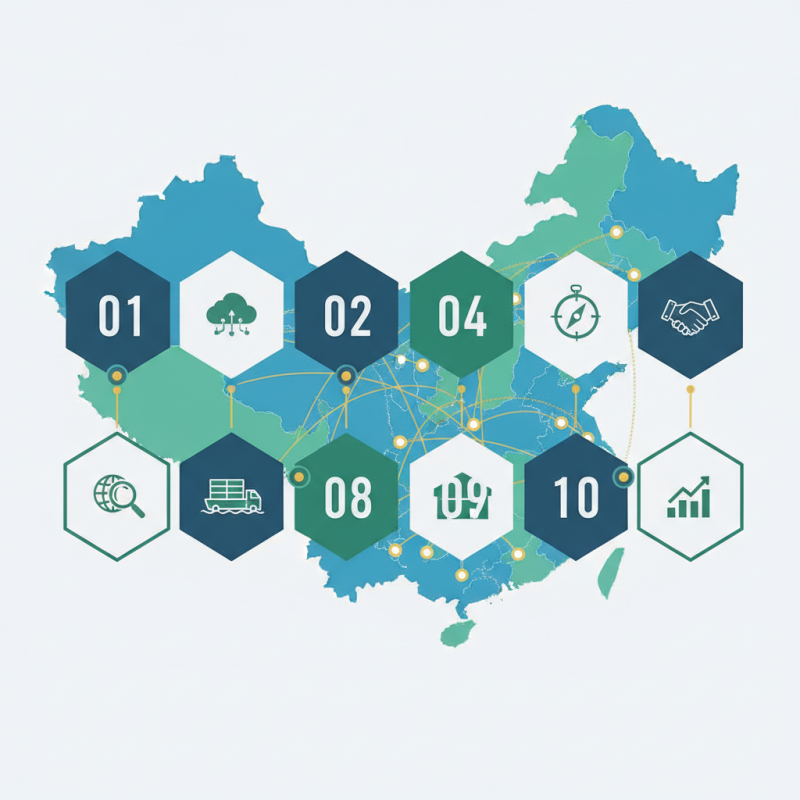
Understanding the Current Landscape of China Logistics in 2023
In 2023, the logistics landscape in China is shaped by several critical trends and challenges. With its GDP projected to grow by 5% this year, the demand for efficient logistics services continues to surge. According to the China Federation of Logistics & Purchasing, the logistics industry in China is expected to reach approximately 20 trillion yuan, driven by e-commerce expansion and increasing domestic consumption. As companies grapple with tighter delivery schedules and heightened consumer expectations, the importance of a robust logistics strategy becomes more paramount than ever.
Additionally, the ongoing technological advancements play a pivotal role in optimizing logistics in China. The adoption of artificial intelligence and big data analytics in logistics operations has shown promising results, with studies indicating that companies leveraging these technologies can enhance operational efficiency by nearly 25%. Furthermore, the integration of automated warehousing solutions has surged, reflecting a broader trend towards digital transformation within the sector. Companies that prioritize investing in such technologies are likely to secure a competitive edge and streamline their supply chain processes effectively, ensuring they remain responsive to market demands.
Top 10 Tips for Optimizing Your China Logistics Strategy in 2023
| Tip Number |
Optimization Tip |
Expected Impact |
Implementation Difficulty |
Timeframe for Results |
| 1 |
Leverage Technology and Automation |
Increased Efficiency |
Medium |
Short-term |
| 2 |
Establish Strong Local Partnerships |
Better Market Insights |
High |
Medium-term |
| 3 |
Optimize Inventory Management |
Cost Reduction |
Medium |
Short-term |
| 4 |
Focus on Sustainability |
Enhanced Brand Reputation |
High |
Long-term |
| 5 |
Use Real-Time Data Analytics |
Improved Decision Making |
Medium |
Immediate |
| 6 |
Enhance Compliance Knowledge |
Reduced Risks |
High |
Medium-term |
| 7 |
Implement Cross-Border Solutions |
Expanded Market Access |
High |
Long-term |
| 8 |
Diversify Logistics Providers |
Increased Flexibility |
Medium |
Short-term |
| 9 |
Train Your Logistics Team |
Improved Performance |
Medium |
Medium-term |
| 10 |
Invest in Modern Infrastructure |
Long-term Savings |
High |
Long-term |
Identifying Key Challenges in China’s Logistics Sector
In 2023, China's logistics sector faces several key challenges that influence the overall efficiency and effectiveness of supply chains. The increasing complexity of global supply chains, compounded by geopolitical tensions and fluctuating economic conditions, has highlighted the need for adaptability and resilience. According to a report by the China Federation of Logistics & Purchasing, logistics costs as a percentage of GDP in China were approximately 14.3% in 2022, indicating a persistent challenge to reduce overheads while improving service levels.
Additionally, labor shortages and rising operational costs are significant hurdles for logistics companies operating in China. The World Bank's logistics performance index shows that while infrastructure quality has improved, the workforce's capability to meet the rising demand still lags behind. Data suggests that logistics companies will need to invest an estimated $204 billion in technology and training by 2025 to enhance workforce productivity and embrace automation. As a result, pinpointing these challenges and developing targeted strategies will be essential for businesses aiming to optimize their logistics operations in the fast-evolving Chinese market.
Implementing Technology Solutions to Enhance Efficiency
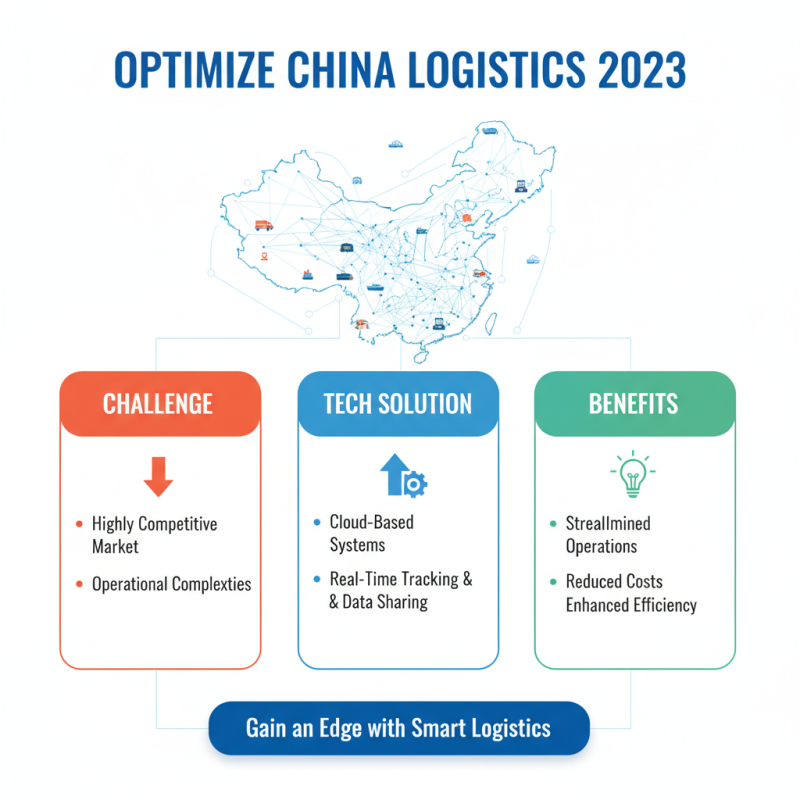
In 2023, optimizing your logistics strategy in China is crucial for maintaining an edge in a highly competitive market. Implementing technology solutions can significantly streamline operations, reduce costs, and enhance overall efficiency. One effective approach is to adopt cloud-based logistics management systems that allow for real-time tracking and data sharing between suppliers, carriers, and customers. This transparency empowers businesses to make informed decisions quickly, minimizing delays and ensuring smooth operations.
Another key tip is to integrate automation into warehousing and distribution processes. Utilizing robotics and automated picking systems can dramatically improve speed and accuracy, minimizing human error and optimizing labor costs. Additionally, artificial intelligence can analyze vast amounts of data to forecast demand trends, allowing companies to adjust their inventory levels and reduce excess stock.
Finally, investing in data analytics tools can provide insights into your logistics performance, highlighting areas for improvement. By leveraging these technologies, businesses can enhance their operational efficiency, leading to a more agile and responsive logistics strategy that meets the demands of the Chinese market.
Developing Relationships with Reliable Logistics Partners
Developing strong relationships with reliable logistics partners is crucial for optimizing your logistics strategy in China. According to a report by McKinsey & Company, effective partnerships can reduce supply chain costs by up to 20%, enabling companies to allocate resources more efficiently and improve overall operational flexibility. This is particularly significant in the rapidly evolving Chinese market, where companies face both challenges and opportunities related to regional logistics and distribution dynamics.
Furthermore, fostering trust with logistics providers can lead to enhanced service reliability and innovation. As highlighted in a survey conducted by the Council of Supply Chain Management Professionals (CSCMP), companies that engage closely with their logistics partners tend to experience 10-15% improvements in delivery performance. These enhancements not only boost customer satisfaction but also aid in navigating the complexities of China's logistics landscape, including regulatory changes and fluctuating demand. As businesses strive to adapt to these challenges in 2023, prioritizing reliable partnerships will be instrumental in securing a competitive edge in the market.
Monitoring and Adapting to Regulatory Changes in China
In 2023, navigating the complexities of China's regulatory landscape is crucial for optimizing logistics strategies. As the Chinese government continues to implement changes in regulations, companies must stay vigilant and adaptable to ensure compliance and maintain operational efficiency. According to a recent report by the International Logistics Alliance, 65% of firms indicated that regulatory compliance directly influences their logistical performance, affecting not only costs but also delivery timelines.
To effectively monitor and adapt to these changes, businesses should establish a dedicated regulatory compliance team. This team can focus on tracking new policies and identifying potential impacts on supply chains. Regular training sessions can ensure that all staff members are aware of the latest regulations, while technology tools can assist in real-time monitoring of compliance status.
Another critical aspect is leveraging data analytics to anticipate and respond to regulatory shifts. By analyzing trends in regulatory changes, companies can better forecast potential disruptions and adapt their logistics strategies accordingly. A detailed risk assessment process should be integrated into logistics planning, covering everything from tariff fluctuations to changes in import/export regulations. Being proactive rather than reactive will empower companies to maintain their competitive edge in a constantly evolving market.
Top 10 Tips for Optimizing Your China Logistics Strategy in 2023
This chart displays the importance of monitoring and adapting to regulatory changes in China logistics over different performance metrics: