Why Sea Logistics is Crucial for Global Trade and Supply Chain Efficiency?
In the dynamic landscape of global trade, the importance of Sea Logistics cannot be overstated. As the backbone of supply chain efficiency, it facilitates the movement of goods across vast oceans, connecting producers and consumers in every corner of the world. Renowned logistics expert Dr. Sarah Thompson highlights this significance in her assertion, "Sea Logistics is not merely a mode of transport—it's the lifeblood of global trade that fuels economies and enables growth."
As businesses increasingly rely on international sourcing and distribution, the role of Sea Logistics becomes even more critical. It offers a cost-effective solution for transporting large volumes of freight, thus directly impacting the competitiveness of industries on a global scale. The intricate web of maritime transportation, port operations, and logistics management forms an essential framework that supports businesses in navigating the complex demands of international markets.
Moreover, with the rising challenges posed by global disruptions, such as pandemics and geopolitical tensions, the resilience of Sea Logistics is more essential than ever. It not only ensures the timely delivery of goods but also enhances supply chain visibility and adaptability. Understanding its vital role allows stakeholders to better grasp the complexities of global supply chains and the mechanisms that drive efficiency.
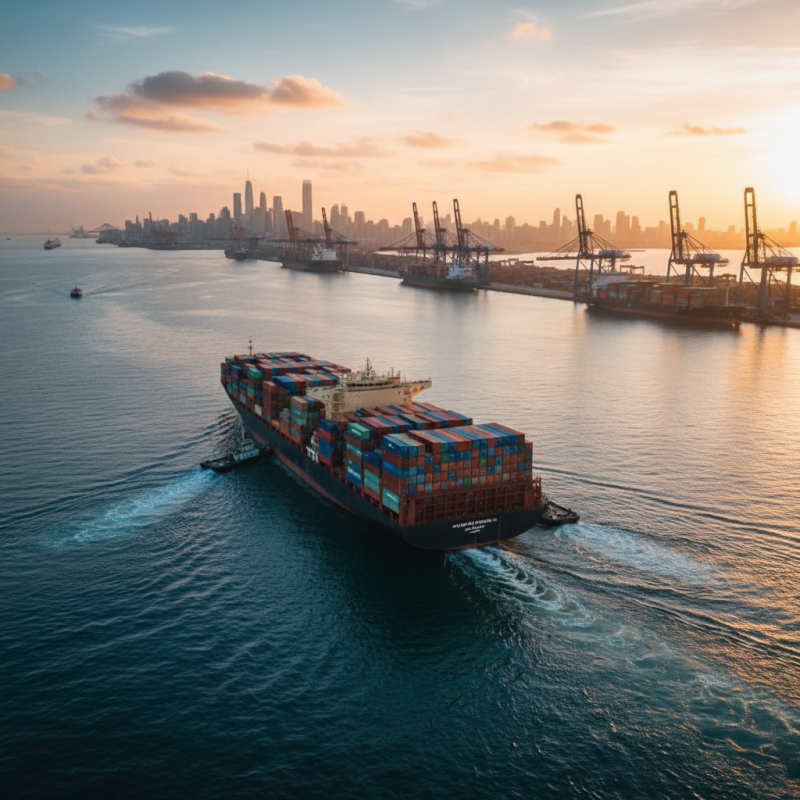
The Role of Sea Logistics in Facilitating International Trade
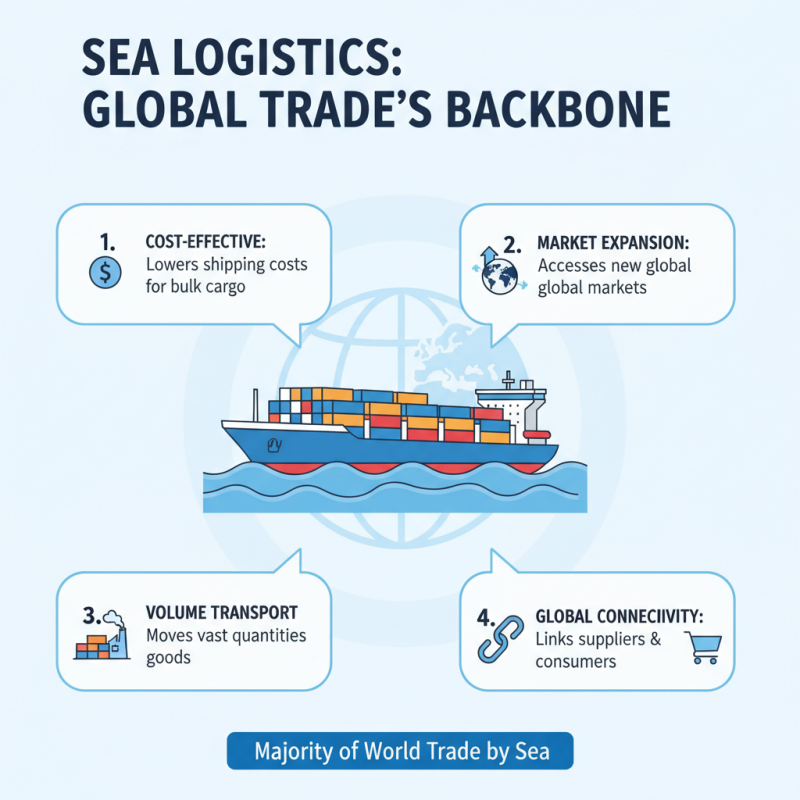
Sea logistics plays a pivotal role in the landscape of international trade, serving as the backbone for the movement of goods across continents. By facilitating the transportation of large volumes of cargo at relatively lower costs, sea logistics enables businesses to expand their reach, tap into new markets, and maintain competitive pricing. With the majority of global trade by volume being carried out by sea, this mode of transport not only supports economic growth but also fosters seamless connections between suppliers and consumers worldwide.
When engaging in sea logistics, businesses should consider several best practices to enhance efficiency. First, planning and scheduling shipments well in advance can help mitigate delays caused by port congestion or adverse weather conditions. Second, investing in technology—like tracking systems—can provide real-time updates on cargo status, improving transparency and facilitating better decision-making throughout the supply chain. Additionally, exploring various shipping routes can lead to cost savings and faster delivery times, allowing businesses to remain agile in a competitive market.
Moreover, fostering relationships with experienced logistics providers who understand the nuances of international regulations can significantly streamline the shipping process. Such partnerships can ensure compliance and reduce the risk of costly errors, making the entire chain from manufacturer to consumer more efficient. By prioritizing these strategies, businesses can leverage sea logistics to not only meet demand but also drive future growth in a complex global marketplace.
Key Benefits of Sea Logistics for Supply Chain Efficiency
Sea logistics plays a pivotal role in enhancing supply chain efficiency due to its ability to handle large volumes of goods over considerable distances at a relatively lower cost. This mode of transportation is particularly beneficial for bulk commodities, enabling businesses to take advantage of economies of scale. By consolidating shipments, companies can reduce per-unit shipping costs, making sea freight a financially viable option for both importers and exporters. Furthermore, the capacity of maritime vessels to carry heavy and oversized cargo ensures that businesses can transport various goods without the limitations faced by other shipping methods.
In addition to cost efficiency, sea logistics contributes to sustainability in global trade. With lower carbon emissions per ton of cargo transported compared to air freight, sea shipping supports companies in meeting environmental goals. This shift toward greener logistics helps reduce the overall carbon footprint of the supply chain. Additionally, the strategic network of sea routes allows businesses to optimize their logistics operations, providing flexibility and reliability in delivery schedules. As global trade continues to evolve, the integration of sea logistics will remain a cornerstone for companies aiming to streamline their supply chains while adapting to market demands.
Challenges Facing Sea Logistics in Global Trade
The sea logistics sector, while integral to global trade and the supply chain, faces several significant challenges that can impact its efficiency. One pressing issue is the congestion at major ports, which often leads to delays in cargo handling and processing. As global demand for goods surges, many ports struggle with the influx of container ships, resulting in extended wait times and increased shipping costs. This bottleneck not only affects the timely delivery of goods but also disrupts the entire supply chain, causing ripple effects throughout various industries.
Additionally, the unpredictability of weather patterns poses a challenge to sea logistics. Adverse weather conditions can lead to route changes, delays, and even damage to cargo, all of which contribute to increased operational costs. Moreover, environmental regulations are tightening, requiring shipping companies to invest in more sustainable practices. While these regulations aim to mitigate environmental impact, they can also necessitate substantial investments in new technologies and fleet upgrades. Balancing compliance with cost-effectiveness remains a critical challenge for businesses in the sea logistics arena as they strive to meet both regulatory demands and customer expectations.
Challenges Facing Sea Logistics in Global Trade
Innovations in Sea Logistics and Their Impact on Trade
Innovations in sea logistics are transforming the landscape of global trade and supply chain efficiency, playing a pivotal role in meeting the challenges posed by rising consumer demands and the complexities of international transport. According to a report by the International Maritime Organization, over 80% of the world’s goods by volume are transported by sea, underscoring the indispensable role of maritime logistics in global commerce. These innovations encompass advancements such as digitized tracking systems, automated ports, and environmentally sustainable practices, all of which contribute to enhanced operational efficiency and reduced costs.
One significant development in sea logistics is the implementation of blockchain technology, which ensures transparency and security in shipping transactions. A study from the World Economic Forum highlights that utilizing blockchain could streamline processes and reduce the cost of global trade by nearly 20%. Moreover, the adoption of IoT devices enables real-time cargo tracking, providing businesses with immediate access to shipment data and predictive analytics, ultimately leading to better decision-making and reduced delays.
Tips: To stay ahead in the rapidly evolving sea logistics sector, businesses should consider investing in
digital solutions that enhance visibility throughout the supply chain. Embracing these technologies not only
optimizes costs but also significantly improves customer satisfaction by ensuring timely and reliable deliveries. Furthermore, cultivating partnerships with innovators in shipping technology can provide access to cutting-edge solutions that enhance operational efficiency and sustainability.
The Future of Sea Logistics: Trends and Predictions for Global Trade
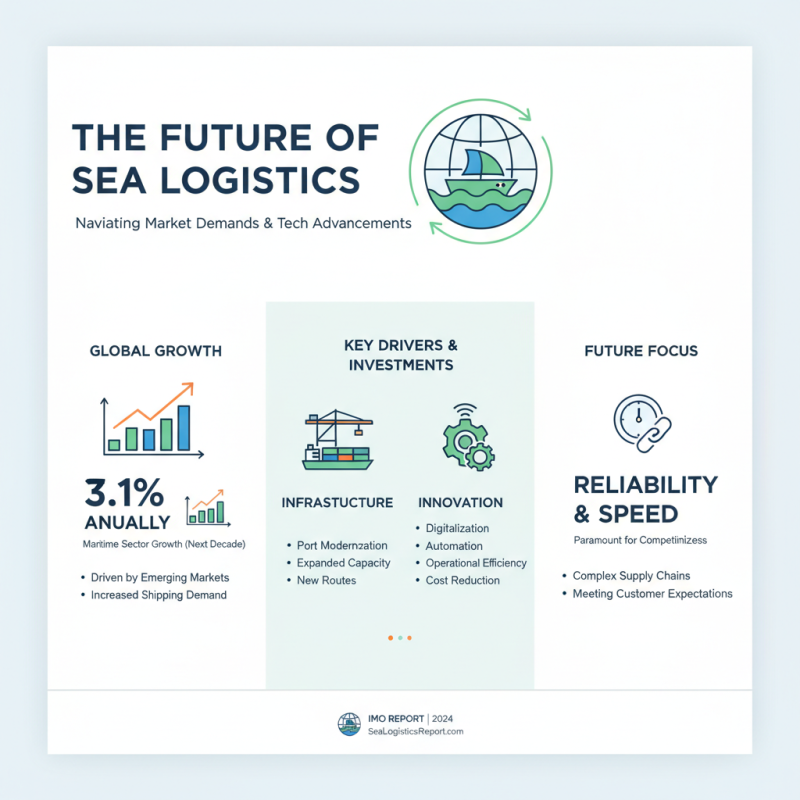
The future of sea logistics is poised for transformative changes as global trade navigates evolving market demands and technological advancements. According to a recent report by the International Maritime Organization (IMO), the maritime sector is projected to grow by 3.1% annually over the next decade, driven by increased demand for shipping services in emerging markets. This growth will necessitate robust investments in infrastructure and the adoption of innovative solutions, such as digitalization and automation, to enhance operational efficiency and reduce costs. As supply chains become more complex, the reliability and speed of sea logistics will be paramount in meeting customer expectations and maintaining competitiveness.
Furthermore, sustainability is set to become a decisive factor in shaping the future of sea logistics. A study by McKinsey & Company highlights that nearly 80% of shipping companies are expected to invest in sustainable practices by 2030, including the transition to low-emission fuels and the implementation of energy-efficient technologies. This shift not only addresses regulatory pressures but also aligns with consumer demand for greener products. As the sector advances toward a more sustainable future, the integration of artificial intelligence and blockchain technology will further streamline operations, enhance transparency, and facilitate more responsive supply chains. These trends forecast a dynamic evolution in sea logistics, positioning it as a cornerstone of global trade efficiency.