Top 10 Tips for Successful International Shipping Strategies?
International shipping can be a complex and challenging process. Businesses must navigate various regulations and logistics to succeed. This guide will highlight essential strategies for effective international shipping.
When planning your shipping, consider multiple factors. Timing, costs, and customs are key elements. Each shipment presents unique challenges. You must be prepared to adapt and respond to unexpected issues. Developing a flexible approach can lead to better outcomes.
Maintaining open communication with partners is crucial. Misunderstandings can lead to delays. Building strong relationships enhances your shipping process. Reflect on past shipments to identify areas for improvement. An ongoing evaluation of your strategies ensures growth and efficiency in international shipping.
Understanding International Shipping Regulations and Compliance
Navigating international shipping regulations can be quite challenging. Compliance with customs laws varies by country. Misunderstanding these rules can lead to costly delays. According to a report by the World Bank, an estimated 70% of international shipments face regulatory scrutiny. Attention to detail is critical.
Proper documentation is essential. Incorrect forms may cause customs to hold shipments longer than expected. A study showed that 43% of shipments were delayed due to improper paperwork. It’s vital for businesses to invest time in understanding these requirements. Regular training for staff on compliance updates can minimize errors.
Every country has its own import regulations. Failing to adapt can result in fines or shipment returns. Many global businesses struggle with this aspect. Over 50% of them reported difficulties in keeping up with changes in international trade policies. Reflecting on these challenges can lead to improved strategies in managing compliance and avoiding unnecessary setbacks.
Selecting the Right Shipping Partners for Global Reach
Selecting the right shipping partners is crucial for global reach. A reliable partner can streamline your shipping process. Look for carriers that offer transparent tracking and flexible service options. You want to ensure they have experience in your target regions. Research their reputation through reviews and case studies.
Consider communication practices. A partner that maintains clear communication can save you from many headaches. Language barriers can lead to costly mistakes. Make sure your contact points are responsive. It’s also wise to discuss contingency plans for delays.
Don’t forget about costs. The cheapest option isn’t always the best. Sometimes, lower rates mean slower service or hidden fees. Evaluate multiple quotes. Test partnerships with smaller shipments before scaling up. Be prepared to reassess if expectations aren’t met. It’s essential to find the right fit, but that can take time and effort.
Optimizing Packaging for Safety and Cost-Efficiency in Transit
Optimizing packaging is crucial for international shipping. It balances safety and cost-efficiency, ensuring products arrive intact. According to recent data, damaged goods account for around 15% of shipping costs. Smart packaging can greatly reduce these expenses.
Use lightweight materials for shipping, but prioritize protection. Selecting the right box size also minimizes additional weight. Smaller boxes can save up to 30% on shipping costs. Consider biodegradable options. They reduce your carbon footprint and appeal to eco-conscious customers.
Keep in mind that packaging should not only protect items but also be easy to open. Complicated packaging can frustrate customers. If your product arrives damaged, it can harm your reputation. Regularly review and adjust your packing methods based on customer feedback. Aim for constant improvement in your packaging strategy.
Top 10 Tips for Successful International Shipping Strategies
Utilizing Technology for Tracking and Managing Shipments Effectively
Technology is revolutionizing international shipping.
Efficient tracking and management of shipments are crucial for success. According to industry reports,
real-time tracking can reduce shipment delays by 30%.
Businesses that adopt these technologies can see significant improvements in delivery times.
Utilizing GPS and RFID technology enhances tracking accuracy.
These tools provide updates at every shipping stage. However, it's essential to ensure that systems are integrated properly.
Many companies encounter issues with data silos. These problems can lead to miscommunication and delays.
Ensuring seamless integration can mitigate these risks.
In addition to tracking, analytics play a vital role.
Businesses that use data analysis can predict delivery disruptions. Yet, many still overlook this aspect.
A report stated that 70% of companies do not leverage data analytics effectively.
This creates opportunities for improvement. By focusing on these technologies,
businesses can enhance their shipping strategies significantly.
Establishing Clear Communication with International Customers and Partners
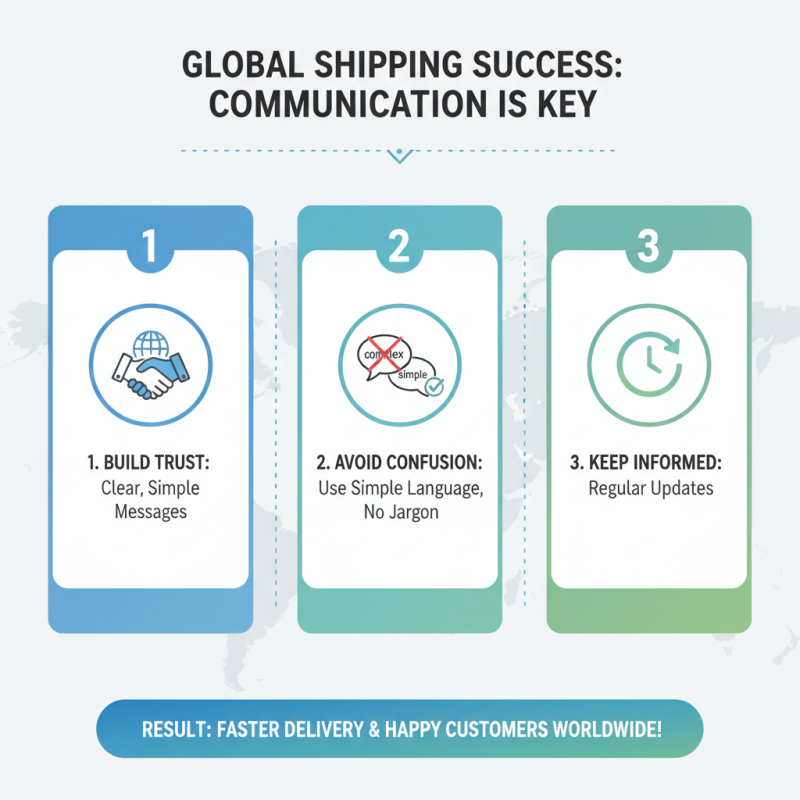
Effective communication with international customers is vital for shipping success. Clear messages build trust. Misunderstandings can lead to delays. Using simple language minimizes confusion. Avoid jargon that may not translate well. Regular updates on shipping status keep customers informed.
Cultural differences also shape communication. Be aware of time zones when reaching out. A message sent at night in one region could arrive during work hours in another. Using multiple channels enhances reach. Emails, instant messaging, and even phone calls can cater to preferences. Yet, some customers may prefer face-to-face interactions.
Reflect on feedback from international partners. It reveals areas for improvement. Often, valuable insights may come from those who experience issues first-hand. When planning strategies, prioritize listening over talking. Dedicating time to understand specific needs can foster stronger relationships and smoother shipping processes.