Top China Freight Forwarders for 2026 What You Need to Know
As the logistics landscape continues to evolve, the role of a China Freight Forwarder becomes increasingly vital. In 2026, efficiency, reliability, and innovation will shape the industry. Renowned expert Mei Zhang notes, “Navigating complex supply chains requires an expert partner.” This underscores the essential need for knowledgeable forwarders.
Designing effective logistics strategies is crucial for businesses. A China Freight Forwarder must be adaptable and proactive. Companies must consider their strengths and weaknesses. Some may excel in specific routes, while others might struggle with customs complexities. Each choice impacts delivery time and costs.
Investing in technology will be a game-changer. Advanced tracking systems and automation tools enhance transparency and efficiency. However, it’s essential to regularly evaluate these technologies. A China Freight Forwarder should prioritize innovation while addressing evolving global challenges. Thoughtful reflection on industry practices will lead to improved service.

Overview of China's Freight Forwarding Industry in 2026
The freight forwarding industry in China is set for significant changes by 2026. Recent reports indicate that the industry is expected to grow annually by over 5%. This growth comes as global trade continues to recover post-pandemic. The demand for efficient supply chain solutions is crucial as e-commerce flourishes.
In 2026, technology will play a pivotal role. Automation and digital platforms are becoming standard. Data from industry analysts show that 70% of freight forwarders will adopt advanced tracking systems. These systems enhance visibility and improve customer satisfaction. However, challenges remain in cybersecurity. Data breaches could undermine trust in these technologies.
Sustainability is also a pressing concern. Many logistics companies are striving for greener practices. Reports highlight that over 50% of firms aim to cut carbon emissions by 20% before 2030. While these goals are ambitious, achieving them requires cooperation across the industry. The road ahead is filled with both opportunities and potential pitfalls.
Key Players in the Freight Forwarding Market
In the rapidly evolving freight forwarding industry, understanding the key players is crucial. These companies play a vital role in logistics, ensuring goods move efficiently. As 2026 approaches, the market is likely to see significant changes. Innovation and technology adoption will shape competition among forwarders. Many traditional firms may struggle to adapt, creating opportunities for agile newcomers.
Tips: Always research capabilities. Check their network strength, particularly in emerging markets.
Market leaders often emphasize sustainability. They integrate eco-friendly practices into their operations. This shift has become essential for compliance and brand image. However, not all freight forwarders are equipped to meet these expectations. Some may face challenges in balancing cost and sustainability.
Tips: Evaluate their green initiatives. A reliable partner should prioritize sustainable logistics.
In terms of service, communication remains vital. Clients expect real-time updates and transparency. However, many companies still rely on outdated systems. This gap can lead to misinformation and delays. Companies must focus on enhancing digital infrastructure to stay competitive.
Tips: Prioritize partners who utilize advanced tracking systems. Clear communication is key to avoiding pitfalls.
Top China Freight Forwarders for 2026 - Key Players in the Freight Forwarding Market
| Rank |
Company Type |
Revenue (Million USD) |
Market Share (%) |
Number of Employees |
Headquarters Location |
| 1 |
Global Freight Forwarder |
1500 |
15 |
5000 |
Shanghai |
| 2 |
Regional Freight Forwarder |
800 |
10 |
3000 |
Beijing |
| 3 |
Niche Freight Provider |
600 |
8 |
1500 |
Guangzhou |
| 4 |
E-commerce Logistics |
400 |
5 |
2000 |
Shenzhen |
| 5 |
Small Freight Company |
250 |
3 |
1000 |
Hangzhou |
Emerging Trends Influencing Freight Forwarding in China
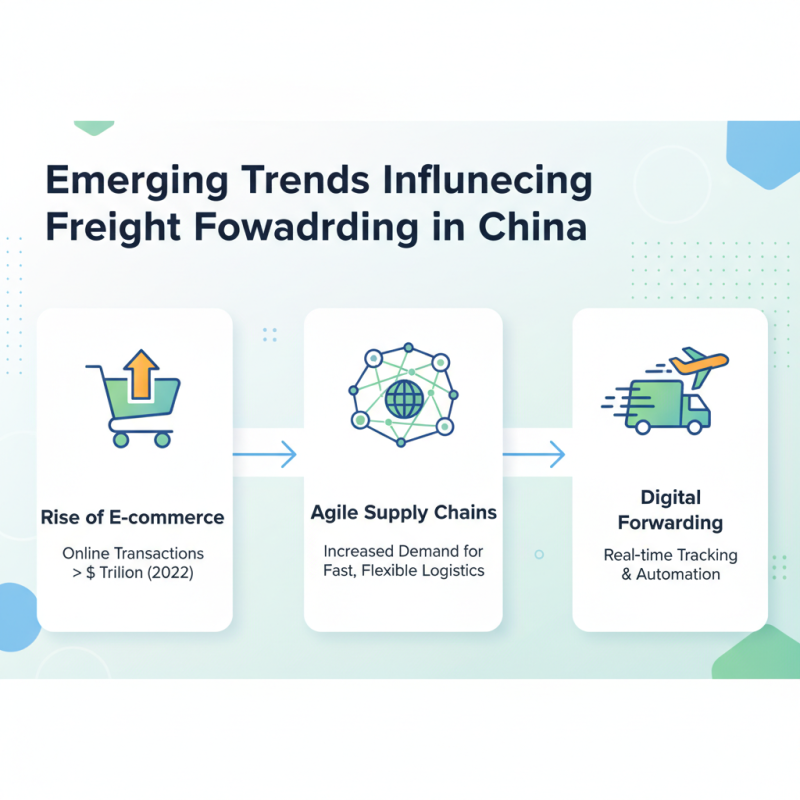
The freight forwarding landscape in China is evolving rapidly. Emerging trends are reshaping how businesses manage their supply chains. The rise of e-commerce has significantly increased demand for efficient logistics services. According to industry reports, e-commerce transactions in China surpassed $2 trillion in 2022, driving the need for agile freight solutions.
Sustainability is another key influence. Many companies are seeking greener logistics options. In 2023, the Chinese government set ambitious carbon neutrality targets for 2060. This push is prompting freight forwarders to invest in eco-friendly technologies. Electric vehicles and advanced tracking systems are becoming standard. However, implementing these solutions can be costly and complex.
Digital transformation is also critical. The integration of AI and blockchain technology is enhancing transparency and efficiency. A report shows that around 30% of logistics companies in China are using AI in their operations. Yet, there are challenges. Not all companies can adapt quickly to these technologies. Training and infrastructure investments are necessary but often lacking. This uneven adoption may lead to disparities in service quality across the industry.
Regulatory Changes Impacting Freight Forwarders
In 2026, freight forwarders in China will face significant regulatory changes. Governments are adjusting policies to improve supply chain efficiency. These changes can create both challenges and opportunities for businesses.
New environmental regulations may mandate greener logistics practices. Forwarders must adhere to stricter emissions standards. This could mean investing in cleaner technology or adjusting supply routes. By doing this, companies can remain competitive.
Tips: Stay updated on local regulations. Attend industry conferences to understand changes better. Engage with legal experts for compliance.
Adapting to these regulations is essential. Companies may struggle with the costs of compliance. However, neglecting these changes can lead to penalties. Prioritizing compliance will build credibility and foster trust with clients.
Tips: Develop a compliance checklist. Regularly audit practices to ensure adherence. Create a feedback loop for ongoing improvements.
Top China Freight Forwarders for 2026 - Regulatory Changes Impacting Freight Forwarders
Strategies for Selecting the Right Freight Forwarder in 2026
When selecting a freight forwarder in 2026, key strategies come into play. Understanding your specific needs is vital. Recent industry reports indicate that 70% of businesses now prioritize customized logistics solutions. This shift calls for careful assessment of services offered by potential forwarders. Consider their expertise in your sector. Experience in handling your cargo type matters greatly.
Evaluating technology also plays a crucial role. Leading freight forwarders invest heavily in tracking and automation technologies. A study by Logistics Management highlighted that companies utilizing advanced logistics tech improved shipment visibility by 60%. This efficiency is critical in maintaining supply chain integrity.
Communication capabilities are another important factor. A forwarder that excels in proactive communication tends to mitigate delays more effectively. Transparency can significantly influence your partnership's success. However, some companies overlook this aspect, leading to unforeseen disruptions. It's essential to ask potential forwarders how they manage communication. Consider these aspects carefully to make an informed decision.