Top 10 China Freight Forwarders You Need to Know?
As global trade continues to evolve, the role of a China freight forwarder becomes increasingly crucial. Experts emphasize that freight forwarders are more than just middlemen; they are vital logistics partners. John Liu, a recognized authority in logistics, once stated, "A reliable China freight forwarder can mean the difference between profit and loss in international shipping." This highlights the significance of choosing the right partner.
In the complex world of shipping, finding the right China freight forwarder is essential. Many businesses overlook the nuances of logistics. They often settle for low prices without considering service quality. The expertise of a competent freight forwarder can help navigate customs regulations, avoid delays, and reduce costs. This is especially true when dealing with China’s intricate trade regulations.
Understanding the landscape of freight forwarding in China is vital. It requires knowledge of the trade environment and connections. While many companies claim to be the best, the reality is often different. Businesses must reflect on their choices. A cargo misstep can lead to significant losses. Choosing wisely is paramount in the journey of international trade.

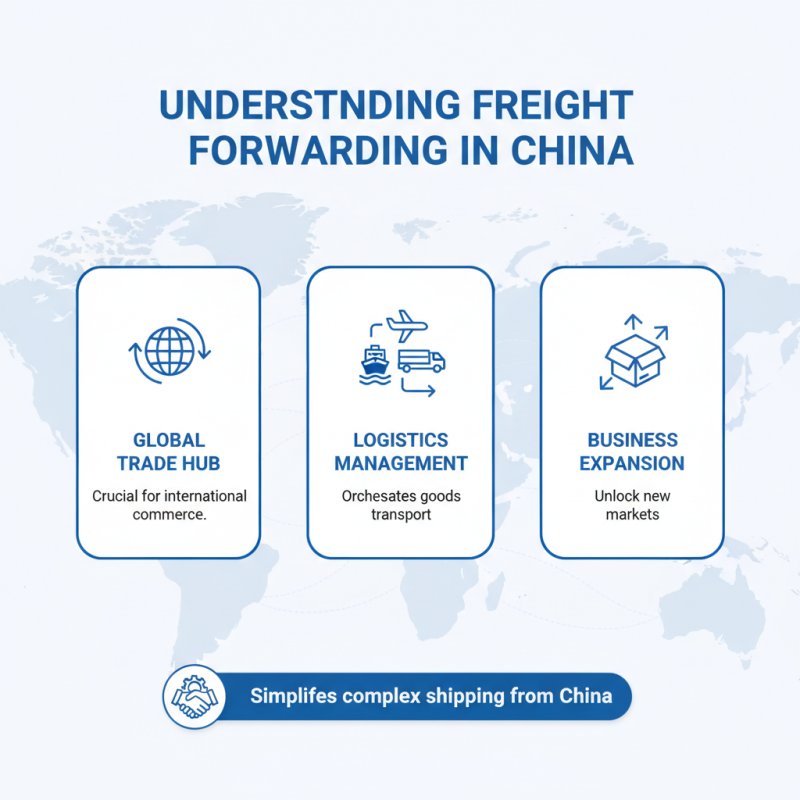
Understanding Freight Forwarding in China
Freight forwarding in China is a crucial part of global trade. This process involves managing the logistics of transporting goods from one location to another. Understanding this industry can greatly benefit businesses looking to expand their reach.
In recent reports, the growth of the Chinese logistics market is projected to increase by 10% annually. Factors such as e-commerce and increased manufacturing have spurred this demand. However, competition is intense among freight forwarders. This creates challenges for companies aiming to secure the best rates and services. Every choice in logistics can impact costs and delivery times.
Tip: Ensure to compare freight forwarding services before making a decision. It’s important to look at their network, reliability, and customer feedback.
Communication is key in this industry. Shipping delays often occur due to customs issues. These can stem from inaccurate paperwork or missing documentation. Awareness of these pitfalls can save time and money.
Tip: Maintain a checklist for shipping documentation. This helps avoid costly mistakes in the future. A proactive approach can aid in smoother operations.
Overall, understanding the intricacies of freight forwarding in China helps businesses navigate potential challenges effectively.
Criteria for Selecting a Top Freight Forwarder
Selecting a top freight forwarder involves critical criteria that can significantly impact a business's supply chain efficiency. Companies should prioritize forwarders with a proven track record in the industry. According to a recent report from Logistics Management, 74% of businesses consider experience as a vital factor when choosing a forwarder. An experienced partner brings not only established networks but also in-depth knowledge of local regulations and market dynamics.
Another crucial aspect is transparency. Clear communication about costs and processes is essential. A report by the International Federation of Freight Forwarders Associations emphasizes that 68% of successful partnerships stem from transparent dealings. It's vital to assess their technology adoption as well. Leading forwarders leverage automation and digital tools to streamline operations. However, businesses often overlook this, which can lead to inefficiencies.
Lastly, responsiveness can be a make-or-break factor. Quick decision-making in logistics is essential. A study from Supply Chain Quarterly indicates that companies lose an average of 11% in revenue due to delayed communications. Thus, firms should investigate how potential forwarders handle customer inquiries and urgent issues. These criteria form a foundation that can lead to a reliable freight forwarding partnership, ensuring efficient operations in a competitive landscape.
Key Services Offered by Leading Freight Forwarders
Freight forwarders play a vital role in international trade. They offer a range of key services, ensuring that goods move smoothly across borders. One important function is customs clearance. This process helps businesses navigate complex regulations. It can save time and reduce the risk of delays. Expert knowledge of customs requirements is essential in this stage.
Another crucial service is cargo handling. This includes packing, loading, and unloading goods. An efficient cargo handling process minimizes damage and improves delivery speed. Freight forwarders often have partnerships with shipping companies. These relationships ensure better rates and reliable transportation options.
Additionally, many freight forwarders provide warehousing solutions. Proper storage can be a challenge for companies. Some forwarders offer climate-controlled facilities to protect sensitive items. Providing visibility throughout the supply chain is also growing in importance. Real-time tracking gives peace of mind to businesses monitoring their shipments. However, not all forwarders may offer this feature effectively, leading to gaps in communication for clients.
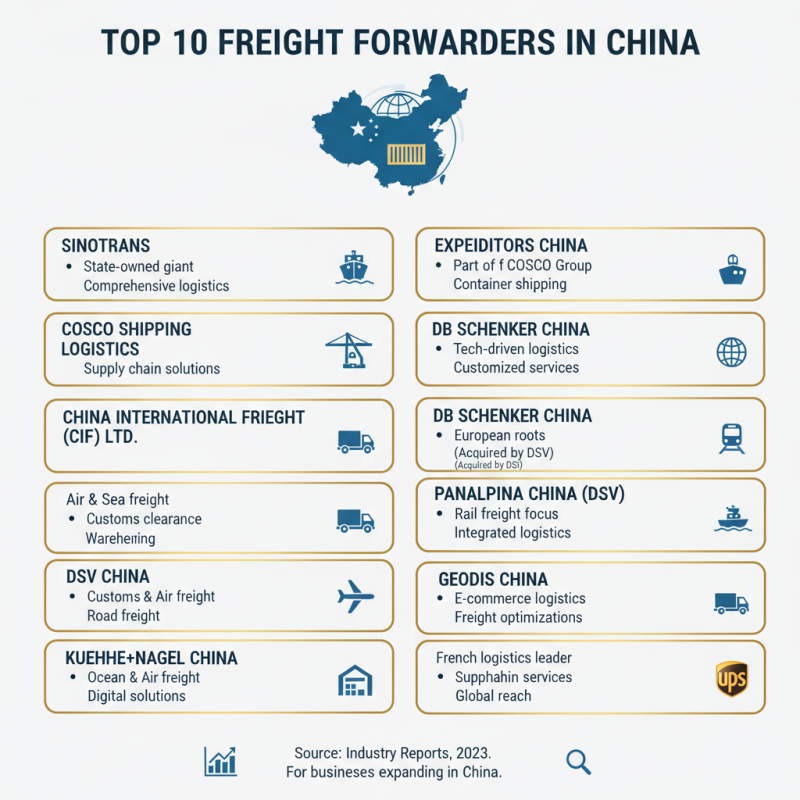
Top 10 China Freight Forwarders You Need to Know
| Rank |
Key Services |
Regions Covered |
Specialization |
Estimated Shipping Cost |
| 1 |
Air Freight, Ocean Freight, Customs Clearance |
Global |
General Cargo |
$2.50/kg |
| 2 |
Express Delivery, E-commerce Logistics |
Asia, Europe |
E-commerce |
$3.00/kg |
| 3 |
Rail Freight, Intermodal Solutions |
Asia, Europe |
Bulk Cargo |
$1.80/kg |
| 4 |
Freight Forwarding, Warehousing |
North America, Asia |
Project Cargo |
$2.20/kg |
| 5 |
Customs Brokerage, Supply Chain Management |
Global |
Perishable Goods |
$3.50/kg |
| 6 |
Door-to-Door Services, Logistics Consulting |
Asia, Africa |
Fashion and Textiles |
$2.80/kg |
| 7 |
Ocean Freight, Freight Brokerage |
Europe, North America |
Automotive Parts |
$2.10/kg |
| 8 |
Air and Ocean Consolidation |
Asia, South America |
High-Value Goods |
$3.20/kg |
| 9 |
Heavy Lift, Specialized Transport |
Global |
Industrial Equipment |
$4.00/kg |
| 10 |
Fulfillment Centers, Last-Mile Delivery |
Domestic |
Consumer Goods |
$2.60/kg |
Evaluating Customer Reviews and Industry Reputation
When selecting a freight forwarder in China, customer reviews hold significant weight. These testimonials reflect real experiences. They reveal both strengths and weaknesses. A consistent pattern in feedback may indicate overall reliability. Some companies shine in communication, while others struggle.
Industry reputation is also crucial. A forwarder with a strong historical presence may offer better security. However, new players can provide innovative solutions. Some clients find older companies slow to adapt to changes. Monitoring social media can unearth honest opinions. Look for forums where users share their insights.
Transparency in practices is essential. Firms that openly discuss their procedures often gain trust. Yet, not all reviews will be glowing. Negative feedback can be a sign of underlying issues, like hidden costs or poor customer service. It's important to weigh these perspectives carefully. In the end, balance between reliability and innovation is key.