Top 10 Facts About Amazon Logistics You Should Know?
In the dynamic world of e-commerce, Amazon Logistics plays a pivotal role in shaping delivery standards. Industry expert John Smith, a logistics consultant, once stated, “Efficient logistics is the backbone of successful e-commerce.” This underscores how crucial Amazon Logistics is to the company’s success. It not only impacts customer satisfaction but also the larger supply chain landscape.
Understanding Amazon Logistics involves exploring its innovative strategies and advanced technology. The network spans various hubs, providing rapid deliveries worldwide. However, the expansion raises questions. Are they prioritizing speed over sustainability? Are communities impacted positively or negatively? Such reflections are vital in analyzing their operations.
Moreover, while Amazon Logistics has revolutionized the delivery experience, it also faces challenges. Employee working conditions have come under scrutiny. Balancing efficiency with worker welfare poses a significant dilemma. As we delve deeper into the top ten facts about Amazon Logistics, we must consider both its triumphs and the areas needing improvement.

Overview of Amazon Logistics and Its Role in E-Commerce
Amazon Logistics plays a pivotal role in the ever-evolving landscape of e-commerce. With the rise of online shopping, logistics has transformed into a critical component for retailers. In 2022, the e-commerce logistics market was valued at around $215 billion and is projected to grow significantly in the coming years. Efficient logistics not only ensure timely deliveries but also enhance customer satisfaction.
A key aspect of Amazon Logistics is its vast network. This includes distribution centers, delivery stations, and innovative last-mile delivery solutions. In recent years, the company has invested in technology to streamline its processes. However, these systems aren't always perfect. Reports indicate that about 20% of deliveries face delays due to various factors, including traffic and weather conditions.
Tips: To improve your own logistics strategy, focus on developing flexible solutions. Embrace technology but remember, it’s not infallible. An agile approach will help you adapt quickly to unexpected challenges.
Furthermore, customer expectations are rising. Fast delivery has become the norm. Over 50% of consumers now expect same-day delivery options. Businesses must be prepared to meet these demands. Yet, as logistics grows, it brings challenges. Sustainability is a major concern. Many logistics operations contribute to significant carbon footprints. Companies should evaluate eco-friendly packaging and transportation alternatives.
Tips: Consider collaboration with local delivery services. This can reduce costs and environmental impact. Always seek ways to minimize waste in your logistics operations.
Key Innovations Enhancing Amazon Logistics Efficiency
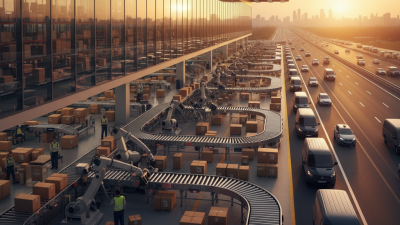
Amazon Logistics continuously evolves. Its key innovations contribute to remarkable efficiencies. One major advancement is the implementation of robotics in warehouses. According to a recent industry report, automation can enhance picking speed by up to 300%. This speeds up order fulfillment significantly.
Another transformative innovation is the use of advanced data analytics. Companies are leveraging big data to forecast demand. A report from Supply Chain Insights estimates that 70% of logistics operations can be improved through predictive analytics. This leads to smarter inventories and reduced waste. However, reliance on data can pose challenges. Over-analysis may slow decision-making processes.
Furthermore, last-mile delivery innovations are noteworthy. Use of electric vehicles and drones is growing. These methods reduce carbon footprints. However, they are not yet widely feasible. Cost and regulatory hurdles remain. Continuous reflection on these challenges is essential for success in logistics.
The Scope and Scale of Amazon's Delivery Network
Amazon's delivery network is both vast and complex. They have established a system that reaches millions of customers worldwide. Each day, countless packages move through multiple channels. Their network includes fulfillment centers, sortation centers, and delivery hubs. These facilities are strategically located to enhance efficiency.
The scale of operations is often impressive. For instance, tens of thousands of employees work around the clock. Drones and advanced technologies are tested for quicker delivery. However, with such speed, challenges arise. Package misdeliveries and route inefficiencies can occur. It's crucial to recognize that while innovation thrives, there are still areas needing improvement. The balance between speed and accuracy remains a hurdle.
Overall, while the intricate web of this logistics network showcases remarkable achievement, it invites questions. How can processes be refined for better customer satisfaction? Operational transparency is lacking. Without clear communication and feedback mechanisms, the system may not reach its full potential. Continuous evolution is essential to navigate future logistics demands efficiently.
Top 10 Facts About Amazon Logistics You Should Know
| Fact |
Details |
| Global Fulfillment Centers |
Over 175 fulfillment centers worldwide provide efficient storage and shipping. |
| Same-Day Delivery |
Available in select metropolitan areas, enabling deliveries within hours. |
| Delivery Networks |
Utilizes a mix of own delivery drivers and third-party carriers. |
| Innovation in Logistics |
Invests heavily in automation and AI to optimize delivery processes. |
| Last-Mile Delivery |
Focus on improving the last mile for faster delivery to consumers. |
| Mobile Apps |
Offers apps for drivers to enhance route efficiency and communication. |
| Drones |
Exploring the use of drones for quicker delivery to remote areas. |
| Sustainability Efforts |
Implementing eco-friendly delivery vehicles and packaging solutions. |
| Employee Safety |
Investing in driver safety programs and training protocols. |
| Growth Rate |
Logistics division has seen rapid growth over the last decade. |
Impact of Amazon Logistics on Global Supply Chains
Amazon Logistics has transformed global supply chains. It influences how goods move worldwide. With vast warehouses and advanced technology, it speeds up delivery. This has disrupted traditional logistics models. Many companies struggle to keep up.
The focus on same-day or next-day delivery changes consumer expectations. Online shopping is more popular than ever. As a result, sellers must adapt quickly. Smaller businesses feel the pressure. They often lack the resources to match such rapid logistics. This creates a competitive gap that is hard to bridge.
Not everything is perfect. Increased demands can strain local infrastructures. Traffic congestion rises as delivery vehicles flood urban areas. Environmental concerns grow as many packages require transport. Rethinking these logistics is crucial. Sustainable solutions need exploration. How can the industry support both efficiency and the planet? This challenge is worth our attention.
Challenges and Future Trends in Amazon Logistics Operations
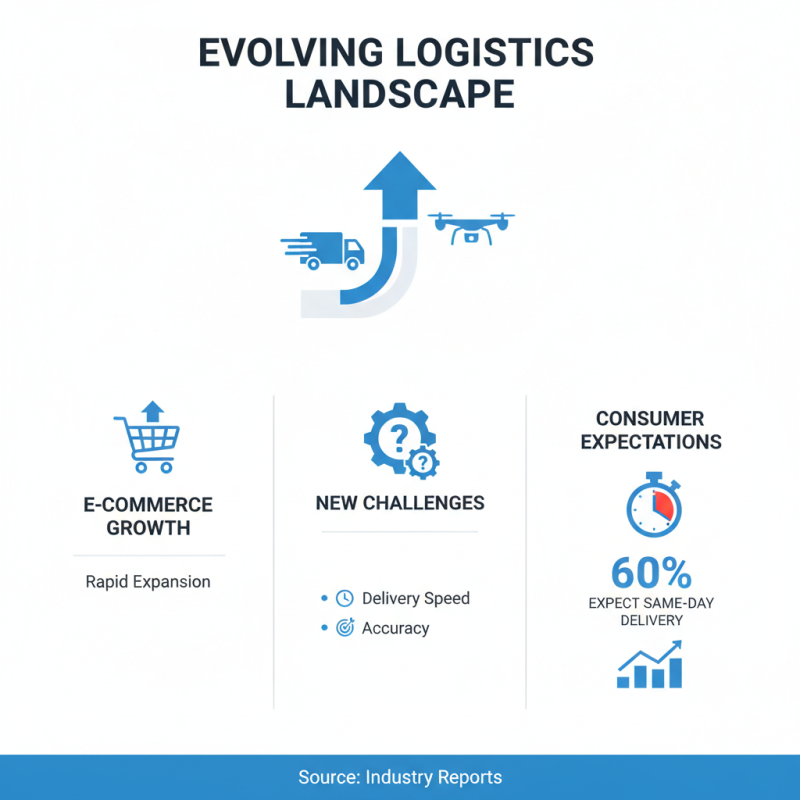
The logistics landscape is evolving rapidly. As e-commerce grows, logistics faces new challenges. Delivery speed and accuracy remain at the forefront. Reports show that nearly 60% of consumers now expect same-day delivery, putting pressure on logistics networks.
Congestion in urban areas complicates last-mile delivery. According to industry insights, traffic issues increase delivery times by 30%. This often results in customer dissatisfaction. Moreover, sustainability is becoming a priority. Studies indicate that 75% of consumers prefer companies with eco-friendly practices. However, achieving this goal requires innovative solutions and significant investment.
Technology plays a pivotal role in overcoming these challenges. Automation and AI are reshaping operations. Current projections show that automated delivery systems could reduce logistical costs by up to 30%. Yet, human oversight remains essential. Balancing efficiency with effective employee management is crucial. Many firms must reflect on how to integrate technology without losing the human touch. The future of logistics will depend on adaptability and a focus on customer needs.