Top 10 Freight Forwarding Tips for Efficient Shipping Solutions
In the ever-evolving world of logistics, understanding how to effectively *freight forward* is crucial. According to recent industry reports, efficient freight forwarding reduces shipping costs by up to 20%. This substantial savings can impact overall profitability, especially for smaller businesses. Navigating the complexities of global shipping necessitates more than just basic knowledge; it requires strategic planning.
Today’s freight forwarding landscape is marked by challenges like fluctuating fuel costs and complex regulations. Many businesses struggle to adapt. A study shows that 73% of companies face difficulties in tracking shipments. Despite the advancements in technology, consistent visibility remains a significant hurdle. Such statistics reveal a pressing need for companies to refine their shipping strategies.
Finding the right balance between cost and efficiency can be daunting. Every decision affects the supply chain’s integrity. If improperly managed, businesses may face delays and increased expenses. Reflecting on these challenges, it becomes evident that mastering freight forwarding is a vital component of successful shipping solutions. This guide aims to provide ten key tips that can help streamline the process, optimize costs, and enhance efficiency.

Understanding Freight Forwarding: Key Definitions and Industry Terminology
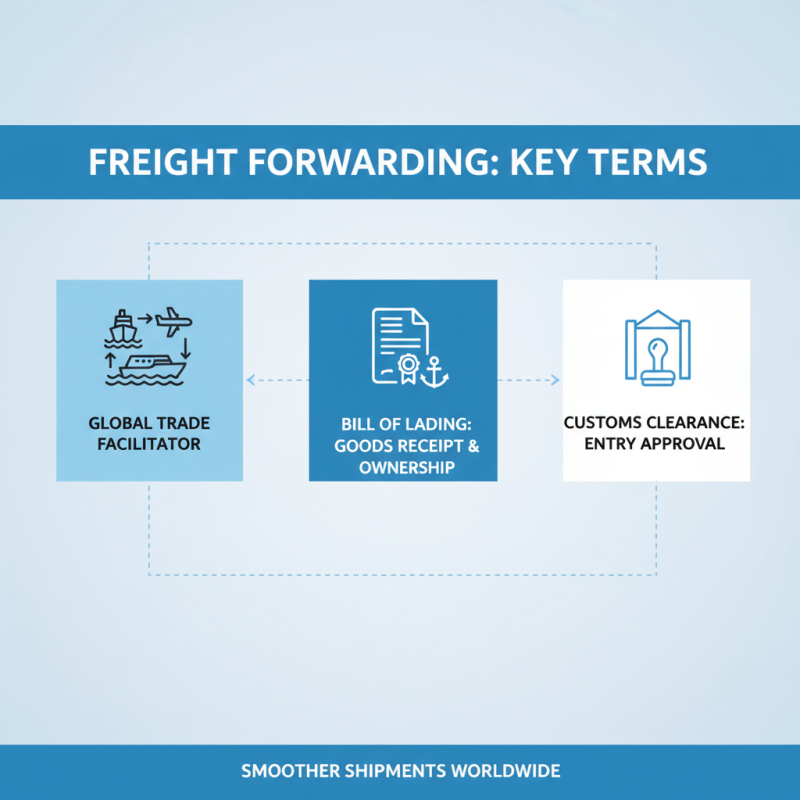
Freight forwarding is a vital part of global trade. It involves arranging the transportation of goods from one destination to another. Understanding key terminology makes this process smoother. Terms like “bill of lading” and “customs clearance” often come up. The bill of lading serves as a receipt for shipped goods. It clarifies ownership and shipment details.
Customs clearance can be tricky. It requires documentation that meets regulatory standards. Missing paperwork can delay shipments significantly. Other terms, such as “freight charge” and “incoterms,” are equally important. Freight charges signify the costs associated with transporting goods. Incoterms define the responsibilities of sellers and buyers in shipping.
Moreover, many overlook the importance of tracking shipments. Knowing the status of goods in transit is crucial. Yet, mistakes in tracking can lead to lost shipments. As you navigate the world of freight forwarding, push for clarity. Misunderstandings can cost time and money. Emphasizing clear communication with all parties involved is essential. Understanding these terms can enhance your shipping efficiency.
Analyzing Shipping Modes: Choosing Between Air, Sea, and Land Transport
When analyzing shipping modes, the choice between air, sea, and land transport is crucial. Air freight is faster but often more expensive. Reports indicate that air transport can cost up to five times more than shipping via sea. However, it reduces transit times significantly, which can be vital for perishable goods.
Sea freight, on the other hand, is the most cost-effective method for large shipments. It can handle massive loads, but shipping times are longer, usually ranging from several days to weeks. Land transport offers flexibility and can adapt to various routes. While it is generally slower than air, it might provide the best combination of cost and time for certain regions.
Tip 1: Consider the nature of your goods. Perishables require faster transport, while durable items can wait longer. Tip 2: Analyze your budget. Sometimes, spending more on air freight is justified, especially if it aligns with your deadlines. A common mistake is solely focusing on the price; remember to consider the entire supply chain.
Reflecting on these factors can save time and resources. Balancing cost, speed, and reliability is essential in shipping. Make informed choices to enhance your logistics strategy effectively.
Cost Considerations: Reducing Freight Costs Through Smart Planning
Shipping costs can significantly impact a business's bottom line. By planning smartly, companies can reduce these expenses. According to a 2022 logistics report, freight costs accounted for more than 50% of total logistics expenses for small to medium enterprises. This makes finding efficient solutions vital.
Utilizing technology is essential. Real-time tracking and management software can enhance visibility. Businesses that implemented these tools saw a 20% reduction in delays. However, many still rely on outdated processes. This often leads to missed opportunities and higher costs. Improving communication with freight forwarders is another area for reflection. Poor communication can lead to misunderstandings and costly shipping mistakes.
Optimizing shipment sizes also plays a critical role. Using data analysis to determine ideal load configurations can save money. A 2021 study found that optimizing loads led to a 15% decrease in freight costs. Yet, some businesses still ship partially loaded containers, wasting resources. Regularly reviewing shipping practices can help identify these inefficiencies. Adjusting strategies based on data can lead to significant savings over time.
Documentation and Compliance: Navigating Regulatory Requirements in Shipping
Navigating regulatory requirements in shipping can be daunting. Proper documentation is essential for compliance. Missing papers can delay shipments and increase costs. Ensure that all documents are accurate and complete. This includes invoices, packing lists, and bills of lading. Each document must align with your cargo description and destination.
Consider utilizing a checklist. This can help you track all necessary paperwork. A simple list can prevent overlooking important details. Incorrect or incomplete documentation is a common mistake. It can lead to regulatory fines or cargo seizures. Regular training for your team on documentation can improve compliance.
Understand the specific regulations for each destination. Different countries have unique requirements. Researching these details beforehand saves time and money. Customs requirements often change, so stay updated. Signing up for regulatory updates can be beneficial. Awareness is key in this complex environment.
Top 10 Freight Forwarding Tips for Efficient Shipping Solutions
Technology Tools: Leveraging Software for Improved Freight Management Efficiency
In today's fast-paced logistics world, technology is key. Software solutions streamline freight management, enhancing efficiency. According to a recent industry report, companies utilizing freight management software can boost operational efficiency by up to 30%. This is significant, especially as global shipping demands rise.
Data analytics tools are vital in optimizing shipping routes. Modern platforms analyze real-time data, helping shippers make informed decisions. For instance, predictive analytics can reduce transit times by 25%. However, some companies still rely on outdated methods, which can result in inefficiencies. Resistance to change can hinder progress. The need for tech adoption is clear, yet many remain hesitant.
Implementing these technologies isn't without challenges. Training staff can be resource-intensive. Additionally, integrating new software with existing systems may create temporary disruptions. Despite these hurdles, the benefits often outweigh the drawbacks. An investment in technology can lead to more substantial, long-term gains in freight management efficiency. A thorough evaluation of tech options is essential to avoid pitfalls.
Top 10 Freight Forwarding Tips for Efficient Shipping Solutions
| Tip Number |
Tip Description |
Technology Tool |
Benefits |
| 1 |
Optimize Your Supply Chain |
Supply Chain Management Software |
Improved visibility and efficiency |
| 2 |
Automate Documentation Processes |
Document Management Systems |
Reduced errors and faster processing |
| 3 |
Use Real-Time Tracking |
Tracking Software |
Enhanced customer service and transparency |
| 4 |
Leverage Data Analytics |
Data Analytics Tools |
Informed decision-making and cost savings |
| 5 |
Enhance Communication |
Collaboration Software |
Improved coordination and teamwork |
| 6 |
Monitor Carrier Performance |
Performance Evaluation Tools |
Better carrier selection and negotiation |
| 7 |
Utilize E-commerce Integrations |
E-commerce Platforms |
Streamlined order fulfillment |
| 8 |
Implement Inventory Management |
Inventory Management Software |
Reduced stockouts and overstock |
| 9 |
Invest in Training |
Training Software |
Increased employee efficiency |
| 10 |
Prioritize Compliance |
Compliance Management Tools |
Reduced legal risks and penalties |