Top 10 Sea Freight Tips for Global Buyers Today?
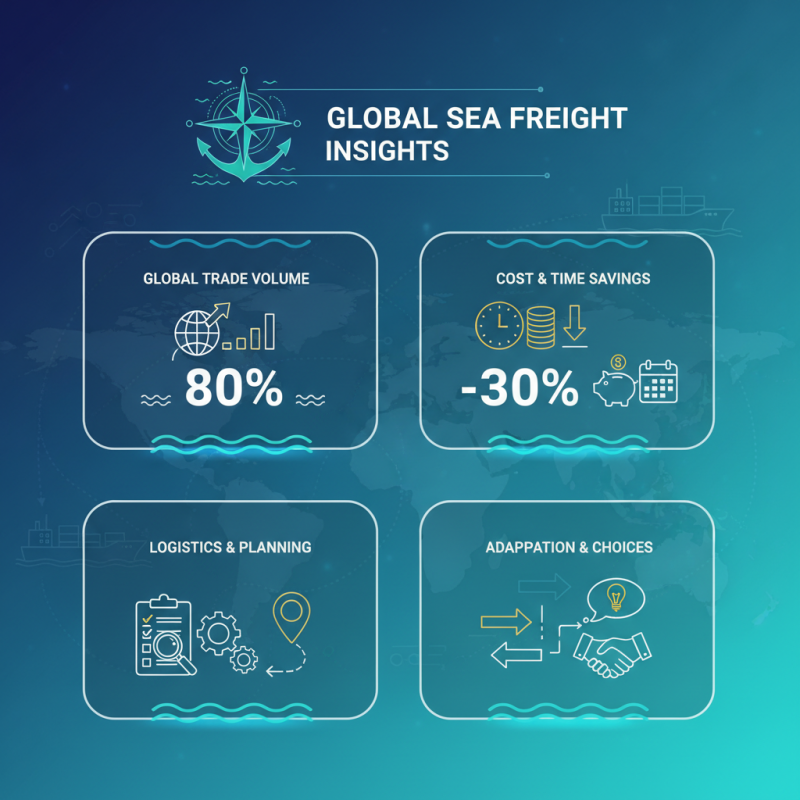
The world of **Sea Freight** is both complex and vital for global trade. According to the International Maritime Organization, over 80% of global trade by volume is conducted via sea. Yet, many buyers still struggle with the intricacies of this industry. Expert in maritime logistics, Sarah Johnson, states, “Understanding the sea freight process can save companies time and money.”
Navigating this landscape requires insight. The shipping industry has faced challenges such as rising costs and fluctuating fuel prices. In 2022, global freight rates soared, making it all the more crucial for buyers to adapt. A recent study showed that effective planning can reduce shipping expenses by 30%.
Buyers must also reflect on past decisions. Overlooking details in **Sea Freight** logistics can lead to delays and increased costs. Every shipping route and carrier varies, meaning that failing to assess options can be detrimental. Adapting to these changes in the **Sea Freight** sector is essential for success. Making informed choices can lead to smoother transactions and better outcomes.
Understanding Sea Freight: Key Terminology and Concepts
Understanding sea freight is essential for global buyers. Transparency in terminology can help make informed decisions. Key terms include “containerization,” “freight forwarders,” and “demurrage.” According to a report from the International Maritime Organization, container shipping volumes reached 200 million TEUs in 2022, highlighting the industry's growth. Knowing how these terms impact logistics is crucial.
Freight forwarders act as intermediaries, simplifying shipping processes. They negotiate rates and manage documentation. A report from Statista indicated that 80% of global trade by volume is sea-based. This underlines the importance of freight forwarders in navigating complexities. Demurrage fees can arise if containers are not picked up on time. Understanding these potential fees can save money.
The importance of the Incoterms cannot be overlooked. They define responsibilities in shipping agreements. Misunderstanding these terms can result in disputes and additional costs. In 2023, the average time for container transit increased due to various global disruptions. Buyers should be aware of these trends. Efficient planning is essential to mitigate delays and costs.
Top 10 Sea Freight Tips for Global Buyers
Evaluating Cost Factors: Analyzing Shipping Rates and Additional Fees
When evaluating sea freight costs, a thorough analysis of shipping rates and additional fees is crucial. According to the World Bank’s Logistics Performance Index, shipping costs can make up over 30% of total international trade expenses. Understanding these costs is vital for global buyers aiming to optimize their budgets.
Shipping rates fluctuate due to various factors. Fuel prices, container shortages, and seasonal demand impact rates significantly. For instance, reports indicate that global freight index rates surged by 120% during peak shipping seasons. Buyers should consider these dynamics to avoid unexpected expenses. Additionally, hidden fees, such as terminal handling charges and customs tariffs, can creep into total costs. Industry studies emphasize that these fees can add up to 20% more to the initial rate, often catching many buyers off guard.
While navigating shipping options, it is important to weigh the pros and cons of different routes. Some might offer lower initial rates but result in longer transit times or additional fees. A detailed cost analysis can help buyers make informed decisions. Understanding the complexities of shipping rates is essential, as miscalculations can lead to budget overruns and impact overall profitability.
Top 10 Sea Freight Tips for Global Buyers - Evaluating Cost Factors
| Tip |
Description |
Cost Factor |
Typical Range |
| 1. Understand Freight Terms |
Familiarize yourself with Incoterms for clear responsibility. |
Service Responsibility |
N/A |
| 2. Compare Rates from Multiple Carriers |
Get quotes from several carriers to find the best deal. |
Base Freight Rate |
$1,000 - $3,000 |
| 3. Consider Additional Fees |
Account for port fees, handling, and documentation. |
All Additional Charges |
$300 - $1,000 |
| 4. Choose the Right Container |
Select the appropriate container type for your goods. |
Container Type Fees |
$100 - $1,000 |
| 5. Optimize Load Capacity |
Maximize space use to reduce per-unit shipping costs. |
Shipping Efficiency |
Varies by load |
| 6. Stay Informed on Market Changes |
Monitor shipping trends and economic factors that can affect rates. |
Market Variability |
N/A |
| 7. Utilize Technology for Tracking |
Use tracking systems to monitor shipments in real-time. |
Technology Implementation |
$50 - $300 |
| 8. Plan for Delays |
Account for potential delays to avoid costly disruptions. |
Risk Management |
N/A |
| 9. Engage with a Freight Forwarder |
Partner with professionals who can navigate regulations for you. |
Freight Forwarding Fees |
$200 - $500 |
| 10. Review Carrier Performance |
Regularly assess carriers to ensure service quality and reliability. |
Service Evaluation |
N/A |
Optimizing Transit Times: Strategies for Efficient Shipping Routes
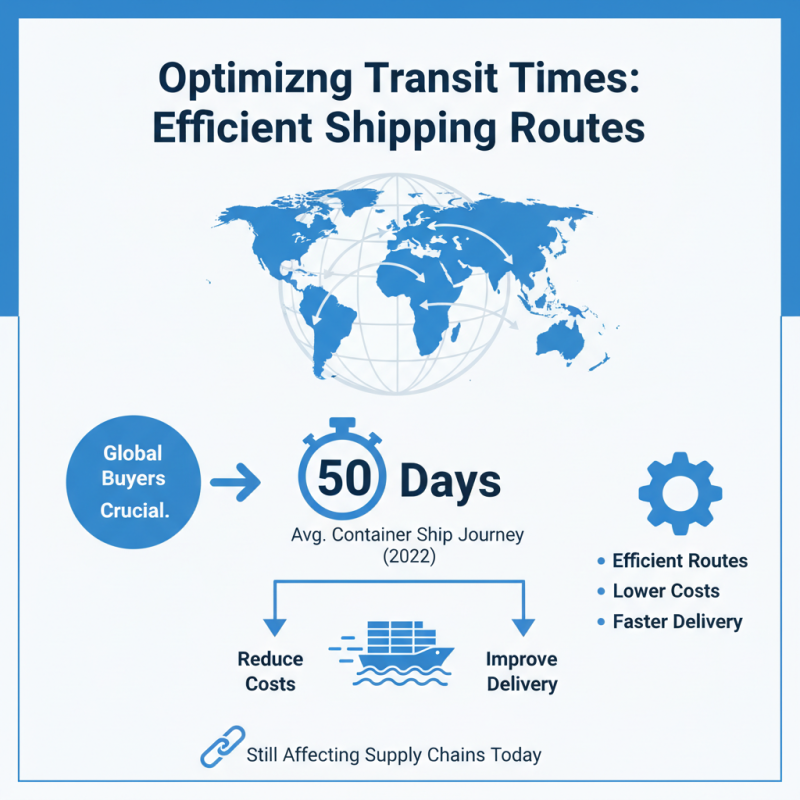
Optimizing transit times in sea freight is crucial for global buyers. Efficient shipping routes can significantly reduce costs and improve delivery times. In 2022, the average time for container ships to complete their journey was around 50 days, a number that is still affecting supply chains today.
To enhance efficiency, analyzing route options is essential. A recent report by McKinsey suggested that optimizing shipping routes could lead to a time reduction of up to 20%. Utilizing major shipping lanes and minimizing stops can drastically cut costs. However, buyers must also consider potential delays at congested ports. In 2023, over 30% of ships experienced delays due to port congestion, underscoring the importance of selecting ports with better performance metrics.
Another vital aspect is proper planning. Coordinating shipment schedules with actual demand can alleviate pressure on transit times. According to the World Bank, countries that implement advanced logistics techniques see an increase in shipping efficiency by as much as 40%. Global buyers should remain mindful of the complexities within this sector, as factors like weather and geopolitical tensions can unexpectedly alter shipping plans.
Compliance and Documentation: Navigating Customs Regulations
Navigating customs regulations is crucial for global buyers. Compliance starts with understanding specific country requirements. Each nation has unique customs rules that can affect shipping costs and delivery times. Failing to meet these can lead to delays, fines, or even confiscation of goods.
Documentation plays a vital role here. Importers must ensure they have all necessary paperwork. This might include invoices, packing lists, and certificates of origin. Every document must be accurate and timely. A single error can create significant complications. Checklists can help to avoid mistakes. However, relying solely on them can be risky; staying updated on changing regulations is essential.
Global trade is complex and ever-evolving. Develop a solid relationship with customs brokers. Their expertise can help you navigate challenges effectively. Remember, compliance is not a one-time task; it requires ongoing attention. Regular audits of your practices can identify areas for improvement. Balancing efficiency and compliance can be daunting, but it is necessary for success.
Choosing the Right Freight Forwarder: Essential Tips for Selection
Choosing the right freight forwarder can make or break your shipping experience. Look for a provider with a solid reputation. They should have positive reviews and long-term relationships with carriers. A freight forwarder who has been in the industry for years often brings valuable experience and insights that newer companies might lack.
Don’t hesitate to ask potential freight forwarders about their expertise. Inquire about their specific services and areas of specialization. The more they know about your type of cargo, the better they can serve you. Paying attention to their communication style is also crucial. A responsive and transparent freight forwarder can ease your concerns during shipping delays or issues.
It’s wise to consider the logistics provider’s network. An extensive network indicates strong relationships. This can result in faster shipping and better rates. However, avoid solely focusing on cost. Sometimes, the cheapest option lacks reliability. Reflect on your past experiences and ensure you are choosing a forwarder that aligns with your business needs.