What is Transportation In China and How Does It Impact Daily Life?
Transportation in China plays a crucial role in the daily lives of its citizens. It shapes the rhythm of urban life and connects rural areas. The vast network includes trains, buses, cars, and bicycles. Each mode has its strengths and weaknesses.
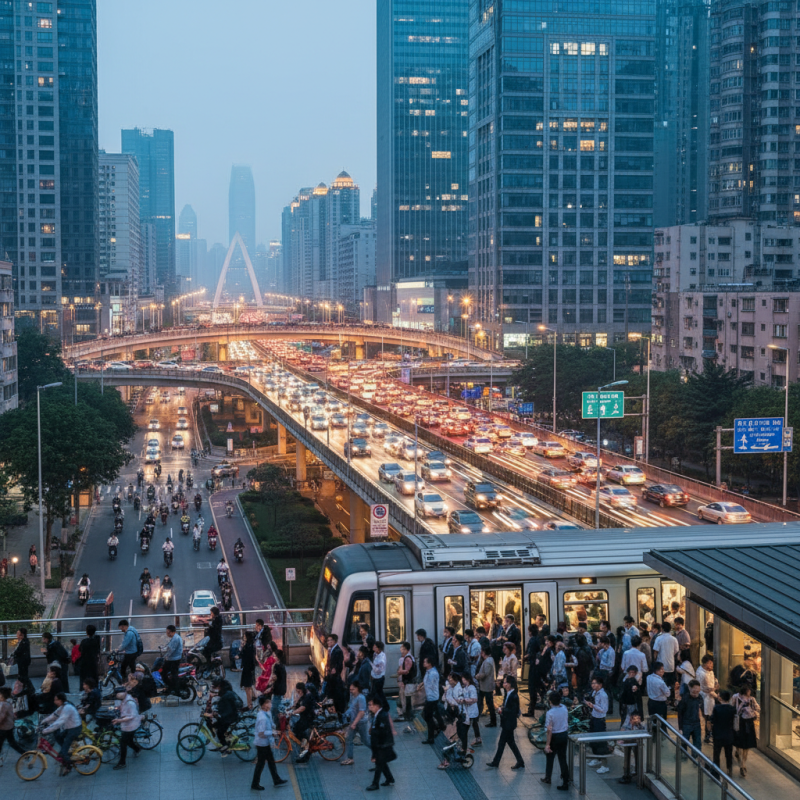
In cities like Beijing and Shanghai, the subway is often packed during rush hours. It provides swift travel but can be uncomfortable. Bicycles are popular for short trips, promoting both health and convenience. However, riders face safety concerns amidst heavy traffic.
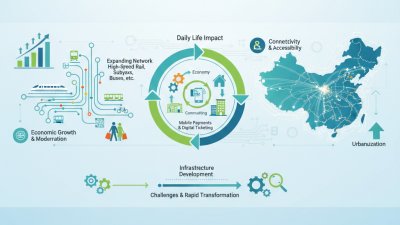
Transportation in China impacts economic growth, facilitating trade and commuting. Yet, overcrowded roads and pollution raise questions about sustainability. Addressing these challenges is vital for improving urban living conditions. The journey through transportation reflects both progress and the need for thoughtful planning.
Transportation Infrastructure in China: An Overview of Major Systems
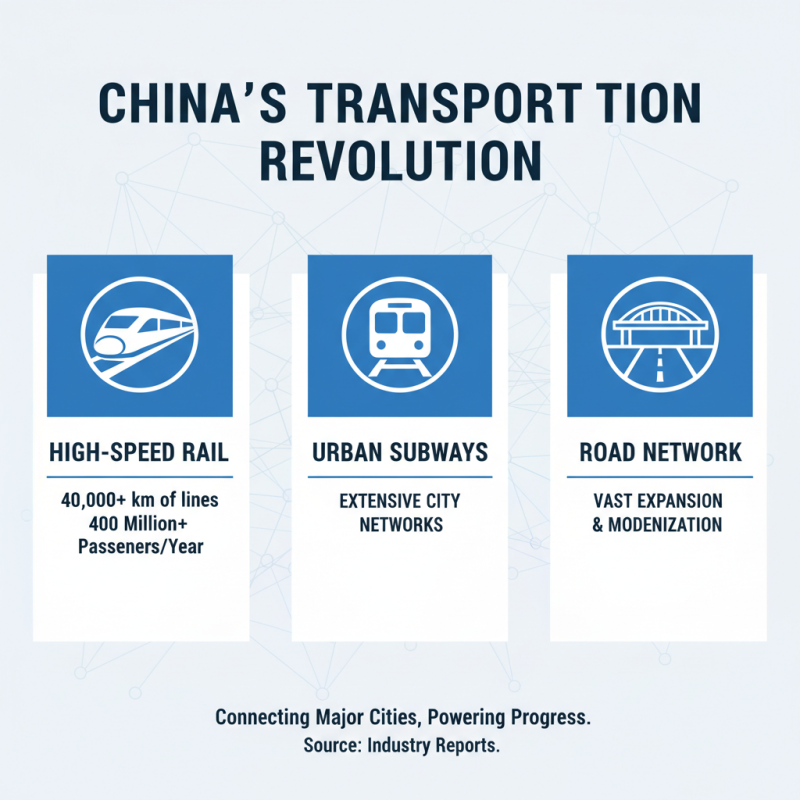
Transportation in China has developed rapidly. The infrastructure includes high-speed rail, subways, and extensive road networks. More than 40,000 kilometers of high-speed rail lines connect major cities. This system transports over 400 million passengers annually, according to reports by industry experts.
Subways are also crucial. Cities like Beijing and Shanghai boast expansive networks. In 2020, the total length of subway lines exceeded 7,000 kilometers. This system reduces traffic congestion and pollution, offering a vital alternative to cars. However, overcrowding during peak hours remains a challenge.
Road networks are extensive, covering about 150,000 kilometers of expressways. Yet, traffic jams are common in urban centers. Many vehicles contribute to air quality issues. Despite improvements, commuters often face delays. Continuous upgrades are essential for future needs. The impact on daily life is significant, and ongoing reflection on these systems is necessary.
The Role of High-Speed Rail in Transforming Chinese Urban Mobility
High-speed rail has transformed urban mobility in China. It connects major cities quickly and efficiently. Commuters can travel hundreds of miles in just a few hours. This system has made long-distance travel more accessible. Cities that were once hours apart are now just minutes away.
However, the rapid growth of high-speed rail has its challenges. Ticket affordability can be a concern for many. Some routes are crowded, especially during peak times. This leads to discomfort for passengers.
Moreover, the environmental impact of constructing rail lines is worth reflecting on. While trains are generally cleaner than cars, building new lines can disrupt ecosystems.
The high-speed rail experience is not always perfect. Delays occasionally occur, frustrating travelers. Quality of service can vary. Yet, the benefits are clear. Many people rely on this mode of transport for daily commutes.
It shapes how urban life unfolds in China. The future of transportation looks bright, but there’s room for improvement.
Impact of Urban Transit Networks on Economic Development in China
Urban transit networks in China have significantly impacted economic development. In 2021, public transportation provided nearly 70 billion rides across major cities. These systems include subways, buses, and trams, which connect people and places efficiently. As urban areas grow, the demand for transit services has skyrocketed. However, this growth is not without its challenges.
The rapid expansion of transit networks can result in overcrowding. Many cities experience peak rush hours that strain capacity. According to a recent report, major cities like Beijing and Shanghai see bus and subway systems running at over 120% capacity. This congestion can hinder productivity and diminish the quality of life for commuters. Furthermore, inadequate infrastructure development can lead to safety concerns and longer commute times.
Investment in transit is vital for economic health. A 2020 study showed that every 1% increase in public transit ridership correlates with a 0.5% rise in local GDP. Improved access to jobs and services encourages economic participation. Yet, many areas still lack effective transportation options, highlighting the need for better planning. Urban transit must adapt to growing populations and changing demands. Balancing development and user needs remains a complex task.
What is Transportation In China and How Does It Impact Daily Life?
| Transportation Mode |
Percentage of Daily Commute |
Impact on Economic Development |
| Subway |
30% |
High, reduces congestion and increases property values |
| Bus |
25% |
Moderate, provides accessibility but slower than subway |
| Car |
40% |
Variable, can lead to congestion but supports commerce |
| Bike |
5% |
Low, green transport but limited reach |
| Walking |
5% |
Minimal, essential for short distances |
Environmental Implications of Transportation Choices in Chinese Cities
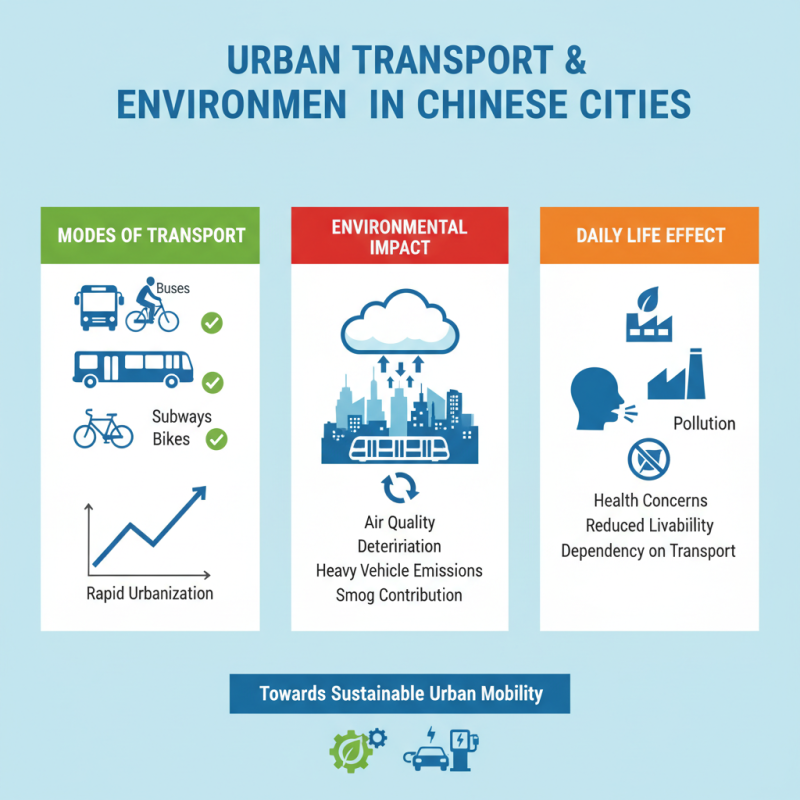
Transportation in Chinese cities plays a vital role in shaping daily life. With rapid urbanization, many residents depend on various modes of transport. Buses, subways, and bikes fill the streets. Yet, the environmental impact of these choices raises concerns. Air quality deteriorates in heavily trafficked areas. Heavy vehicle emissions contribute to smog.
Many city dwellers opt for electric scooters and bikes. These choices help reduce carbon footprints, improving air quality. However, issues arise with overcrowded cycle lanes and improper parking. This leads to chaos on sidewalks. Additionally, advancements in technology provide new solutions. Smart transport systems can enhance traffic flow. But are we ready to make these changes?
Public transport is another critical element. While efficient, it struggles with overcrowding during peak hours. Many feel hesitant to use it due to discomfort. The push for green transport options is growing but not without resistance. People often resist giving up the convenience of cars. It’s essential to weigh our daily habits against their impact on the environment.
Public Transportation Usage Statistics and Trends in China’s Metropolises
Public transportation in China's major cities has seen noteworthy growth in recent years. Statistics show increasing usage trends among city dwellers. In metropolises like Beijing and Shanghai, subways and buses are packed during rush hours. Daily commutes often require careful timing. Crowded vehicles can lead to uncomfortable experiences. This challenge raises questions about infrastructure and service efficiency.
Recent studies indicate that around 40% of urban residents rely on public transport. This reliance highlights the importance of investment in transport systems. While the government has improved services, issues still exist. For example, during peak times, delays can frustrate commuters. Safety concerns over crowding also merit attention. Urban planners must consider these factors for future enhancements.
Moreover, transportation habits influence lifestyle choices. Many people prefer public transit to avoid traffic jams. Yet, the lack of cleanliness in some areas is a concern. As cities evolve, the challenge remains. Balancing capacity with user satisfaction becomes increasingly crucial. Ultimately, understanding how public transport impacts daily life is key to urban development.