Why Truck Shipping is Essential for Efficient Supply Chain Management?
In today's fast-paced world, efficient supply chain management is vital. Truck shipping plays a key role in this process. According to industry expert John Anderson, "Truck shipping is the backbone of the supply chain." It facilitates timely deliveries, connecting manufacturers to retailers.
Truck shipping allows for flexible routes and schedules. This adaptability helps businesses meet changing demands. However, it is not without challenges. Traffic, weather conditions, and fluctuating fuel costs can impact efficiency. Companies must be proactive in addressing these issues.
As we explore the significance of truck shipping, it’s essential to recognize areas needing improvement. Safety regulations and driver shortages are pressing concerns. Despite its importance, many overlook the complexities of truck shipping. Reflection on these aspects can lead to better practices and strategies.
Importance of Truck Shipping in Modern Supply Chains
Truck shipping remains a cornerstone of modern supply chains. It offers unmatched flexibility and speed. Goods can move swiftly from manufacturers to warehouses or retailers. Transporting products over short to medium distances allows quick responses to market demands. This adaptability helps businesses stay competitive.
Moreover, truck shipping supports local economies. Smaller businesses rely on trucks to distribute their products. The logistics are often complex, and delays can occur. These challenges remind us that efficiency is not always guaranteed. Sometimes, unexpected roadblocks can lead to disruptions. However, establishing good relationships with trucking companies can mitigate these issues.
The geographical reach of truck shipping is significant. It can bridge gaps between urban centers and rural regions. Despite its advantages, there are considerations to bear in mind. Emissions from trucks contribute to environmental concerns. Businesses must weigh the benefits against the environmental impact. Finding a balance is crucial for sustainable supply chain management.
Key Benefits of Truck Shipping for Efficient Logistics
Truck shipping plays a crucial role in efficient logistics. It ensures timely delivery of goods across various distances. This mode of transport adapts well to different cargo types, whether perishable food or heavy machinery. With trucks, businesses can respond quickly to changing demands and client needs. Flexibility is a significant advantage of truck shipping.
Tips: Always monitor your delivery times. Delays can lead to unhappy customers. Consider using real-time tracking. It enhances transparency for your clients. A well-planned route can save time and fuel costs.
In urban areas, trucks can access locations that larger vehicles cannot. This accessibility helps maintain inventory levels in stores. However, managing a truck fleet is not always easy. Drivers need proper training to handle diverse deliveries. Also, road conditions can impact efficiency. Regular maintenance checks are essential to avoid breakdowns.
Tips: Keep a consistent maintenance schedule. This practice can prolong vehicle life. Invest in driver training as well. Well-trained drivers improve safety and productivity.
Benefits of Truck Shipping for Efficient Logistics
Challenges and Solutions in Truck Shipping for Supply Chain Management
Truck shipping plays a crucial role in supply chain management.
However, it faces unique challenges. For instance, according to the American Trucking Associations, driver shortages reached 80,000 in 2021.
This shortage leads to delayed shipments and increased costs.
Additionally, fluctuating fuel prices also impact operational efficiency.
A 2022 report from the Energy Information Administration revealed a significant rise in diesel prices, affecting transportation budgets.
Companies struggle to maintain profitability when costs rise. The unpredictability of fuel expense is a pressing concern for many logistics managers.
Weather conditions can disrupt trucking schedules. Severe storms and road conditions create delays, eroding reliability.
Companies must develop contingency plans to mitigate these issues. Investing in technology, such as route optimization tools, can help address some of these challenges.
Implementing real-time tracking also enhances transparency in supply chains, allowing companies to respond quickly.
Integrating Truck Shipping with Other Transportation Modes
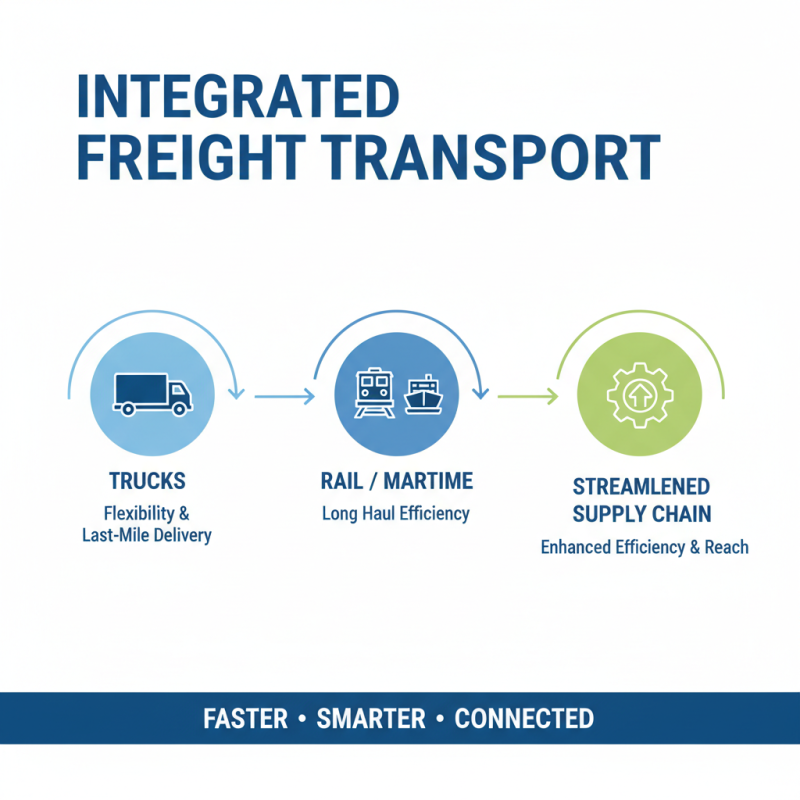
Integrating truck shipping with other transportation modes can streamline supply chain operations. Trucks provide flexibility and reach areas that other modes can't. They are used for last-mile delivery, ensuring goods arrive precisely when needed. When combined with rail or maritime transport, they enhance overall efficiency.
However, this integration isn’t without challenges. Coordination between different transportation forms can be complex. Delays in one mode can ripple through the entire supply chain. Effective communication is critical to minimize disruptions. Real-time tracking technology can help bridge these gaps, offering better visibility.
Mixing these modes also requires careful planning. Capacity issues can arise during peak seasons. Over-reliance on one mode can lead to inefficiencies. Logistics managers must be adaptable, adjusting strategies as market demands shift. Finding the right balance is essential for maintaining a resilient supply chain.
Future Trends in Truck Shipping and Supply Chain Efficiency
Truck shipping plays a critical role in supply chain efficiency. As e-commerce grows, the demand for quick deliveries increases. One notable trend is the rise of digital freight matching. This technology enhances route optimization and reduces downtime. Companies are exploring autonomous vehicles, but challenges still exist. Safety and regulation are concerns that need addressing.
Tips: Use digital tools to streamline logistics. Optimize routes using software to save time and fuel. Keeping track of shipments in real-time can improve transparency.
Sustainability is another key focus in truck shipping. Many companies shift toward eco-friendly practices. Electric trucks are gaining attention, but infrastructure is still lacking. Companies must invest in charging stations and examine the overall cost-effectiveness of these vehicles.
Tips: Explore partnerships with green energy providers. Monitor fuel consumption to identify areas for improvement. Small changes, like route planning, can lead to significant savings.
Why Truck Shipping is Essential for Efficient Supply Chain Management? - Future Trends in Truck Shipping and Supply Chain Efficiency
| Dimension |
Data |
| Average Delivery Time (Days) |
3-5 |
| Freight Cost (% of Total Costs) |
10-15% |
| Emissions Reduction Potential (%) |
20-25% |
| Customer Satisfaction Rate (%) |
85-90% |
| Percentage of On-Time Deliveries |
95% |
| Growth Rate of Trucking Industry (Annual %) |
4% |