Top 10 Amazon Logistics Tips for Global Buyers Today?
In the world of e-commerce, understanding Amazon Logistics is essential for global buyers. This guide will provide practical tips to optimize your logistics experience when using Amazon. Logistics can be complex, especially when dealing with international shipments. Many buyers face challenges such as delays, increased costs, and sourcing problems.
Buyers often overlook the importance of efficient logistics. Delays can cost time and money. It's vital to choose the right shipping method. Utilizing Amazon's Fulfillment by Amazon (FBA) service can significantly streamline the process. However, not all products are eligible, and fees can add up.
Moreover, customs clearance is a critical factor. Buyers must ensure proper documentation to avoid delays. Even small mistakes can lead to significant setbacks. Awareness of these logistics nuances will help in making informed decisions. Embracing knowledge about Amazon Logistics will empower global buyers to navigate challenges effectively.

Understanding Amazon's Global Logistics Framework
Navigating Amazon's global logistics framework can be challenging for many buyers. Understanding the various components is vital. Fulfillment centers play a crucial role in this system. They facilitate faster shipping and inventory management. Buyers should be aware of how these centers operate in different regions.
Shipping options vary significantly between locales. Each country has unique regulations and customs procedures. Keeping track of these details is essential. Some buyers may find it confusing at times. Other considerations include shipping costs and delivery times. These factors directly impact the overall purchasing experience.
Another aspect to consider is returns and refunds. Different regions have diverse policies. Not all items can be returned easily. It is imperative to read the fine print. Buyers should feel confident about their choices but also be prepared for potential complications. Engaging with the logistics framework demands careful attention and proactive adaptation.
Key Considerations for Shipping Costs and Delivery Times
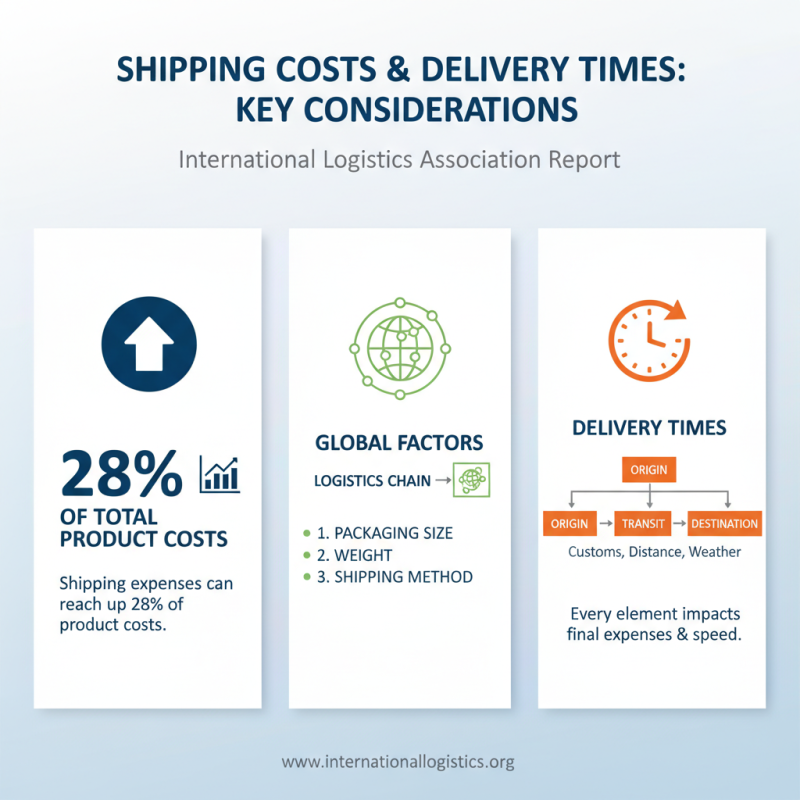
When considering shipping costs and delivery times, a few key factors emerge. According to a recent report by the International Logistics Association, shipping expenses can make up to 28% of total product costs. Global buyers must recognize that every element in their logistics chain can influence these costs. Packaging size, weight, and even the shipping method all play roles in determining the final expenses.
Delivery times are equally important. A survey by FreightWaves indicates that 60% of consumers prioritize quick delivery. Delays can lead to lost sales and decreased customer satisfaction. Understanding the relationship between distance and delivery speed is crucial. For instance, international shipments can take weeks, but expedited services offer a solution for urgent needs. However, this often comes at a higher price.
Buyers should evaluate their priorities carefully. High shipping costs might result from rushed timelines. Analyzing data from previous shipments can reveal trends and help identify opportunities for savings. Logistics can be complex. Balancing cost and time is a learned skill that requires ongoing assessment and adjustment.
Navigating Customs and Import Regulations for International Orders
Navigating customs and import regulations can be daunting for global buyers using Amazon logistics. In 2022, nearly 57% of international shipments faced delays due to customs issues, according to a logistics survey by the International Trade Administration. Understanding these regulations is crucial for a smooth buying experience.
Import duties and taxes vary by country. For instance, the EU has a Value Added Tax (VAT) system that can add 20% or more to the total cost. Researching your destination’s rules is essential. Many buyers overlook the need for proper documentation, which can lead to additional delays. A recent report indicated that 30% of shipments are held up due to incomplete paperwork.
Additionally, it’s important to be aware of prohibited items. Some products may be flagged during inspections, causing further complications. For instance, electronics can require specific certifications. Global online shoppers should continuously update their knowledge about evolving regulations. Engaging with professionals experienced in international trade can provide valuable insights.
Utilizing Amazon's Fulfillment Services for Seamless Transactions
Amazon's fulfillment services have transformed the way global buyers conduct transactions. With over 1.5 million sellers using Fulfillment by Amazon (FBA) as of 2023, sellers gain access to a vast network. This network spans across numerous fulfillment centers worldwide. It simplifies logistics for international buyers by reducing shipping times significantly.
According to the latest industry reports, nearly 90% of Amazon Prime members appreciate the swift delivery options provided through its fulfillment centers. This efficiency not only generates higher customer satisfaction but also boosts sales conversions. As of 2023, over 60% of sellers reported increased revenue after switching to Amazon's logistics.
However, there are challenges to consider. Inventory management remains a critical task. A miscalculation can lead to overstocking or stockouts. Additionally, sellers must navigate complex fees. This can affect profitability if not managed properly. Balancing costs with the benefits of using Amazon's services is crucial for success. Identifying the right shipping strategy is essential for long-term growth in the global market.
Best Practices for Tracking and Managing Shipments Worldwide
Tracking and managing shipments globally can be challenging. With e-commerce growth, optimized logistics is vital. According to the Logistics Management Report, 88% of customers expect real-time shipment tracking. Use technology to meet these demands. Invest in systems that provide visibility at every shipment stage.
Effective communication with suppliers is crucial. Misunderstandings can lead to delays and added costs. A study by Supply Chain Insights shows 56% of logistics issues stem from poor communication. Maintain clear channels to facilitate timely updates. Leverage collaborative tools to share shipment statuses.
Ensure accurate documentation and labeling. Mistakes in paperwork can halt shipments. According to the International Chamber of Commerce, incorrect documents cause 30% of delays. Educate your team on proper procedures. Regularly review processes to identify areas for improvement. Encourage feedback to enhance overall efficiency.