What Are the Benefits of Amazon Logistics in 2026?
In 2026, the landscape of logistics is evolving rapidly, with Amazon Logistics leading the charge. Renowned industry expert Dr. Emily Tran emphasizes, “Amazon Logistics is reshaping how businesses manage supply chains.” With its innovative technology and vast network, Amazon Logistics offers increased efficiency. Companies adapting to this model can benefit from faster delivery times and reduced operational costs.
However, reliance on Amazon Logistics raises questions. Will businesses lose control over their logistics? As more companies integrate this system, the risk of over-dependence could grow. Additionally, challenges such as infrastructure demands and fluctuating demand remain concerns.
Despite these potential drawbacks, Amazon Logistics remains a dominant force. Businesses evaluating this system must weigh the pros and cons carefully. Embracing change is essential, yet caution is equally important. The future of logistics will likely hinge on understanding these dynamics.
Benefits of Enhanced Delivery Speed Through Amazon Logistics in 2026
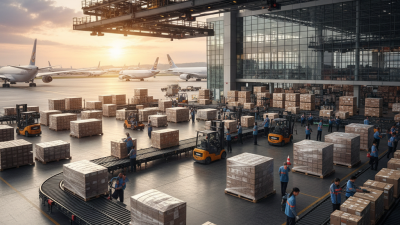
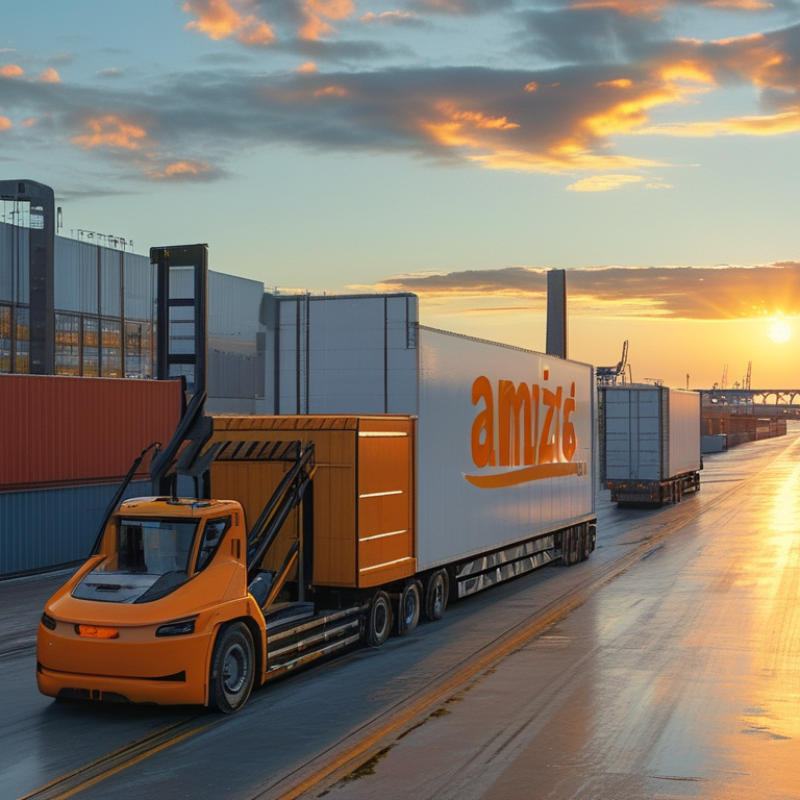
In 2026, the enhanced delivery speed through logistics systems is transformative. Fast deliveries are crucial for businesses and customers alike. With the rise of e-commerce, consumers expect their orders within hours. This demand creates pressure on logistics providers to innovate and adapt.
The evolution of delivery systems includes using advanced algorithms and artificial intelligence. Automated systems streamline sorting and routing packages. Drones and autonomous vehicles are also becoming more common. These technologies promise to reduce delivery times significantly. However, challenges remain in infrastructure and safety regulations. Adapting to new technologies can be slow and complex.
Moreover, faster deliveries have implications for sustainability. More vehicles on the road can increase carbon footprints. Balancing speed with eco-friendliness requires ongoing effort and innovation. Companies must critically evaluate their logistics strategies to prioritize efficiency without harming the environment. Rethinking delivery methods is necessary for progress.
Cost Reductions Achieved by Streamlined Amazon Logistics Operations
In 2026, streamlined logistics operations can offer substantial cost reductions. Efficient routing and improved fleet management can lead to an estimated 15% reduction in shipping costs. According to industry reports, logistics companies that adopt technology-driven solutions experience an average increase in productivity by 25%. This shift allows for lower operational costs while maintaining speed and reliability.
Automation in logistics also plays a pivotal role. By integrating AI and machine learning, companies can optimize warehouse management. Predictive analytics enables better inventory handling. This can reduce storage costs by 20% and minimize waste. However, organizations must be cautious. Over-reliance on technology could lead to vulnerabilities in supply chains.
Investing in local fulfillment centers can yield significant savings too. Studies indicate that regional distribution cuts delivery times by 30%. But managing these centers can pose challenges. The initial setup and ongoing costs require careful evaluation. Balancing costs and efficiency is essential to maintain a healthy bottom line.
Environmental Sustainability Initiatives in Amazon Logistics by 2026
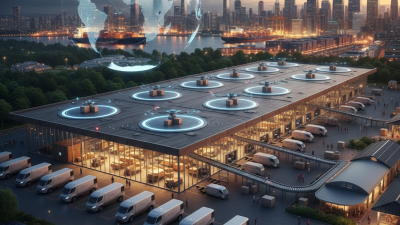
In 2026, logistics operations have made significant strides in environmental sustainability. Many firms in the logistics sector focus on cleaner technologies. Alternative fuels, such as electric and hydrogen, are increasingly used for delivery vehicles. These innovations reduce carbon footprints considerably. Transitioning to renewable energy sources at warehouses is also a notable shift. Solar panels and wind turbines are becoming common sights.
Packaging materials have undergone a transformation as well. Biodegradable and recycled materials are favored over plastic. This change minimizes waste and promotes a circular economy. However, the implementation of these materials is not without challenges. Many businesses still struggle with sourcing these sustainable options affordably.
Investing in green technologies can be costly initially. The financial burden might deter smaller operations from making these transitions. Nonetheless, the long-term benefits often outweigh the upfront costs. Adapting to sustainable practices is essential for not just compliance but also for public perception. As consumers increasingly demand eco-friendly products and services, companies must reflect on their strategies.
Advancements in Technology Utilized by Amazon Logistics for Efficiency
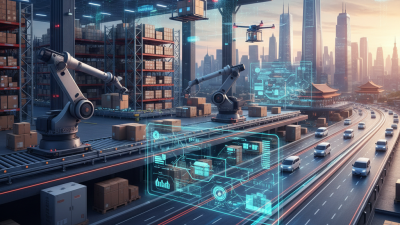
In 2026, Amazon Logistics continues to evolve, embracing advanced technologies for enhanced efficiency. One significant advancement is the implementation of artificial intelligence (AI) to streamline inventory management. According to a 2025 report, companies using AI in logistics saw a 30% reduction in operational costs. AI predicts demand patterns more accurately, allowing for optimized stock levels.
Automation is another key technology. Automated fulfillment centers operate with robots that pick and pack items. This system increases processing speed by 40%, as noted in a 2026 logistics industry analysis. However, while these robots improve efficiency, they also raise questions about job displacement and workforce retraining.
Data analytics plays a crucial role, too. Companies leveraging big data report improvement in delivery times by up to 25%. Yet, reliance on data can lead to over-optimization, causing inflexibility in response to unexpected disruptions. Balancing technology with human insight remains a challenge in this rapidly evolving landscape.
Benefits of Advanced Logistics Technology in 2026
Consumer Experience Improvements Driven by Amazon Logistics Innovations
In 2026, the landscape of consumer logistics has transformed significantly, driven by innovative practices and advanced technology. Many companies are adopting automation to enhance delivery speed. This shift allows for same-day delivery in urban areas. Consumers enjoy real-time tracking, which enhances transparency and trust. They can see where their package is at any moment. It addresses the anxiety of waiting.
However, not all changes have been seamless. Some customers report issues with order accuracy. This can lead to frustration, especially when expectations do not meet reality. While many innovations have streamlined the process, human errors still occur. This highlights the need for continuous improvement. Logistics companies must invest in better training and support for their staff.
Additionally, while technology improves efficiency, it can disconnect consumers from the human aspect of service. Personal interactions can diminish as reliance on automation grows. A balance must be struck between technology and personal touch. Addressing these challenges is crucial for future developments in logistics. Innovations must not only focus on speed but also on the overall consumer experience.