What is Logistics In China and How Can It Benefit You?
Logistics in China plays a crucial role in global trade dynamics. As a leader in manufacturing and e-commerce, China's logistics sector has gained significant attention. John Davis, a logistics expert at a leading consultancy, states, "Understanding the logistics landscape in China is key for businesses aiming to thrive." His insight highlights the importance of navigating this complex industry.
The efficiency of logistics in China impacts supply chains worldwide. From advanced technology to strategic infrastructure, this sector has transformed how goods move. However, challenges persist. For instance, varying regional regulations can complicate operations. Adapting to these complexities is essential for success.
Logistics in China also offers opportunities for innovation. Companies leverage big data to optimize routes and reduce costs. Yet, the fast-paced nature of the market can be overwhelming for newcomers. Recognizing both the potential and the pitfalls is vital for businesses seeking to engage with this dynamic environment.
Understanding the Concept of Logistics in China
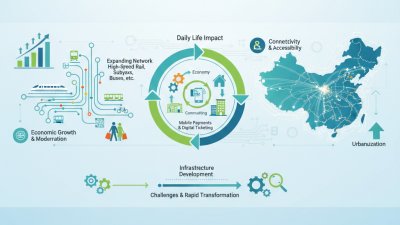
Logistics in China is a complex system that facilitates the movement of goods across its vast landscapes. The country boasts an extensive network of roads, railways, and ports. These networks are crucial for both domestic and international trade. Understanding how logistics works can reveal hidden opportunities for businesses.
In urban areas, last-mile delivery services are gaining prominence. This segment often faces challenges, such as traffic congestion and regulatory hurdles. However, mastering these logistics intricacies can provide competitive advantages. Furthermore, rural logistics remain underdeveloped. This gap presents a chance for innovative solutions. Businesses can explore ideas like local partnerships to enhance service delivery.
The rapid digitization of logistics in China offers both benefits and risks. Technologies such as artificial intelligence and big data are reshaping supply chains. However, companies must navigate data privacy concerns and cyber threats. Balancing efficiency with safety is critical. As the logistics landscape evolves, so should strategies for effective management.
Logistics Performance in China (2023)
This bar chart illustrates the logistics performance across different sectors in China for the year 2023. The data highlights key areas such as Transportation, Warehousing, Supply Chain Management, and Inventory Management.
Key Components of the Logistics Industry in China
The logistics industry in China is complex and dynamic. Key components include transportation, warehousing, inventory management, and information technology. Each plays a vital role in keeping the supply chain efficient.
Transportation is especially crucial. It involves shipping goods via road, rail, air, and sea. Understanding the best method for your needs can save costs and time. However, overcrowding in major ports can cause delays. Always check current conditions when planning shipments.
Warehousing also has its challenges. Facilities must be strategically located to ensure quick access to markets. Invest in supply chain management software to improve efficiency. Real-time inventory tracking can prevent overstocking and stockouts, which can impact sales.
Tips: Always analyze logistics routes for potential delays. Regularly review your shipping partners for better rates. Don't overlook the importance of technology. It can streamline operations and enhance communication.
What is Logistics In China and How Can It Benefit You? - Key Components of the Logistics Industry in China
| Component |
Description |
Benefits |
Challenges |
| Transportation |
The movement of goods via road, rail, air, and sea. |
Increased speed and efficiency in delivering products. |
Infrastructure limitations in certain regions. |
| Warehousing |
Storage facilities for goods before they are distributed. |
Cost-effective inventory management. |
High real estate costs in urban areas. |
| Supply Chain Management |
The active management of supply chain activities. |
Improved operational efficiency and reduced costs. |
Complexity and need for coordination among partners. |
| Inventory Management |
Overseeing the flow of goods and products. |
Optimized inventory levels to meet demand. |
Risk of overstocking or stockouts. |
| Technology in Logistics |
Use of software and hardware to enhance logistics operations. |
Enhanced data collection and tracking capabilities. |
Need for continuous updates and training. |
The Role of Technology in Enhancing Logistics Efficiency
The logistics sector in China is evolving rapidly, driven significantly by advancements in technology. According to a report by the China Logistics and Purchasing Federation, the logistics market is expected to grow at an annual rate of 10% over the next five years. Efficient logistics can lead to substantial cost savings, enhanced customer satisfaction, and improved inventory management.
Digital transformation plays a vital role in achieving these goals. Technologies such as Artificial Intelligence and Big Data analytics are being embraced to optimize supply chain operations. A study by McKinsey revealed that companies adopting AI can reduce logistics costs by up to 20%. However, the integration of new technologies is not always smooth. Challenges such as system compatibility and workforce training must be addressed.
Moreover, the reliance on technology can also lead to vulnerabilities. Cybersecurity threats are a growing concern, as logistics companies become increasingly digital. The 2022 Cybersecurity Threat Report indicated a 40% increase in cyberattacks targeting supply chains. Thus, while technology can enhance efficiency, organizations must remain vigilant against potential risks. Balancing innovation with security is crucial for sustainable growth in China’s logistics industry.
Benefits of Efficient Logistics for Businesses in China
Efficient logistics in China plays a crucial role for businesses.
It streamlines operations and reduces costs, making products reach customers faster. Companies can optimize supply chains to avoid delays.
Timely deliveries enhance customer satisfaction, encouraging repeat purchases.
Logistics also facilitates better inventory management. Businesses can respond to market demands swiftly.
This adaptability is essential in a rapidly changing economy. Efficient logistics minimizes wasted resources and enhances overall productivity.
However, challenges still exist, such as navigating regulations or understanding local markets.
Maintaining communication with logistics partners is vital. Poor communication can lead to misunderstandings and inefficiencies.
Businesses should regularly assess their logistics strategies. Continuous improvement is necessary to stay competitive.
Emphasizing logistics is not just about cost-cutting; it’s about building resilience in a diverse market.
Making logistics a priority can lead to sustainable growth and long-term success.
Challenges and Opportunities in China's Logistics Sector
Logistics in China faces both challenges and opportunities. The rapid growth of e-commerce has created a high demand for efficient logistics. However, congestion in major cities can delay shipments. Logistics companies must navigate complex regulations and rapidly changing consumer expectations.
One key issue is the infrastructure strain. Major highways and ports often experience heavy traffic. Facilities may not keep up with the growth in demand. This creates bottlenecks that can impact delivery times. Companies need to invest in technology, such as AI, to improve route planning and inventory management.
Despite the challenges, there are significant opportunities. China's vast market offers potential for logistics innovation. Companies that adapt quickly can capture market share. Sustainability is becoming more important. Firms that prioritize eco-friendly practices may attract additional business. Balancing speed, cost, and environmental impact remains a critical focus.