How to Optimize Railway Transportation for Global Sourcing Needs?
In today's global sourcing landscape, optimizing Railway Transportation is paramount. The industry faces numerous challenges, including efficiency and environmental concerns. According to a report by the International Union of Railways, global rail freight volumes are projected to grow by 30% by 2030. This growth necessitates a reevaluation of current transportation strategies.
Expert Richard Johnson, a key player in Railway Transportation, emphasizes, "Innovative logistics solutions are crucial to meet expanding demands." His insight highlights the need for modernization in rail systems. While there is potential for improvement, ongoing issues like track congestion and aging infrastructure hinder progress.
To address these challenges, companies must leverage technology and data analytics. Predictive maintenance and real-time tracking can enhance operational efficiency. However, many rail systems still rely on outdated practices, pointing to an industry in need of urgent reform. Adaptability and forward-thinking are essential to harness the full potential of Railway Transportation for global sourcing needs.
Global Demand for Efficient Railway Transportation in Sourcing
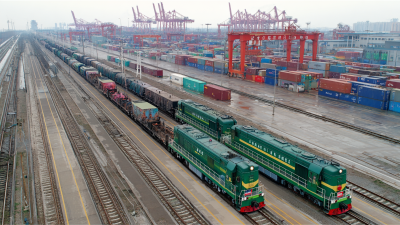
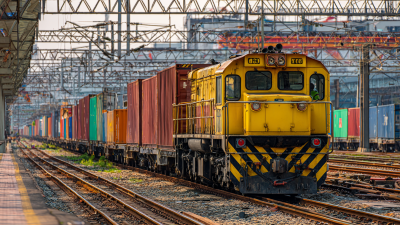
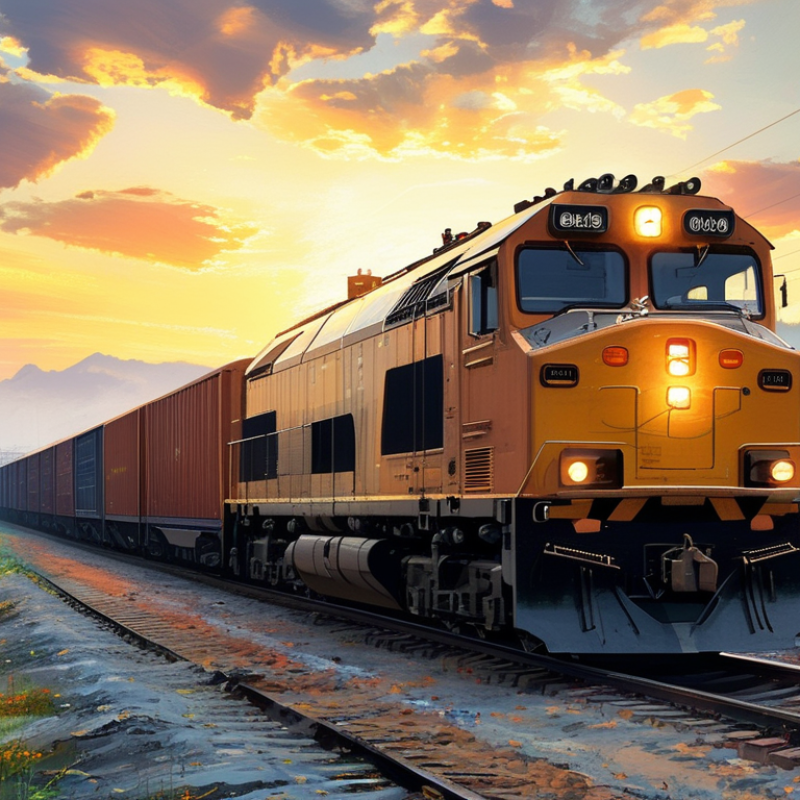
Railway transportation has become a crucial aspect of global sourcing. As businesses seek efficient solutions, the demand for reliable rail services rises. Many countries rely on trains to move goods swiftly across vast distances. This method reduces delays and improves supply chain efficiency. However, challenges persist.
Inefficient logistics can hurt operational integrity. Delays may occur due to infrastructure limitations. For example, aging tracks often require maintenance. This can halt operations and lead to disruptions. Companies must work closely with authorities to enhance railway networks. Upgrading facilities ensures faster transportation times.
Data-driven insights play a role in improving performance. Monitoring key metrics allows for adjustments in real time. Companies that embrace technology can better predict delays. Implementing real-time tracking systems enhances visibility. Yet, not all companies utilize these tools effectively.
Investing in training for staff can bridge this gap. Proper education leads to a more adept workforce. Improved communication between suppliers and transport services is essential for seamless operations.
Current Statistics on Railway Freight Capacity and Utilization Rates
Railway freight capacity is crucial for global sourcing, connecting manufacturers and consumers. Recent statistics show that the overall railway freight capacity utilization rate is approximately 70%. This means many resources are not being utilized efficiently. In some regions, railways operate at less than 50% capacity. Such underutilization poses challenges for timely delivery.
To optimize railway transportation, stakeholders must rethink logistics. Collecting data on shipment volumes and routes can help identify underused lines. Improving scheduling and integrating technology can make a significant impact. Regular assessments will reveal opportunities for further enhancements.
Tips: Always analyze data before making changes. Small adjustments can lead to better performance. Collaborate with other stakeholders to share best practices. Engaging with experts can also bring in new insights into capacity management. Reflect on past failures to avoid repeating them.
Innovative Technologies Enhancing Railway Efficiency and Sustainability
Innovative technologies are shaping the future of railway transportation. Digitalization plays a crucial role in enhancing efficiency. Advanced data analytics helps optimize train schedules. Real-time tracking systems allow for better fleet management. These tools minimize delays and maximize capacity.
Sustainability is another key focus. Electrification of rail systems reduces carbon emissions. Renewable energy sources, such as solar, are being integrated into railway operations. However, the transition isn’t without challenges. Infrastructure upgrades can be costly and time-consuming. Misalignment between old systems and new technologies can create operational inefficiencies.
Another important aspect is the use of automation. Autonomous trains promise enhanced safety and efficiency. Yet, the technology raises concerns about reliability and human oversight. Continuous improvement and adaptation are necessary. The railway industry must navigate these complexities to fully realize the potential of innovative solutions. The journey toward optimization is ongoing and requires commitment.
Integration of Multimodal Transport Solutions for Global Supply Chains
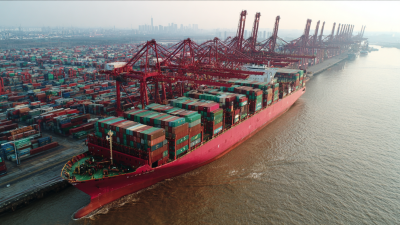
In the era of global sourcing, integrating multimodal transport solutions is crucial. Rail transport plays a vital role in this integration. It enhances connectivity and efficiency, linking various transport modes. Using rail for long distances reduces carbon emissions compared to road transport. This shift supports sustainable practices in global supply chains.
However, challenges remain. Coordination between different transport systems can be complex. Delays in one mode can impact the entire supply chain. Additionally, infrastructure limitations in certain regions may hinder rail usage. Organizations must address these obstacles to optimize their logistics. Strategic planning and robust partnerships are essential in overcoming such barriers.
Investing in technology can improve data sharing among transport modes. Real-time tracking of shipments enhances visibility. It allows for proactive adjustments to minimize disruptions. Nevertheless, companies must remain adaptable. The dynamic nature of global markets requires continuous reevaluation of strategies in multimodal transport.
How to Optimize Railway Transportation for Global Sourcing Needs?
| Mode of Transport |
Efficiency (Tons per km) |
Transit Time (days) |
Cost (USD per Ton) |
Carbon Emissions (kg CO2 per Ton) |
| Rail Freight |
0.1 |
7 |
150 |
20 |
| Road Transport |
0.05 |
5 |
250 |
80 |
| Sea Freight |
0.02 |
30 |
100 |
15 |
| Air Freight |
0.005 |
2 |
2000 |
500 |
| Intermodal Transport |
0.03 |
10 |
180 |
25 |
Regulatory Challenges and Solutions in Global Railway Freight Transportation
In global railway freight transportation, regulatory challenges are significant. Different countries have varied regulations, complicating logistics. These differences can lead to delays and increased costs. Additionally, safety regulations often fluctuate based on regional standards. Compliance becomes a daunting task for businesses aiming to optimize their supply chains.
One critical issue is the harmonization of policies. The lack of unified standards can create misunderstandings among stakeholders. For instance, some countries may have stricter safety inspections or documentation requirements. This inconsistency can disrupt schedules and impact delivery timelines. Companies should invest in training staff to better navigate these regulations. Understanding the complexities of international freight laws is key.
While there are solutions, such as working with experienced logistics partners, challenges still exist. Often, regulations change unexpectedly, prompting further adjustments. Businesses must remain adaptable and continuously evaluate their compliance strategies. Regular engagement with regulatory bodies can help identify upcoming changes. Building strong relationships within the industry can also facilitate smoother operations despite these hurdles. Overall, facing these regulatory challenges requires proactive measures and constant vigilance.