Sea Logistics Tips for Efficient Global Sourcing and Shipping?
In today's interconnected world, efficient global sourcing and shipping are essential for businesses. The importance of "Sea Logistics" in this process cannot be overstated. Renowned Sea Logistics expert, Dr. Emily Sanders, once stated, "Navigating sea logistics requires foresight and strategic planning." This insight highlights the complexity of managing shipping operations effectively.
Every shipment is unique and presents various challenges. Businesses must understand the nuances of "Sea Logistics," including port capabilities and seasonal factors. Poor planning can lead to delays and increased costs. For example, a lack of awareness about peak shipping seasons may result in missed deadlines.
Moreover, companies should continuously evaluate their supply chain strategies. What works today might not be effective tomorrow. Embracing technology and data analytics can improve decision-making. Mistakes happen, but each misstep offers a chance for growth. By refining their approach to "Sea Logistics," businesses can enhance efficiency and ultimately boost their bottom line.

Understanding the Basics of Sea Logistics in Global Sourcing
Understanding sea logistics is crucial for efficient global sourcing. The global shipping market is projected to reach
$12.3 trillion by 2026, according to a recent report by Allied Market Research. This growth emphasizes the need for businesses to master the basics of sea logistics.
Key factors include choosing the right routes, understanding shipping schedules, and knowing the customs procedures. A small delay can result in significant losses.
Ship sizes have increased dramatically in recent years. For instance, the capacity of the largest container ships has exceeded 24,000 TEUs. This change can lead to lower transportation costs per container.
However, larger vessels may experience longer loading and unloading times at ports. Businesses must weigh these factors when planning logistics. Effective communication with suppliers and carriers helps mitigate risks associated with transit delays.
Moreover, adherence to international regulations is vital. For example, the International Maritime Organization (IMO) has strict guidelines regarding emissions.
Non-compliance can result in hefty fines and operational disruptions. Companies must continuously educate their teams on these regulations to ensure smooth operations.
Understanding these elements enriches sourcing strategies and enhances overall supply chain efficiency.
Key Factors Influencing Cost-Effective Sea Shipping
When considering sea logistics for global sourcing, several key factors come into play. Understanding these can help businesses minimize costs effectively. One major factor is the choice of shipping routes. Shorter routes can reduce transit time and fuel expenses. Researching reliable shipping lanes is crucial.
Another important element is container utilization. Maximizing the space within containers is essential. Finding the right balance between weight and volume can save money. Sometimes, firms underestimate the impact of underutilization on overall shipping costs. Each unfilled space increases expenses unnecessarily.
Additionally, port fees can vary significantly. Some ports are more efficient than others. High turnaround times can lead to added charges. Evaluating different ports can reveal cost-saving opportunities. Without proper analysis, companies may overlook feasible options. Taking these factors into account is vital for cost-effective sea shipping solutions.
Optimizing Container Capacity for Efficient Logistics
Optimizing container capacity is crucial for effective sea logistics. Maximizing space in shipping containers not only reduces costs but also enhances the overall efficiency of global sourcing. To achieve this, businesses should carefully assess the dimensions of their products. Custom packaging solutions can be implemented to make better use of available space. Streamlining the packaging process is essential. Every inch counts.
Collaboration with shipping companies plays a vital role in maximizing capacity. Regular communication can lead to insightful strategies for loading containers. It’s also wise to analyze past shipping data. This can uncover trends that help in decision-making. Adjustments in loading methods might also improve efficiency. However, gaps often exist in optimizing these aspects.
It’s key to remember that perfection can be elusive. Even the best-laid plans may encounter unexpected challenges. Weather disruptions, loading delays, or damaged goods can impact logistics. Flexibility in operations allows businesses to adapt and stay efficient. Regular evaluations of procedures help identify areas for improvement. It’s a continuous journey towards achieving logistical excellence.
Sea Logistics: Optimizing Container Capacity for Efficient Logistics
This bar chart illustrates the container capacity utilization over four quarters, highlighting the efficiency of global sourcing and shipping in sea logistics. As shown, the utilization rate has consistently increased, showcasing effective strategies in optimizing logistics operations.
Navigating Customs Regulations for Smooth Shipping Processes
Navigating customs regulations is crucial for successful global shipping. In 2021, nearly 70% of supply chain professionals reported customs delays impacting delivery times, underscoring the importance of efficient processes. Mistakes in customs documentation and misclassification of goods can lead to costly fines and delays. Each country has unique requirements. Staying updated on changes is essential.
Knowing the specific regulations for each destination is pivotal. A recent study indicated that 60% of shipments face issues due to compliance errors. Utilizing a customs broker can streamline the process. These professionals stay informed about regulations and can help ensure that paperwork is accurate. Relying solely on internal staff for customs may introduce risks.
Often, businesses underestimate the significance of thorough documentation. Inaccuracies can lead to prolonged inspections, affecting overall logistics. Careful compliance leads to smoother processes and better relationships with customs authorities. Investing time in understanding customs regulations pays off. It’s an ongoing challenge, but essential for long-term success in global sourcing.
Best Practices for Risk Management in Sea Logistics Operations
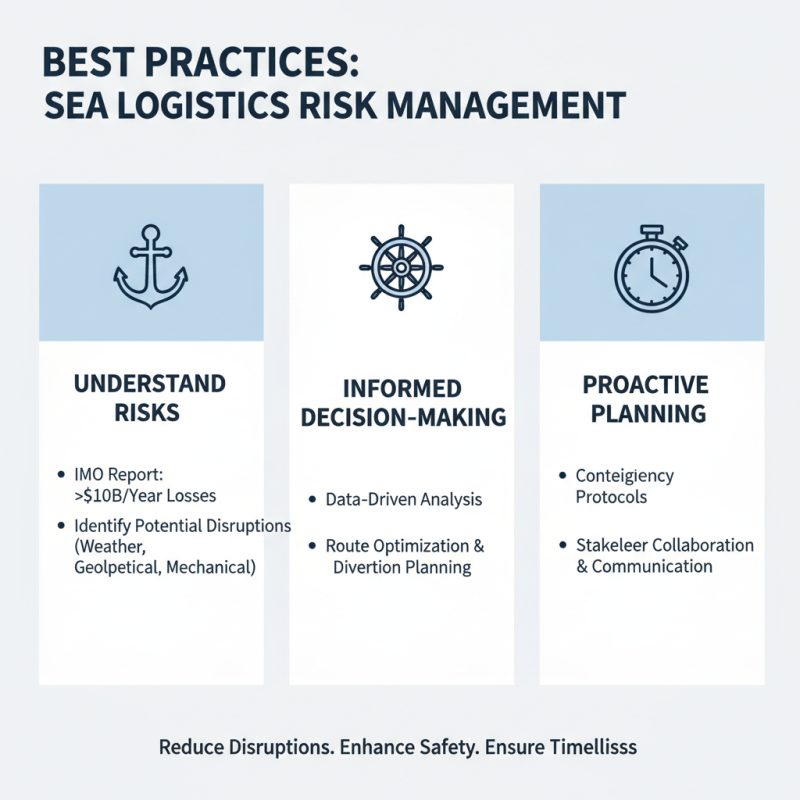
In the realm of sea logistics, risk management is paramount. According to a report by the International Maritime Organization, shipping incidents can lead to losses exceeding $10 billion annually. Understanding these risks helps companies make informed decisions. Effective planning is essential in reducing unforeseen disruptions.
Investing in technology enhances visibility across the supply chain. This technology can forecast potential issues, like weather delays or port congestion. A research piece from the Global Maritime Forum noted that predictive analytics can reduce delays by up to 30%. Yet, reliance on technology should not blind firms to traditional risk factors, such as geopolitical tensions or piracy threats.
Collaboration with logistics partners is vital. Many firms fail to establish clear communication channels, leading to avoidable mistakes. Frequent training and drills for staff can prepare them for various scenarios. This proactive approach can mitigate risks and build resilience. Engaging a diverse range of stakeholders increases awareness and allows for better responses. When done right, it creates a robust framework for successful sea logistics operations.