Top 10 Transportation Options in China for Global Buyers?
In the rapidly evolving landscape of global trade, understanding the "Transportation In China" options is crucial for international buyers. Renowned logistics expert Dr. Wei Chen once stated, "Navigating China's transportation network requires both knowledge and adaptability." This highlights the importance of being well-versed in various transportation modes available in the country.
China offers a diverse array of transport options. From railways to air freight, every choice has its nuances. Each method presents unique advantages and challenges. For example, high-speed trains can greatly reduce delivery times, yet may not always connect remote areas. Similarly, while air freight is swift, it can be cost-prohibitive for smaller shipments.
Engaging in "Transportation In China" demands careful consideration. Buyers must weigh factors such as cost, speed, and reliability. The right choice can lead to significant savings and efficiency, while the wrong one may result in delays or additional expenses. Every decision echoes throughout the supply chain, warranting thorough reflection and strategic planning.

Overview of Transportation Options in China
In China, transportation options are vast and varied, catering to global buyers' needs. The country's robust infrastructure supports a diverse range of methods for moving goods efficiently. Rail transport is popular for bulk shipments. It offers a reliable alternative for reducing costs while maintaining speed.
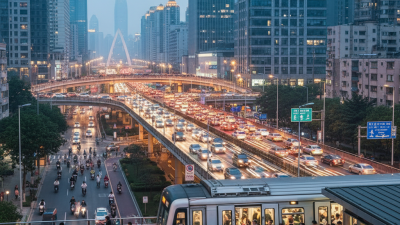
Road transport provides flexibility. It allows door-to-door delivery. However, traffic congestion can cause delays. Sea freight is an essential option, especially for international deliveries. While it's cost-effective, transit times can be lengthy. Air freight, on the other hand, offers speed and efficiency. Yet, it comes with higher costs.
Navigating China's transportation landscape requires careful planning. Each mode has its pros and cons. Weighing cost against time and reliability is crucial. Additionally, understanding regional differences can impact choices. It's not perfect, but with thoughtful consideration, buyers can optimize their shipping strategies in China.
Rail Transport: High-Speed Trains and Freight Services
Rail transport in China is a cornerstone of its logistics network. The country boasts the world's longest high-speed rail system. These trains cover vast distances, connecting major cities like Beijing and Shanghai in under five hours. They offer comfort and speed, appealing to both passengers and freight services.
Freight services are also evolving rapidly. High-speed rail can transport cargo efficiently, drastically reducing delivery times. However, the system has its flaws. Capacity can sometimes be limited, leading to delays in shipments. Despite this, rail remains a reliable choice for many global buyers. It combines speed and economic benefits that are hard to match.
Monitoring schedules and routes is crucial. Not all freight options are equally accessible. Balancing speed with reliability is often a challenge. Buyers must assess their specific needs to select the best option. This complexity highlights the ongoing growth and refinement of rail transport in China. Each decision requires careful consideration to navigate the landscape successfully.
Top 10 Transportation Options in China for Global Buyers - Rail Transport: High-Speed Trains and Freight Services
| Transport Type |
Speed (km/h) |
Capacity (Tons) |
Distance (km) |
Cost (CNY) |
| High-Speed Passenger Train |
300 |
500 |
1000 |
300 |
| Freight Train |
100 |
1000 |
1500 |
200 |
| Intercity Train |
160 |
400 |
800 |
250 |
| Metro/Subway |
80 |
100 |
50 |
60 |
| Urban Light Rail |
70 |
200 |
30 |
50 |
| High-Speed Cargo Train |
120 |
1500 |
1200 |
350 |
| Freight Transit Train |
90 |
800 |
2000 |
180 |
| Specialized Cargo Trains |
80 |
1200 |
1600 |
220 |
| Bulk Cargo Train |
100 |
2000 |
1800 |
260 |
| Express Rail Service |
250 |
300 |
500 |
400 |
Road Transport: Buses, Trucks, and Delivery Vehicles
Road transport plays a crucial role in China's logistics system.
The country boasts an extensive network of buses, trucks, and delivery vehicles. These options are vital for moving goods across vast distances.
Buses help connect cities, providing efficient public transportation.
They are often seen bustling on highways, carrying passengers and cargo alike.
Trucks, on the other hand, are the backbone of freight transport.
China has a diverse fleet of trucks, from small vans to large freight vehicles. This flexibility allows businesses to choose the right type of vehicle for their needs.
However, road congestion is a significant challenge. Many routes face heavy traffic, slowing down deliveries and increasing costs.
Delivery vehicles, especially in urban areas, are becoming increasingly important.
As e-commerce grows, so does the need for quick and reliable delivery. Many cities are adapting to include bicycle couriers and electric vehicles to reduce pollution.
Yet, the infrastructure in some areas struggles to keep pace. Overall, while the road transport options in China are diverse, they come with their own set of challenges that need careful consideration.
Air Transport: Domestic Flights and Cargo Services
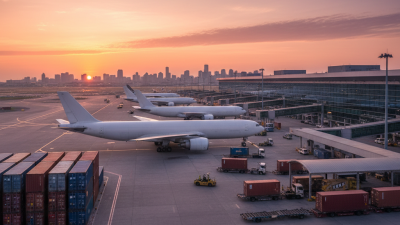
Air transport in China remains a vital option for global buyers seeking efficiency and speed. Domestic flights connect major cities, allowing for swift movement of goods. Airports are strategically located, which enhances accessibility. Frequent flights minimize delays and enhance supply chain reliability. Cargo services across these routes ensure that items can be transported quickly, which is essential for time-sensitive shipments.
While air transport offers significant advantages, challenges exist. Routinely, air traffic congestion and weather conditions can impact schedules. Not every airport has equal cargo capacity, so some locations experience bottlenecks. This inconsistency can lead to planning difficulties for businesses dependent on timely deliveries. Buyers must factor in these potential hiccups when relying on air transport for their logistics needs.
Moreover, understanding Air Cargo regulations is critical. Each route may have specific requirements. Failing to comply can result in delays or extra fees. Global buyers must remain vigilant and informed about these regulations. This knowledge is essential for ensuring a smooth transportation process while leveraging the strengths of air transport in China.
Maritime Transport: Shipping and Ports in China
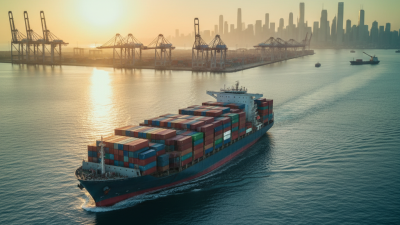
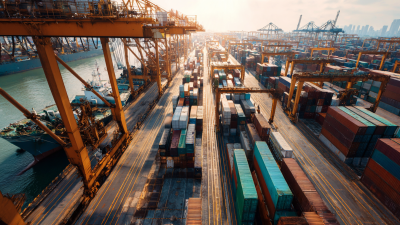
Maritime transport is a cornerstone of global trade, especially in China. The country boasts numerous ports, facilitating efficient shipping routes. Major ports like Shanghai and Shenzhen are crucial for handling large volumes of cargo. These ports have undergone significant upgrades to support the growing demand. Investing in port infrastructure contributes to faster and more reliable shipping options for businesses everywhere.
Tips: Always check the shipping schedules before planning your logistics. Delays can happen due to weather or congestion. It’s wise to account for potential disruptions.
China’s shipping industry has a unique advantage. It connects the East and West through well-established maritime routes. However, global buyers must navigate customs regulations and paperwork. Such complexities can sometimes lead to delays. Engaging with logistics experts can help streamline these processes. Understanding regional nuances is essential for smooth operations.
Tips: Familiarize yourself with local regulations. This knowledge can save time and mitigate risks. Don’t overlook the importance of communication with your shipping partners.
Top 10 Transportation Options in China for Global Buyers