The Ultimate Guide to Amazon Logistics for Global Sourcing?
In today's global marketplace, businesses must leverage efficient supply chains to stay competitive. Amazon Logistics has emerged as a vital player in this landscape. Many companies seek to harness its capabilities for global sourcing. With the right strategies, organizations can streamline their logistics operations, ensuring timely delivery and reduced costs.
Understanding Amazon Logistics is essential for international procurement. This service offers robust tools tailored for businesses of all sizes. However, navigating its complexities requires expertise. Companies often face challenges that may seem daunting at first. For instance, determining the best fulfillment options can be overwhelming. Yet, these challenges provide opportunities for growth and improvement.
Embracing Amazon Logistics involves recognizing both its advantages and potential pitfalls. Some may find it hard to adapt to constant changes in Amazon's policies. Successful sourcing demands diligence and continuous learning. By mastering these logistics, businesses position themselves for long-term success in a rapidly evolving market.

Understanding Amazon Logistics: An Overview of the Ecosystem
Amazon logistics forms a complex network that supports global sourcing. Navigating this ecosystem requires knowledge and strategy. Understanding how each component interacts is vital for success. From warehousing to delivery, every step counts.
At the heart of Amazon logistics is inventory management. Sellers need to keep track of stock levels constantly. Mismanagement can lead to lost sales or excess inventory. Accurate data can help prevent these pitfalls. However, reliance on automated systems may introduce errors. Regular audits are crucial to maintaining accuracy.
Shipping options vary significantly based on destination. Knowing the costs and timeframes is essential when planning shipments. Choosing the right carrier is not always straightforward. Sometimes, lower costs lead to slower services. Weighing quality against expense is an ongoing challenge for many sellers. Understanding this balance is key to optimizing logistics within the vast Amazon ecosystem.
Key Components of Amazon Logistics for Global Sourcing
Amazon Logistics plays a critical role in global sourcing. It streamlines processes, enhances efficiency, and reduces costs. According to recent studies, 79% of customers say same-day delivery influences their shopping decisions. Efficient logistics can lead to increased customer satisfaction and loyalty.
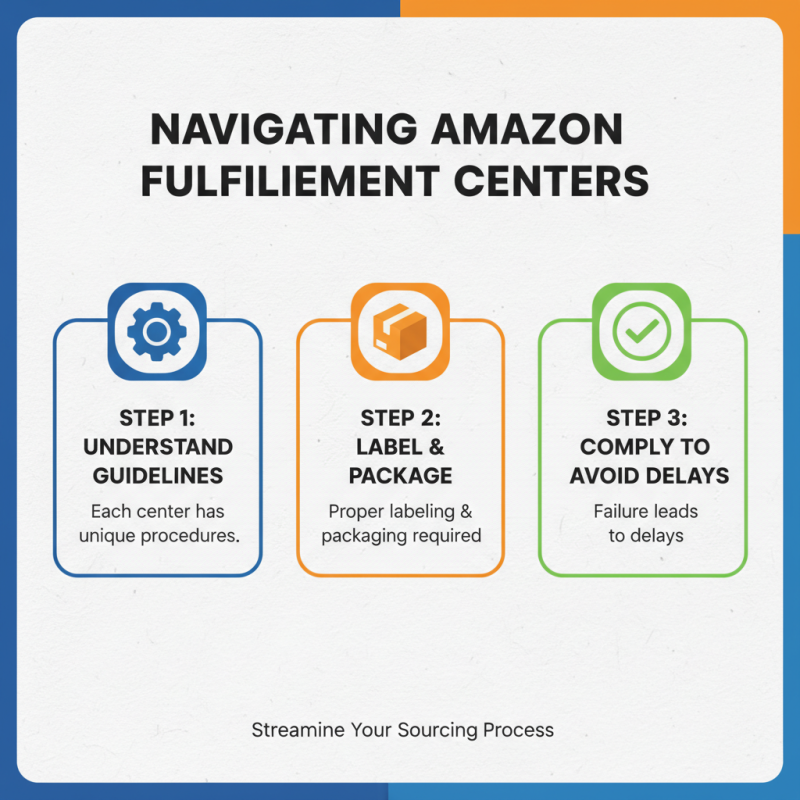
Key components of Amazon Logistics include the Fulfillment Centers, which are strategically located worldwide. These centers utilize advanced technology to optimize inventory management. In 2022, Amazon reported over 175 fulfillment centers globally. They help sellers store products closer to customers, reducing shipping times and costs. However, reliance on these centers presents challenges the sourcing businesses must address.
Transportation networks are also vital. Amazon's extensive delivery system, which includes air, road, and sea cargo, meets different shipping needs. Nevertheless, complexities arise from navigating customs regulations and fluctuating international shipping costs. In late 2021, costs for global freight were reported to have increased by 200%. Companies need to adapt and find ways to mitigate these rising expenses while ensuring timely deliveries.
The Ultimate Guide to Amazon Logistics for Global Sourcing
This bar chart illustrates the key components of Amazon Logistics in the context of global sourcing, including Shipping Time, Cost Efficiency, Inventory Management, Fulfillment Speed, and Tracking Accuracy. Each component is vital for optimizing the sourcing process on Amazon platforms.
Strategies for Efficiently Using Amazon Logistics in Global Sourcing
When integrating Amazon Logistics into global sourcing, efficiency is crucial. One effective strategy is to leverage their fulfillment centers strategically located worldwide. These centers help reduce shipping times and costs, enabling quicker delivery to customers. It’s vital to analyze the geographical distribution of your customers and choose fulfillment centers accordingly.
**Tips:** Always keep an eye on the seasonal demand fluctuations. Adjust your inventory levels based on historical data to avoid stockouts. Consider utilizing Amazon's tools for real-time inventory tracking, which can enhance your decision-making process.
Another approach is to optimize packaging and bulk shipments. Streamlining packaging can reduce shipping costs significantly. Finding the right balance between product protection and minimizing weight is essential. Additionally, consider testing different box sizes and weights to identify the most cost-effective solutions.
**Tips:** Regularly review your shipping and packaging strategies. There’s always room for improvement. Engage in conversations with logistics partners to gather insights on better practices.
The Ultimate Guide to Amazon Logistics for Global Sourcing
| Dimension |
Description |
Key Metric |
Best Practice |
| Warehousing |
Efficient storage solutions to minimize costs |
Storage Cost per Unit |
Optimize storage layout and inventory turnover |
| Fulfillment |
Strategies to meet customer demands |
Order Fulfillment Time |
Implement automated processes and track metrics |
| Shipping |
Reliable delivery options for global reach |
Shipping Cost per Order |
Negotiate rates with carriers and optimize routes |
| Returns Management |
Streamlined process for handling returned goods |
Return Rate |
Create clear return policies and enhance customer communication |
| Compliance |
Adhering to international trade regulations |
Compliance Audit Success Rate |
Regularly update knowledge on regulations |
Challenges and Solutions in Amazon Logistics for Global Sourcing
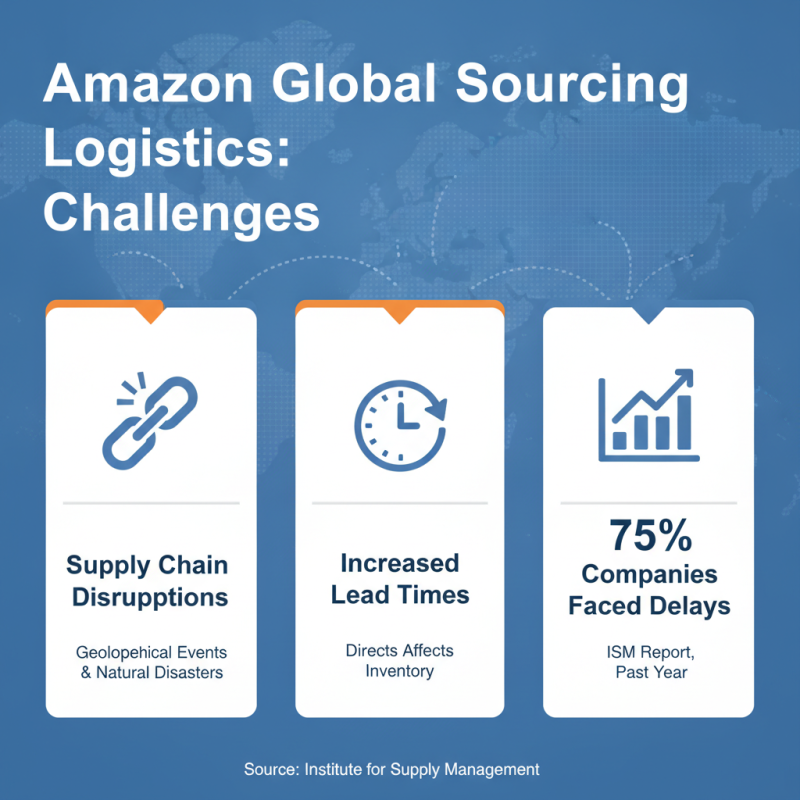
Navigating Amazon logistics for global sourcing presents numerous challenges. Supply chain disruptions can occur due to geopolitical events and natural disasters. According to a report from the Institute for Supply Management, 75% of companies faced delays in their supply chains in the past year. These disruptions can lead to increased lead times, which directly affect inventory management.
Another critical issue is the complexity of customs regulations. Importing goods requires adherence to multiple regulations across various countries. A study by the World Bank indicates that 30% of global trade delays stem from customs clearance. Companies often struggle to keep pace with changing regulations, leading to unplanned costs. Failure to comply can also result in fines or confiscated goods.
Moreover, shifting consumer expectations place additional pressure on logistics. The demand for faster delivery options is rising. According to a recent survey, 62% of consumers are willing to pay extra for same-day delivery. This expectation challenges companies to rethink their logistics strategies. Some businesses may need to invest in technology and infrastructure to meet these demands. They must evaluate their logistics partners to ensure timely delivery and reliability in a constantly changing environment.