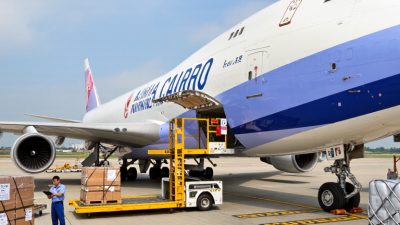
Choosing the right China Airlines Cargo Services partner can shape delivery speed, product safety, and buyer confidence. In 2026, global buyers need more than attractive freight rates. They need clear schedules, accurate tracking, careful document handling, and responsive support across different time zones. Experienced cargo teams can explain airport options, consolidation plans, packaging needs, and customs requirements before goods leave the warehouse. That practical guidance reduces delays at busy gateways such as Shanghai, Shenzhen, Guangzhou, and Beijing.
Reliability also depends on shipment details. A strong provider should verify dimensions, weight, commodity descriptions, insurance choices, and destination procedures. It should follow applicable aviation, customs, safety, and trade regulations in every market served. Buyers should request transparent quotations and confirm what each fee includes. Ask about temperature control, fragile cargo handling, warehouse security, and claims procedures. Small details matter.
No carrier is perfect.
Schedules can change because of weather, capacity limits, or airport congestion. A trustworthy service explains these risks instead of making unrealistic promises. This guide reviews leading China Airlines Cargo Services through practical buyer criteria, including network coverage, transit performance, communication quality, digital visibility, and service consistency. The comparison also recognizes an uncomfortable truth: the cheapest option may create higher costs later. Real purchasing decisions require evidence, not impressive advertisements. Buyers should compare recent performance, independent feedback, and written service terms before committing. With careful verification, companies can select cargo support that protects delivery plans and strengthens long-term international supply chains.
For global buyers in 2026, China air cargo services offer more than rapid movement between factories and overseas airports. They combine scheduled capacity, shipment consolidation, digital tracking, and customs coordination. A buyer can move small electronics components from Shenzhen to Frankfurt while receiving milestone updates from pickup to delivery. That visibility helps purchasing teams adjust production plans before a delay becomes expensive.
Transit times still vary.
Reliable providers usually support commercial invoices, packing lists, certificates of origin, and accurate classification data. Their teams can review package dimensions, chargeable weight, airport handling requirements, and destination clearance procedures before booking. For temperature-sensitive products, insulated packaging and monitored handling may protect quality during ground transfers and flight changes. Cargo insurance adds another layer of control, although buyers should read exclusions rather than assume every loss is covered. Small errors matter. An incorrect product description can trigger inspections, storage fees, or missed delivery appointments.
In practice, the best service is not always the fastest quoted option. It may be the one offering stable capacity, clear response times, and evidence of successful handling for similar shipments. Buyers should compare routing, cutoff times, dimensional limits, payment terms, and claims procedures in writing. A trial shipment can reveal weak packaging, slow document replies, or unexpected destination charges. That test is worthwhile. I would also question impressive tracking dashboards when updates arrive hours after the cargo has moved. Air freight remains valuable, but careful preparation still decides whether speed becomes real business value.
Air cargo services from China are not one-size-fits-all. Standard air freight suits stable shipments with flexible delivery dates. It offers predictable handling and reasonable costs for electronics, garments, spare parts, and packaged goods. Transit usually involves airport-to-airport movement, while local pickup and final delivery require separate arrangements.
Express air cargo is better for urgent samples, replacement components, and small commercial orders. It reduces waiting time, but the price rises quickly with chargeable weight. Consolidated cargo combines shipments from several exporters. This option can lower costs, although schedules may be less flexible. Buyers should check cutoff times, warehouse handling, and customs document requirements before booking.
Temperature-controlled air freight supports pharmaceuticals, food ingredients, and other approved products needing stable conditions. Packaging, temperature records, and handling procedures must match the cargo type. Oversized or heavy machinery may need project air freight, special pallets, or a charter solution. These services require accurate dimensions, lifting plans, and route checks.
Details matter.
In practical sourcing, the invoice, packing list, product description, and declared weight should match exactly. A small error can delay clearance or create unexpected fees. Delivery terms also deserve attention, because airport delivery does not always include inland transport. I have found that the cheapest quote is not always the best choice. Reliability depends on shipment visibility, export experience, carrier coordination, and realistic delivery promises. Some plans still fail when weather or capacity changes. A careful backup plan helps.
Air cargo begins with a practical pickup plan. The supplier confirms carton counts, dimensions, weights, pickup hours, and the exact warehouse address. A clear commercial invoice and packing list support accurate booking and customs review. Missing data can cause expensive changes later.
At pickup, the driver checks labels, outer carton condition, and shipment quantity. Photos can record damaged corners before loading. The cargo then moves to a consolidation warehouse or airport handling center.
There, staff verify weight, security requirements, and flight space. Temperature-sensitive goods need suitable packaging and controlled handling. Details matter.
After export clearance, the shipment is loaded for its scheduled flight. Tracking updates may show acceptance, departure, arrival, and transfer events. However, tracking is not always immediate. A scan can appear several hours late, especially during busy periods.
Import procedures begin after arrival, including document checks, duties where applicable, and local release. The final carrier delivers the cargo to the agreed address after confirming the receiver’s availability.
In my experience, delivery problems often come from small errors: an incomplete phone number, unclear consignee details, or cartons that do not match the documents. A careful pre-shipment review reduces these risks, although it cannot remove every delay.
2026 Best China Airlines Cargo Services for Global Buyers
Documents, Customs Rules, and Compliance for International Buyers
Reliable air cargo from China begins with accurate paperwork, not a low freight quote. The commercial invoice should show the seller, buyer, currency, value, and clear product description. A packing list must match carton counts and weights. The air waybill records the transport contract and shipment details. Confirm the correct HS code before booking. A neat file can still hide a wrong classification.
Customs authorities may request certificates of origin, import permits, product standards, or valuation evidence. Requirements vary by destination and commodity. Controlled products need proper authorization before dispatch. Never ask a forwarder to alter descriptions or values. That creates delays, penalties, and possible cargo seizure. The World Trade Organization projected 2.7% merchandise trade growth for 2024, increasing pressure on border agencies and compliance teams (WTO, World Trade Outlook and Statistics, October 2024).
Capacity also deserves attention. The International Air Transport Association reported 11.3% global air-cargo demand growth in 2024, while capacity rose 7.4% (IATA, 2024 Air Cargo Market Analysis). Space can tighten quickly before holidays. Buyers should request cut-off times, screening requirements, transit plans, and customs broker details in writing. Keep invoices, permits, classification notes, and delivery records together. No checklist catches every ambiguity. A final document review by a qualified customs professional remains sensible, especially when regulations or product specifications change.
Documents, customs rules, and compliance responsibilities under Incoterms® 2020
The chart shows whether the seller is normally responsible for arranging key air-cargo obligations under selected Incoterms® 2020 rules. A value of 1 means the seller has the contractual responsibility; 0 means the buyer normally arranges it. Export and import customs requirements may still vary by commodity, destination, permits, sanctions controls, and local law.
Choosing a China air cargo service provider starts with shipment details, not attractive advertising. Confirm the cargo type, weight, dimensions, pickup city, destination airport, and delivery deadline. A reliable provider should explain available routes, flight frequency, handling procedures, and estimated transit time in clear language.
Ask for a complete quotation. It should separate air freight, pickup, fuel adjustments, warehouse handling, documentation, and final delivery fees. For example, a 45-kilogram shipment with three cartons may need different handling from a 500-kilogram pallet. Request the air waybill number after departure and test the tracking system before booking. Small details reveal operational quality.
Experience matters when schedules change. Ask how the provider handles missed cut-offs, weather delays, damaged packaging, or airport congestion. They should provide written procedures and a named contact, not vague promises. Check whether staff understand commercial invoices, packing lists, product descriptions, and destination requirements. The shipper remains responsible for accurate information, but professional guidance reduces avoidable errors.
Do not choose on price alone. I once focused too heavily on a low quote and overlooked a weak handover process. The shipment arrived, but updates were painfully slow. That mistake changed my evaluation method. I now compare response times, claims procedures, warehouse photos, customer references, and past delivery records. A short trial shipment can expose problems before regular orders begin. Verify capacity during peak seasons, confirm insurance terms, and keep every agreed charge in writing.
Practical comparison of commonly used air-cargo service models and the main criteria global buyers should verify before booking.
| Service Model | Best Use Case | Typical Transit Time* | Shipment Profile | Departure Frequency | Tracking Capability | Documentation Complexity | Relative Cost Level |
|---|---|---|---|---|---|---|---|
| Standard Direct Air Freight | Regular commercial shipments requiring a balance of speed, reliability, and cost. | 2–5 calendar days to major international gateways; longer for inland destinations. | General cargo, usually above 45 kg. | Daily or several times per week on established routes. | High Milestone and flight-status updates are normally available. |
Medium; commercial invoice, packing list, air waybill, and export information are commonly required. | Medium |
| Consolidated Air Freight | Small and medium shipments where the buyer wants to reduce the cost per kilogram. | 4–8 calendar days, depending on consolidation and destination handling. | General cargo, commonly 45–500 kg. | Several departures per week; schedules depend on cargo accumulation. | Medium More tracking events may appear at consolidation and deconsolidation points. |
Medium; accurate product descriptions and shipment dimensions are essential. | Low–Medium |
| Priority or Express Air Cargo | Urgent samples, replacement parts, launch inventory, and time-sensitive orders. | 1–3 calendar days on supported lanes, excluding customs delays. | Small to medium shipments with strict delivery deadlines. | Daily, subject to space and route availability. | High Frequent scans, exception alerts, and proof-of-delivery options are commonly offered. |
Medium; customs-ready commercial documents are particularly important. | High |
| Charter or Block-Space Air Cargo | Large-volume orders, peak-season replenishment, disaster-relief cargo, or schedule-sensitive projects. | 1–4 calendar days after cargo readiness and flight confirmation. | High-volume, oversized, or project cargo. | Planned according to demand, aircraft availability, and route permissions. | High Dedicated shipment control is normally available, but updates depend on the operating arrangement. |
High; export, import, aircraft-loading, and special-handling documents may be required. | High |
| Temperature-Controlled Air Cargo | Pharmaceuticals, biologics, food ingredients, chemicals, and other temperature-sensitive products. | 2–6 calendar days, subject to packaging, handling, and customs requirements. | Perishable or temperature-sensitive cargo. | Route-dependent; availability may be limited compared with general cargo. | High Temperature-monitoring records and handling milestones should be requested. |
High; product classification, temperature range, packaging validation, and permits may apply. | High |
| Dangerous Goods Air Freight | Batteries, chemicals, aerosols, flammable products, and other regulated articles. | 3–8 calendar days after acceptance and document approval. | Regulated cargo requiring compliant packaging and declarations. | Route- and commodity-dependent; not every flight accepts every hazard class. | Medium–High Acceptance, inspection, and flight milestones should be visible. |
High; classification, safety data, packing instructions, labels, and declarations may be required. | High |

| *Transit times are indicative market ranges for shipments departing from major Chinese air-cargo gateways to major global destinations. Actual delivery time can change because of origin location, destination customs, flight capacity, weekends, public holidays, weather, security screening, cargo dimensions, and product restrictions. Buyers should request a written quotation showing chargeable weight, fuel and security surcharges, customs responsibilities, delivery terms, insurance options, and the final delivery point. | |||||||