Request a Quote
65445de874
Leave Your Message

Why Choose China Airlines Cargo Services for Global Buyers?

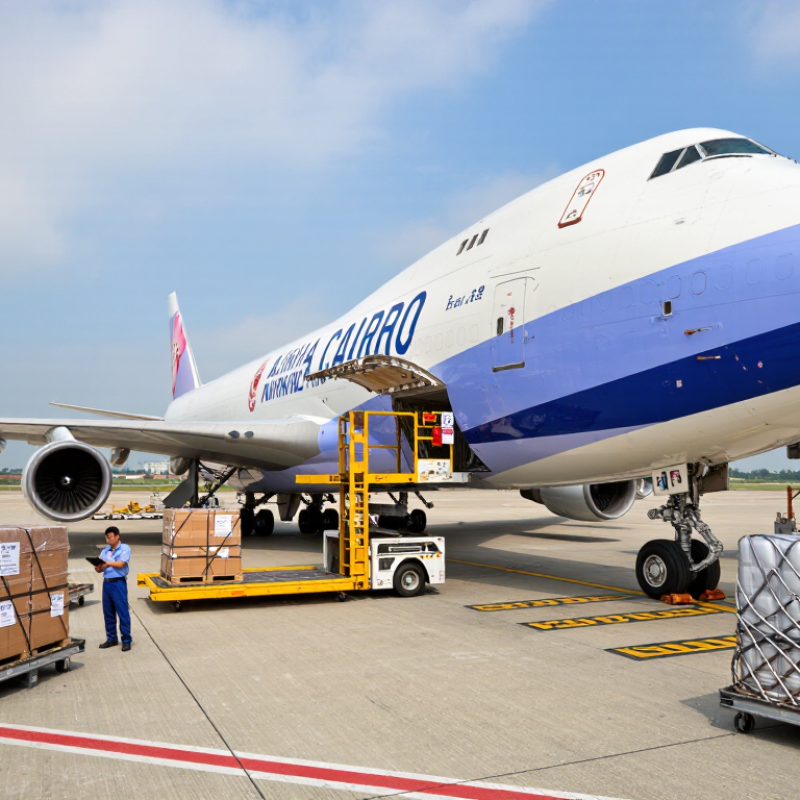
For global buyers, air cargo is more than a flight between two airports. It is a carefully managed chain of people, documents, facilities, and decisions. China Airlines Cargo Services can support this chain for businesses moving electronics, machinery, garments, medical equipment, and other lawful commercial goods. Its value should be assessed through practical details, not attractive promises.

A buyer may need dependable flight schedules, clear shipment tracking, secure handling, and responsive communication. A shipment leaving Taipei may pass through several handling points before reaching a warehouse in Europe or North America. At each stage, accurate labels, strong packaging, and complete customs documents matter. Even a small error can delay delivery or create extra storage costs.

Professional planning makes a difference. Experienced logistics teams can compare routes, confirm cargo dimensions, review destination requirements, and select suitable service options. Temperature-sensitive goods may need controlled handling. Valuable products may require stricter security procedures. China Airlines Cargo Services can be considered within this broader logistics plan, rather than as a standalone solution.

No carrier removes every risk. Weather, airport congestion, customs reviews, and inaccurate commercial invoices can still affect delivery. That point deserves honest attention. Buyers should verify current schedules, service conditions, insurance arrangements, and local import rules before booking. They should also ask who manages exceptions when a shipment misses its planned connection.

Reliability grows from preparation and transparent communication. With realistic timelines and measurable service expectations, global buyers can make more informed decisions about China Airlines Cargo Services. The best choice is not always the fastest option. It is the one that fits the cargo, route, budget, and compliance requirements.

Why Choose China Airlines Cargo Services for Global Buyers?

China Airlines Cargo Services: Scope and Core Capabilities

China-based airline cargo services connect manufacturers, trading companies, and global buyers through scheduled air networks. Their scope usually covers airport-to-airport transport, pickup coordination, cargo consolidation, export documentation, and delivery handover. This structure suits electronics, garments, spare parts, samples, and other time-sensitive commercial shipments.

The core capability is controlled movement. Cargo teams check dimensions, chargeable weight, packaging, and flight availability before booking. They can combine smaller consignments into one shipment, reducing unused space and handling costs. Shipment tracking provides useful milestones, from warehouse acceptance to departure and arrival. For temperature-sensitive products, qualified handling areas and monitoring records help protect cargo during transfers. Every step matters.

Accuracy remains essential. A small mismatch in an invoice or packing list can delay clearance. Experienced providers review product descriptions, labels, consignee details, and destination requirements before dispatch. They also coordinate with customs brokers and local delivery partners where needed. Real operations are not always smooth. Weather, capacity changes, and airport congestion can disrupt planned schedules. I would leave buffer time instead of trusting the fastest estimate. A clear escalation contact, photographed cargo condition, and written handover records make problems easier to investigate.

Global Routes, Flight Frequency, and Destination Coverage

Choosing China-based air cargo services can give global buyers practical access to major manufacturing regions and international markets. Their route networks often connect East Asia with Europe, North America, the Middle East, and Southeast Asia. High-frequency flights also support tighter production schedules. IATA’s 2024 Air Cargo Market Analysis reported an 11.3% rise in global air cargo demand, while capacity increased 7.4%. This growth shows stronger demand for fast, reliable transport. However, route availability alone is not enough. A convenient map can hide limited weekly flights or difficult transfers.

Flight frequency matters when shipping electronics, machinery parts, seasonal goods, or urgent samples. Daily departures can reduce warehouse waiting time and create better recovery options after delays. Destination coverage also includes airport handling, customs coordination, and inland delivery. The World Bank’s Logistics Performance Index highlights reliability and shipment tracking as key logistics factors. In practice, buyers should compare transit times by airport pair, not just country. One missed connection can erase the expected advantage. That is easy to overlook.

Tips: Ask for the weekly flight schedule, confirmed cut-off time, transfer airport, and final-mile plan. Check whether capacity changes during peak seasons. Request recent on-time performance data when available. IATA data is useful, but averages cannot predict every shipment. Build a small buffer. It may feel inefficient, yet it can protect production plans.

Why Choose Air Cargo Services for Global Buyers?

Major cargo hubs provide broad geographic coverage, frequent intercontinental connections, and efficient transfer options for international buyers. The chart compares rounded annual cargo throughput at leading global air cargo hubs in 2022, based on ACI World airport traffic rankings.

Cargo Handling Standards for Different Product Categories

Global buyers need more than a flight schedule. They need cargo handling standards that match each product category. Electronics require stable temperatures, anti-static packaging, and shock indicators. Perishable food needs validated cold-chain ranges, clean containers, and fast transfers between handling points. Textiles and general merchandise usually need dry storage, accurate carton counts, and protection from compression. These controls reduce damage and simplify arrival inspections.

Industrial equipment needs a different approach. Handlers should verify dimensions, lifting points, weight distribution, and moisture protection before acceptance. Fragile glassware may require reinforced crates, corner protection, and clear handling instructions. High-value goods deserve controlled access, seal checks, and documented handovers. Small labeling errors can still delay a perfect shipment.

Tips: Share product specifications before booking. Confirm temperature limits, packaging tests, insurance needs, and delivery deadlines. Photograph the packed cargo, record its weight, and retain each handover document. Do not assume standard service fits every category. I once treated packaging as a final detail; it became the weakest link. That mistake still shapes better cargo planning.

Booking Procedures, Documentation, and Shipment Tracking

Choosing an established China-based air cargo service can simplify international shipments for global buyers. The process usually starts with a booking request containing the origin, destination, cargo type, package count, weight, and dimensions. Accurate measurements matter. A small error can change the freight quotation.

Experienced shipping teams confirm available flight space, cargo cut-off times, handling requirements, and estimated transit schedules. Buyers should ask whether the quote includes fuel adjustments, terminal fees, customs handling, and delivery charges. I have found that written confirmation prevents many disputes. Still, schedules can change because of weather, congestion, or aircraft capacity.

Documentation deserves equal attention. A commercial invoice, packing list, transport document, and any required import permits should match the physical shipment. Product descriptions must be clear and consistent. Incorrect quantities or vague wording can delay clearance. Before handover, check the consignee’s full address, contact number, tax details, and delivery instructions.

Tracking normally begins after cargo acceptance and document verification. A shipment reference number can show milestones such as departure, transit handling, arrival, and final delivery. Updates may not appear immediately after handover. That delay is normal, but unexplained gaps deserve a prompt inquiry. Buyers should save booking confirmations, document copies, and tracking records in one shared file. My own process is not flawless; I sometimes review dimensions twice and still find a missing detail later. That is why a final pre-departure check remains valuable.

Why Choose China Airlines Cargo Services for Global Buyers? - Booking Procedures, Documentation, and Shipment Tracking

Process Stage What the Buyer or Shipper Does Key Data or Documents Typical Operational Timing Shipment Status to Monitor Practical Control Point
1. Product and Route Review Confirm the commodity, origin airport, destination airport, service level, required delivery date, and applicable trade term. Product description, HS code, number of pieces, gross weight, dimensions, chargeable weight, Incoterm, and consignee details. Before requesting a firm quotation; earlier planning is recommended for time-sensitive or regulated cargo. Routing confirmed; space availability checked. Use accurate dimensions and weight because air freight charges commonly use the higher of actual weight and volumetric weight.
2. Freight Quotation Compare the proposed transport plan, rate basis, surcharges, handling charges, and destination responsibilities. Rate validity, currency, fuel or security surcharges, airport fees, estimated transit time, and service conditions. Quotation validity is normally limited and should be checked before acceptance. Quote issued; rate accepted or revised. Check whether customs clearance, duties, taxes, delivery, and storage are included or excluded.
3. Booking Request Submit the booking through the authorized cargo channel, freight forwarder, or appointed logistics provider. Shipper and consignee names, contact details, airport pair, requested flight date, cargo description, package count, weight, dimensions, and handling instructions. For general cargo, booking several working days before departure helps allow document and security processing. Booking request received; space pending; booking confirmed. Obtain a booking reference and verify that the booked weight and piece count match the shipping plan.
4. Commercial Documentation Prepare consistent documents and provide them to the carrier, forwarder, or customs broker within the required cutoff. Commercial invoice, packing list, purchase order or sales contract, air waybill instructions, and export declaration data where required. Documents should be ready before cargo acceptance and customs filing. Documents received; customs data submitted; document discrepancy identified. Ensure the invoice description, quantity, value, currency, country of origin, and HS code agree with the packing list and declaration.
5. Special Cargo Compliance Declare regulated, restricted, temperature-sensitive, oversized, fragile, or valuable cargo before acceptance. Safety data sheet, dangerous goods declaration, shipper’s certification, permits, health certificates, batteries information, or temperature requirements when applicable. Additional review time may be required before a booking is accepted. Special handling approved; compliance review pending; cargo accepted or rejected. Never describe hazardous or restricted goods as general cargo; classification and packaging rules apply.
6. Packing and Labelling Pack cargo to withstand handling, stacking, vibration, and changes in air pressure; attach readable labels. Outer package marks, handling labels, piece numbers, shipper and consignee information, gross weight, and required hazard or temperature labels. Completed before delivery to the cargo terminal or forwarder. Cargo prepared; cargo delivered; acceptance inspection completed. Labels should match the air waybill and document package exactly.
7. Air Waybill Issuance Review the transport record and confirm that routing, parties, pieces, weight, and commodity description are correct. Air waybill number, shipper, consignee, origin, destination, number of pieces, gross weight, chargeable weight, and declared values where required. Issued after booking and cargo details are accepted. Air waybill created; cargo accepted; manifest prepared. Keep the air waybill number available because it is the primary reference for shipment tracking.
8. Security and Customs Clearance Provide complete filings and respond promptly to requests from customs or security authorities. Export declaration, customs invoice data, permits, origin information, security screening record, and any destination-specific import documents. Timing depends on commodity, export controls, customs workload, and document accuracy. Security cleared; export customs cleared; held for inspection; released. A document mismatch, missing permit, or incorrect HS code can delay release or trigger additional inspection.
9. Departure and In-Transit Tracking Monitor tracking events and coordinate with the logistics provider if the status remains unchanged beyond the expected milestone. Air waybill number, flight information, departure date, connection point, estimated arrival, and exception contacts. Updates are generally posted at key handling events rather than continuously. Departed origin; arrived at transit point; transferred; departed transit point. Compare actual milestone times with the planned route and investigate missed connections or irregular operations.
10. Import Clearance and Final Delivery Arrange import customs clearance, pay applicable duties and taxes, and confirm delivery instructions. Import declaration, commercial invoice, packing list, air waybill, permits, tax information, and proof of origin when requested. Release and delivery depend on destination customs procedures, payment, and local transport capacity. Arrived destination; customs clearance started; customs released; ready for pickup; delivered. Inspect packaging and piece count at receipt, record visible damage, and retain delivery evidence for claims or reconciliation.
Data quality note: Actual rates, schedules, cut-off times, customs requirements, and transit times vary by route, commodity, season, airport, and service type. Verify shipment-specific details before booking.

Pricing Factors, Transit Times, and Buyer Considerations

China-based air cargo services suit global buyers who value speed, predictable handling, and detailed shipment visibility. IATA reports that air cargo moves goods worth more than US$8 trillion annually, representing over 35% of global trade by value. This explains its role in electronics, samples, medical equipment, and urgent seasonal inventory.

Pricing depends on chargeable weight, route distance, fuel surcharges, security fees, handling, customs services, and peak-season capacity. Carriers usually compare actual weight with volumetric weight, calculated as length × width × height ÷ 6,000 for centimetre-based shipments. Typical airport-to-airport transit may take three to seven days from China to major overseas hubs. Customs clearance and final delivery can add two to five days. A low quote may hide fees. I learned that comparing total landed cost is more reliable than comparing freight alone. The World Bank’s 2023 Logistics Performance Index also highlights customs efficiency and tracking as important logistics performance factors.

Tips

Ask for a complete quotation before booking. Confirm the chargeable weight, delivery term, fuel adjustment, and destination fees. Request milestone updates, not only a departure notice. Check whether transit times exclude weekends and customs delays. Keep invoices, packing lists, and product descriptions consistent. Small errors can stop a shipment. Buyers should also test one route with a modest order before committing to regular volume. That extra step feels slower, but it can expose weak communication, inaccurate estimates, or poor exception handling.