2026 Best Sea Freight Options for Global Shipping Solutions?
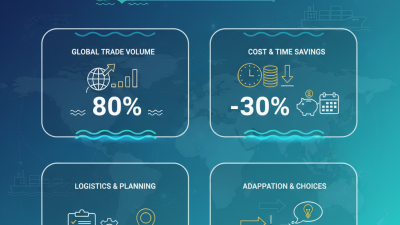
As we approach 2026, the sea freight industry is rapidly evolving. According to the International Maritime Organization, global seaborne trade is expected to grow by 3% annually, highlighting its significance. Sea freight remains a cost-effective option for businesses shipping goods internationally. It accounted for over 80% of global merchandise trade by volume in 2022. This considerable share emphasizes the critical role sea freight plays in global logistics.
However, the industry faces challenges that demand attention. Supply chain disruptions and port congestion have increased shipping times and costs. The reliability of sea freight options is under scrutiny. Reports show an average increase of 20% in freight rates from 2020 to 2022. Such fluctuations create unpredictability for shippers. Despite these challenges, investing in robust logistics solutions is crucial for maintaining competitiveness.
Understanding the best sea freight options available in 2026 is essential. Organizations must analyze various alternative modes and providers. This critical assessment will support businesses in navigating the complexities of global shipping. By focusing on reliable solutions, they can mitigate risks and optimize efficiency, ultimately benefiting their operations.
Overview of Sea Freight and Its Importance in Global Shipping
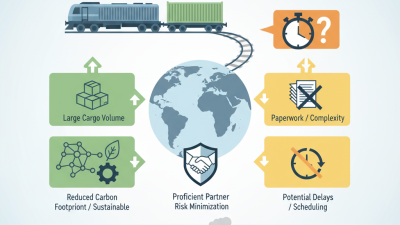
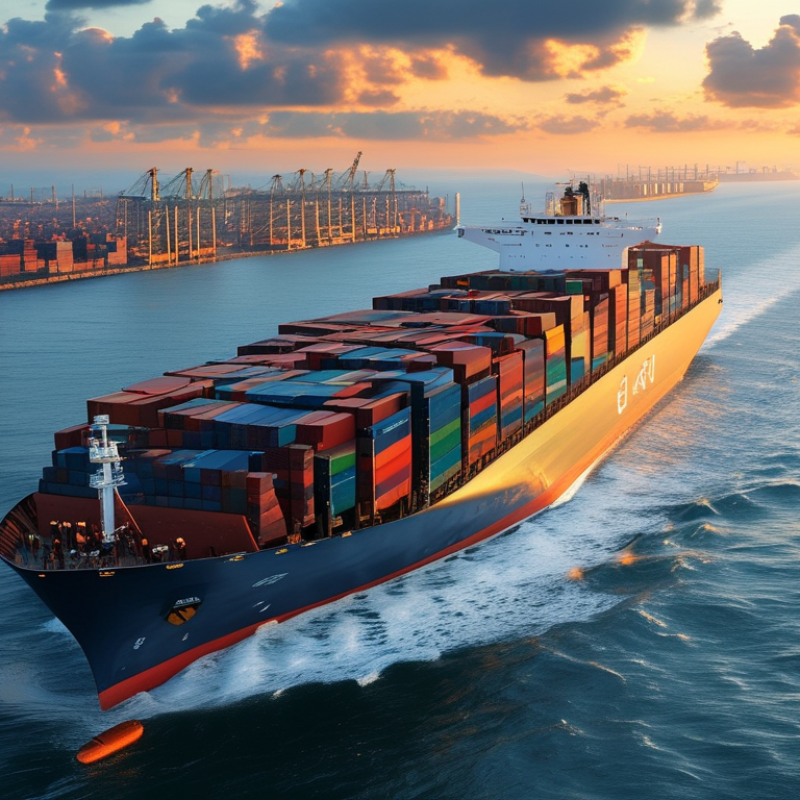
Sea freight plays a crucial role in global shipping, ensuring goods traverse vast oceans efficiently. This method is often the most economical for transporting heavy cargo over long distances. Ships can carry large volumes, reducing per-unit shipping costs. In addition, the ability to transport a diverse range of goods makes sea freight an essential choice for businesses worldwide.
However, relying on sea freight comes with challenges. Weather can disrupt schedules. Port congestion often delays shipments, impacting supply chains. Businesses must carefully plan to mitigate these risks. Despite these hurdles, the importance of sea freight in maintaining global supply chains cannot be overstated. It connects manufacturers to markets and resources to consumers, keeping economies moving.
Deciding on sea freight involves understanding various factors. Distance, cargo type, and destination all influence shipping options. Companies need to weigh these elements against cost and timeline constraints. Flexibility is key, as unexpected issues can arise. Businesses should remain prepared and adaptive to ensure smooth operations.
Key Factors Influencing Sea Freight Options in 2026
The landscape of sea freight in 2026 is shaped by evolving requirements and challenges. As supply chains become more complex, the demand for flexibility rises. Companies need a blend of speed and reliability. Efficient cargo handling is crucial. Sea freight providers must adapt to shifting market demands.
Sustainability has emerged as a key factor. Shipping methods are expected to reduce carbon footprints. This transition can be daunting for some. Not all carriers have the resources or knowledge to implement sustainable practices. Balancing cost with responsible shipping can lead to tough choices.
Technological advancements are essential. Automation and real-time tracking enhance efficiency. However, not every business is equipped to handle these changes. Learning curves can hinder progress. Adapting to new software or systems requires time and training. Companies may find it challenging to keep pace with innovations in the industry.
Top Sea Freight Solutions for Different Cargo Types
Choosing the right sea freight solutions is essential for various cargo types. Different goods require specific handling and transportation methods. For bulk commodities like grains or ores, options like bulk carriers work best. These vessels maximize capacity and minimize costs.
Refrigerated cargo has unique needs. Perishable items, such as foodstuffs, require reefer containers. They maintain optimal temperatures throughout transit. This solution, while effective, can face challenges like varying climate conditions. Proper temperature management is crucial for sustaining product quality.
Hazardous materials require specialized transport. Compliance with safety regulations is non-negotiable. Using dedicated containers ensures that risks are minimized. However, this adds complexity to logistics. Proper labeling and documentation are vital in preventing mishaps. Each cargo type has distinctive needs, requiring careful consideration for effective shipping solutions.
2026 Best Sea Freight Options for Global Shipping Solutions
| Cargo Type |
Best Method |
Average Transit Time |
Cost Efficiency |
Environmental Impact |
| General Cargo |
FCL (Full Container Load) |
20-30 days |
Moderate |
Low |
| Perishable Goods |
Reefer Container |
15-20 days |
High |
Moderate |
| Heavy Machinery |
Breakbulk Shipping |
25-40 days |
Low-Medium |
High |
| Textiles |
LCL (Less than Container Load) |
25-35 days |
Moderate |
Low |
| Automobiles |
Roll-on/Roll-off (RoRo) |
20-30 days |
Medium |
Low |
| Chemicals |
ISO Tank Containers |
25-35 days |
High |
Moderate |
Comparative Analysis of Major Shipping Routes for 2026
In 2026, the landscape of global shipping routes is evolving. Companies face numerous challenges in choosing the best sea freight options. Major routes will experience changes due to increased demand, regulations, and environmental concerns. It’s crucial for shippers to stay informed.
When analyzing key shipping routes, the Panamax and Post-Panamax channels remain essential. These routes facilitate significant cargo movement. However, port congestion presents issues. Delays can affect lead times, making reliability a concern for many traders. Shippers must weigh speed against cost to make informed decisions.
The rise of alternative routes is noteworthy. Some shippers are exploring less conventional paths to save time. However, these options may increase risk. Fewer vessels operate these routes, raising potential for delays. Balancing cost efficiency with reliability remains a challenge for supply chain managers. Being adaptable and informed will be paramount for success in this dynamic maritime environment.
Emerging Technologies Impacting Sea Freight Efficiency and Cost
The sea freight industry is undergoing significant transformations due to emerging technologies.
A recent report by the International Maritime Organization highlights that digital solutions could reduce shipping costs by up to 30%.
This improvement stems from better route optimization and real-time tracking. Logistics managers now have access to advanced analytics, which enable them to make informed decisions swiftly.
Artificial Intelligence (AI) is playing a pivotal role in sea freight efficiency.
AI algorithms analyze vast amounts of data to predict delays and optimize cargo loads. Various studies indicate that AI can enhance operational efficiency by nearly 20%.
However, it's essential to note that these technologies also pose challenges. The reliance on data can lead to potential cybersecurity issues.
Companies must invest in robust cybersecurity measures to protect sensitive information.
Blockchain technology is transforming documentation processes in global shipping.
It offers transparency and security, reducing disputes. According to industry experts, blockchain can decrease administrative costs by around 25%.
Nevertheless, the integration of blockchain is still in its nascent stage. Many firms lack the expertise needed to implement these technologies fully.
As the industry evolves, companies must reflect on their readiness to embrace these changes effectively.