What is Air Freight and How Does It Benefit Global Buyers?
Air Freight is a critical component of global trade. It allows businesses to ship goods across vast distances quickly. Renowned air freight expert, John Smith, once remarked, "Air freight is the backbone of international commerce." His insight highlights its importance in meeting modern buyer demands.
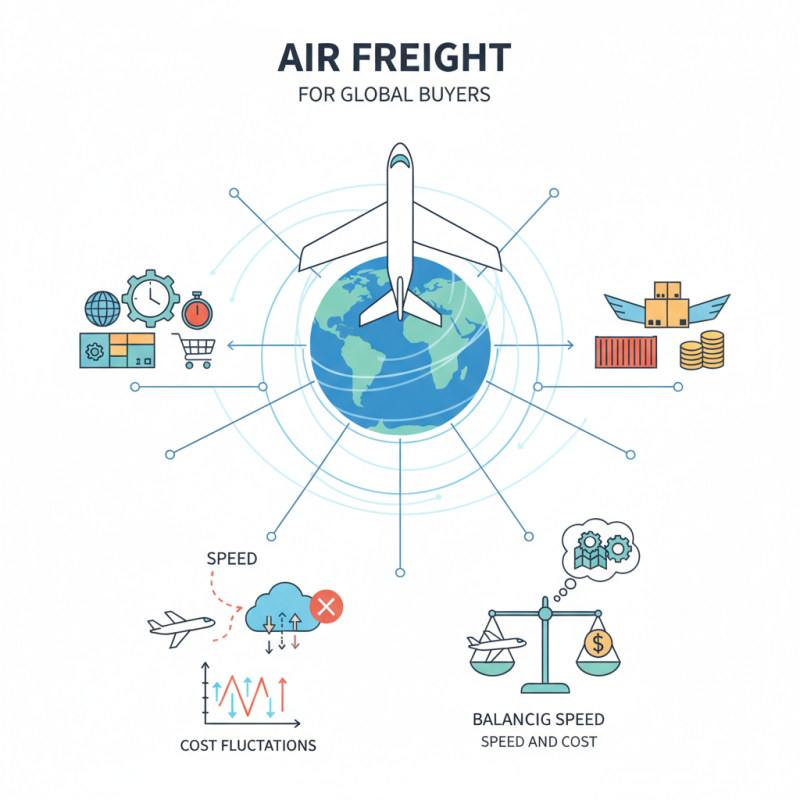
The global market is increasingly reliant on Air Freight services. With the rise of e-commerce, swift delivery times have become essential. Buyers expect their items to arrive on their doorsteps faster than ever. However, this demand brings challenges. Air freight routes can become congested, causing delays. Additionally, costs can fluctuate dynamically, impacting budgets for businesses.
Understanding Air Freight's benefits is crucial for global buyers. It offers speed, flexibility, and reliability. However, it's also vital to acknowledge its limitations. Prices can be high, and not all products are suited for air transport. Striking a balance between speed and cost is key for many businesses. The air freight landscape requires careful consideration and strategic planning.
What is Air Freight?
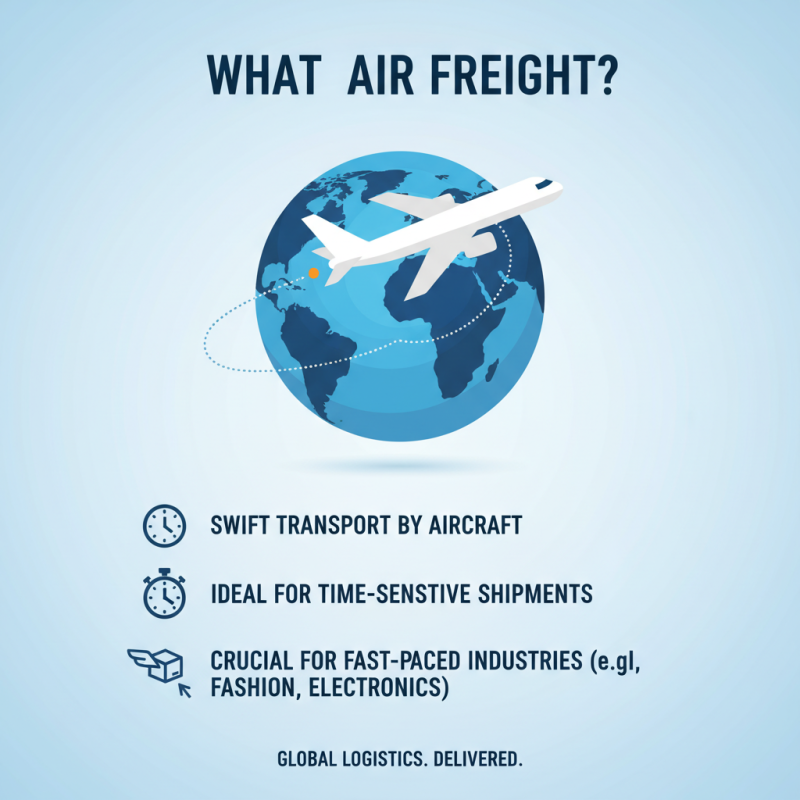
Air freight is a vital component of global logistics. It allows for the swift transport of goods by aircraft. This method is ideal for time-sensitive shipments. Businesses often rely on air freight to meet tight deadlines. This mode ensures that products reach their destinations quickly, which can be crucial for industries like fashion or electronics.
The process involves several key steps. Items are packed and transported to the airport. Once there, they are loaded onto planes. Customs clearance is necessary for international shipments. This process can be complex and sometimes delays occur. However, the speed of air freight usually compensates for these hiccups.
Several types of goods benefit from air freight. Perishable items, like fresh produce or flowers, demand rapid movement. Additionally, high-value goods, such as luxury items, are frequently transported this way. However, air freight can be more expensive than other methods. Companies must weigh the costs against the benefits to determine if it’s the right choice. The reliability of this service makes it an appealing option for many businesses, despite its higher price point.
Key Features of Air Freight Services
Air freight services offer unique advantages for global buyers. The speed of delivery is a primary feature. Shipment can often reach its destination in just a few days. This is particularly beneficial for perishable goods, like food and pharmaceuticals. Time-sensitive projects also gain forward momentum. Companies can quickly respond to market demands.
Another key feature is tracking capability. Most air freight services provide real-time tracking updates. This allows buyers to monitor their shipments closely. Knowing the exact location of goods brings peace of mind. It reduces anxiety over potential delays.
Cost is another consideration. Air freight can be more expensive than options like sea freight. This can make budgeting challenging. Buyers must weigh urgency against cost efficiency. It may lead to difficult choices. Yet, for high-value items, air freight remains a worthy investment. The reliability of air transport ensures that goods arrive safely, even if at a higher price.
Air Freight vs. Ocean Freight: Shipment Volume Comparison (2022)
This chart compares the shipment volumes of air freight and ocean freight in 2022, highlighting the significant difference in volume handled by both modes of transport. Air freight managed 500,000 Twenty-foot Equivalent Units (TEUs) while ocean freight handled 1,200,000 TEUs, showcasing its dominance in bulk shipping. Understanding these metrics can help global buyers optimize their shipping strategies.
Benefits of Air Freight for Global Buyers
Air freight is a vital option for global buyers seeking efficient logistics solutions. It allows for quick transportation of goods across continents. This method reduces delivery times, ensuring products reach customers faster. In industries where time-sensitive deliveries are crucial, air freight excels. For instance, tech firms often rely on air transport to ship components rapidly.
Cost is a consideration in air freight. While it is typically more expensive than sea freight, the speed often justifies the extra expense for many businesses. Air freight can also mitigate risks related to inventory shortages. If timely deliveries prevent lost sales, the benefits become clear. Furthermore, air freight has adaptability in shipment size, from small parcels to large cargo.
However, not every shipment should go by air. For bulk items or products with long lead times, cheaper alternatives might be better. Each business must analyze its specific needs. Regular reflection on shipping strategies can highlight inefficiencies. Sustainable practices in air freight also require attention. As global concerns about environmental impact rise, finding balance is key.
What is Air Freight and How Does It Benefit Global Buyers? - Benefits of Air Freight for Global Buyers
| Benefit |
Description |
Impact on Global Buyers |
| Speed |
Air freight is the fastest mode of transportation, significantly reducing delivery times. |
Enables quicker market entry and better inventory management. |
| Reliability |
Airlines adhere to strict schedules, offering greater predictability in delivery. |
Improved planning and customer satisfaction. |
| Security |
Air cargo is often subject to higher security standards compared to other transport modes. |
Reduced loss and damage risk, enhancing trust in shipments. |
| Flexibility |
Air freight allows for various shipment options, including express and standard services. |
Customizable solutions to meet specific buyer needs. |
| Global Reach |
Airlines operate globally, connecting remote areas to major markets. |
Access to a broader supplier base and new market opportunities. |
Comparisons: Air Freight vs. Other Shipping Methods
When considering shipping methods, air freight stands out due to its speed and efficiency. However, other options exist, like sea and road transport.
Air freight is often quicker, allowing businesses to deliver goods within days. Sea freight, while cost-effective, may take weeks. Road transport is flexible but can face delays. Choosing the right method depends on urgency, budget, and type of goods.
Tips: Evaluate your timeline carefully. If you need products fast, air freight is ideal. For non-urgent deliveries, sea freight can save costs. High-value items often require air transport for security. Consider the size and weight of your shipment. Heavy goods might be more economical by sea.
Different shipping methods also affect supply chain dynamics. Air freight can reduce inventory costs by keeping stock levels low. However, it typically comes with higher fees. Sea freight, on the other hand, is suited for bulk shipments but requires more planning. It’s essential to weigh these factors before making a decision. Focusing only on cost might lead to missed delivery windows or quality issues.
Factors to Consider When Choosing Air Freight
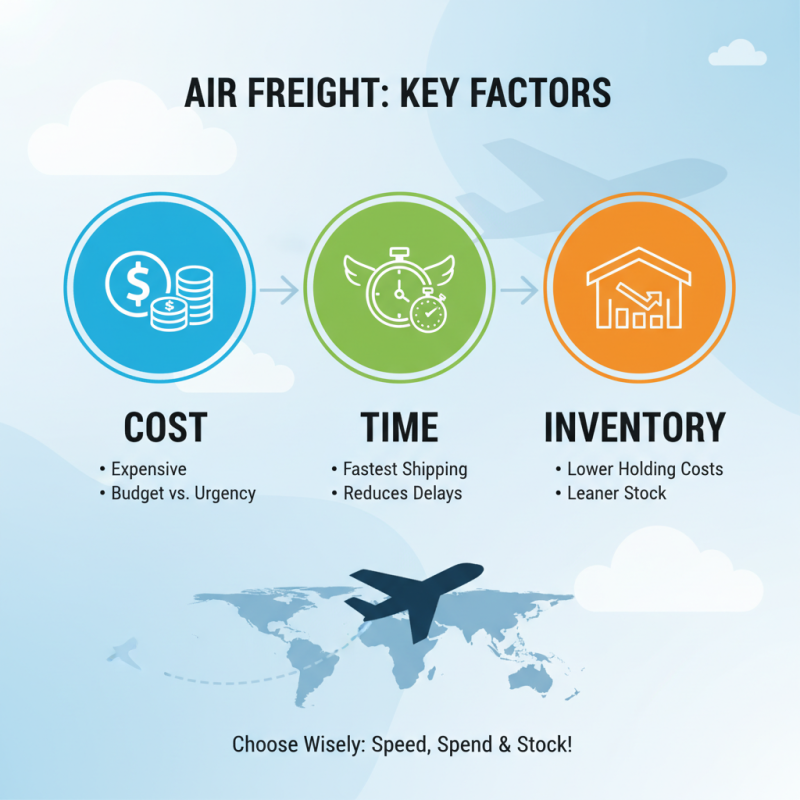
When choosing air freight, several factors come into play. Cost is often a primary concern. Air freight can be more expensive than other shipping methods. However, it can also save time and reduce inventory costs. Buyers need to weigh the urgency against the budget.
Another crucial factor is the reliability of the service. Not all air freight carriers offer the same level of service. Tracking, punctuality, and customer support vary widely. Global buyers should investigate the carrier's reputation. Reviews and case studies can provide insight into delivery performance.
Additionally, understanding cargo types is essential. Different carriers specialize in specific goods. Some are better equipped for perishable items. Others may focus on electronic devices. Buyers must match their cargo with the right carrier. This alignment can prevent damage and delays. Lastly, customs clearance practices can affect overall efficiency. Buyers should ensure the carrier has a good grasp of the necessary regulations and procedures.