How to Choose the Best Sea Transport for Global Shipping?
Global shipping relies heavily on effective and reliable sea transport. Various factors determine the best choices for shipping goods across oceans. Understanding these elements is crucial for businesses seeking efficiency.
When considering sea transport, one must evaluate shipping routes, costs, and delivery times. Different shipping companies offer various services, which can be confusing. It’s essential to compare rates and options. Inadequate research can lead to poor decisions and delayed shipments.
Additionally, the impact of sea transport on the environment must not be overlooked. Sustainable practices are increasingly important. Companies should reflect on their choices and seek eco-friendly solutions. The right approach to sea transport not only enhances efficiency but also aligns with global sustainability efforts.
Factors to Consider When Choosing Sea Transport for Global Shipping
Choosing the right sea transport for global shipping involves various factors. Timely delivery is one of the most critical concerns. Reports indicate that 70% of global trade by volume relies on maritime shipping. Delays can be costly, making it essential to assess transit times before selecting a provider.
Cost efficiency also plays a significant role in decision-making. A study from the International Maritime Organization highlights that shipping costs can account for up to 50% of total logistics expenses. Therefore, understanding the trade-offs between speed and cost is vital. Additional elements include the shipping routes, available containers, and the nature of the cargo.
Environmental impact is gaining attention as more companies seek sustainable practices. Shipping contributes to around 3% of global greenhouse gas emissions, prompting a shift towards greener options. Evaluating the eco-friendliness of a transport method is becoming increasingly necessary for businesses. As the shipping industry evolves, organizations must be aware of these factors and reflect on their strategies to make informed decisions.
Types of Sea Transport Available for Global Shipping Needs
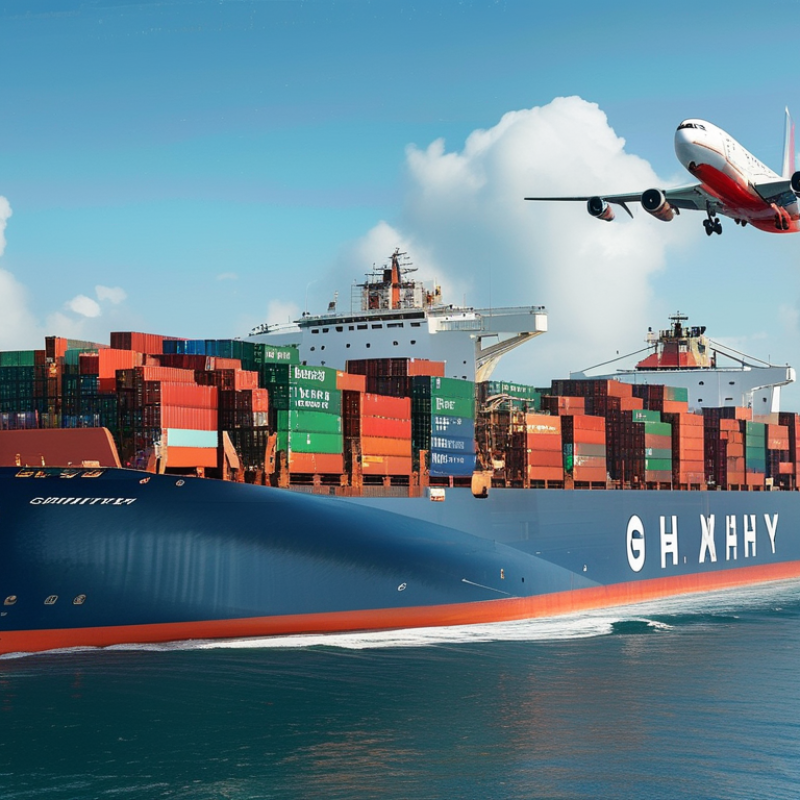
When it comes to global shipping, selecting the right type of sea transport is crucial. There are several options available, each suited for different needs. Container ships are the most common choice for transporting large quantities of goods. They offer a structured, efficient way to move diverse cargo over long distances.
Another option is bulk carriers, which are ideal for transporting raw materials like coal or grain. These vessels have specialized designs to accommodate large volumes of unpackaged goods.Ro-Ro ships serve a different purpose. They allow vehicles to be rolled on and off, providing a practical solution for transporting automobiles and heavy equipment.
Each transport type has its own set of advantages and disadvantages. For example, container ships can be more expensive than bulk carriers. However, they offer greater flexibility in cargo types. Decisions should be based on cargo type, weight, and destination. Understanding these variables can lead to more efficient shipping strategies.
Evaluating Shipping Costs and Transit Times in Sea Transport
When considering sea transport for global shipping, shipping costs and transit times are critical factors. According to the International Maritime Organization (IMO), freight shipping costs have fluctuated significantly. In 2022, the World Bank reported that average container freight rates soared to nearly $10,000 per 40-foot container. This rise in costs can deeply affect profit margins, especially for smaller businesses. Monitoring trends in shipping rates is essential for maintaining competitiveness.
Transit times are equally important. A report from the Global Shippers Forum highlighted that delays can prolong deliveries by days or even weeks. For instance, shipping from Asia to Europe may take about 30 to 40 days, depending on the route. However, added customs inspections or port congestions can extend these times further. Shippers need to weigh the urgency of delivery against transportation expenses. Experienced freight forwarders often recommend selecting routes and carriers that balance cost and speed effectively.
Ultimately, understanding the nuances of these variables is essential. Each shipping decision should be informed by reliable data and expert insights. However, there can be unpredictability. Sudden market shifts or unexpected events could impact both shipping costs and transit times. Regularly reviewing and adjusting shipping strategies is necessary for success.
Understanding Regulations and Compliance in International Sea Shipping
When engaging in international sea shipping, understanding regulations is crucial. Each country has specific rules that govern the movement of goods. Compliance will help avoid delays. Research is essential. Look into customs requirements, safety standards, and environmental regulations. These can vary greatly by destination.
Documentation is another critical aspect. Accurate paperwork is vital for smooth transit. Missing or incorrect forms can cause significant disruptions. Every shipment should have a detailed bill of lading and necessary import/export licenses. Moreover, consider the International Maritime Organization's guidelines. These can provide valuable insights into global shipping compliance.
Additionally, tariffs and trade agreements play a significant role. They can impact shipping costs. Being aware of the latest trade policies is essential for effective budgeting. Shipping companies may offer guidance, but understanding the landscape is the shipper’s responsibility. As you navigate this complex world, remain vigilant about changes in laws. Reflect on your shipping practices regularly. This can enhance compliance and improve efficiency over time.
How to Choose the Best Sea Transport for Global Shipping? - Understanding Regulations and Compliance in International Sea Shipping
| Transport Type |
Capacity (TEU) |
Average Delivery Time (Days) |
Cost (per TEU) |
Regulatory Compliance |
| Container Ship |
6000 |
25 |
$1200 |
SOLAS, ISM Code |
| Bulk Carrier |
100,000 |
30 |
$800 |
MARPOL, STCW |
| Roll-on/Roll-off (RoRo) |
4000 |
20 |
$1500 |
SOLAS, ISM Code |
| Chemical Tanker |
30,000 |
28 |
$1000 |
MARPOL, IBC Code |
Best Practices for Selecting a Reliable Sea Transport Provider
Choosing a reliable sea transport provider is crucial for global shipping. Research shows that nearly 75% of businesses face delays due to poor shipping choices. It’s essential to analyze a provider's track record on delivery times and damages. Look for those with a minimum 95% on-time delivery rate.
Evaluating a company's experience is vital. Industry reports indicate that providers with over a decade of experience often have better crisis management capabilities. They are more likely to handle unforeseen challenges effectively. Additionally, engaging with customer reviews can reveal a lot about handling issues like cargo loss.
Costs play a significant role in decision-making. However, balancing cost and service quality is key. Providers offering the cheapest rates may not always provide the best service. It's often wise to explore options that ensure safety over savings. Remember, accountability affects your overall logistics chain. Don't rush the process; it's about finding the right partner for your needs.