Fba Amazon Shipping Tips for Global Buyers to Save Money
In today's global marketplace, understanding Fba Amazon Shipping is crucial for international buyers looking to save on shipping costs. Navigating the complexities of cross-border shipments can be challenging. Many buyers feel overwhelmed by the various fees and regulations. They often overlook opportunities to reduce expenses.
Savvy shoppers need to explore all available options. Utilizing Amazon’s FBA service can offer significant savings and efficiency. However, it is essential to grasp the nuances involved. For instance, knowing when to use FBA versus direct shipping can impact your budget. Additionally, being aware of regional shipping policies is vital to avoid unexpected charges.
Ultimately, streamlining Fba Amazon Shipping requires a proactive approach. It may involve trial and error, as not every strategy will suit every buyer. Learning from past experiences and adjusting your methods is key. Also, seeking out expert advice can enhance your shipping strategy. By embracing best practices, global buyers can make smarter decisions and achieve better savings.
Understanding FBA Shipping for Global Buyers
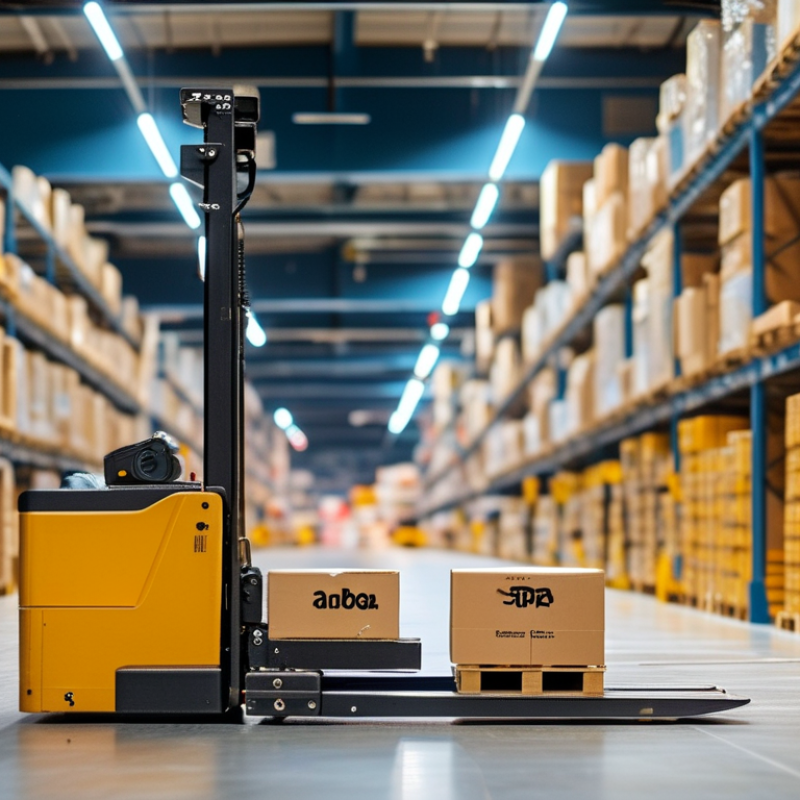
Understanding the FBA shipping process can significantly benefit global buyers. Fulfillment by Amazon (FBA) allows international customers to access a vast selection of products. However, shipping costs can sometimes deter buyers from making purchases. A clear understanding of these shipping options can help buyers save money.
International shipping with FBA involves several key factors. The size and weight of an item can affect shipping costs. Larger items typically incur higher fees. Choose products wisely. Track the shipping options available for each item. Keep an eye out for promotions or reduced shipping rates. Research plays a vital role in making informed decisions.
Another important aspect is customs fees. Global buyers must be aware that additional charges may apply upon delivery. Not understanding this can lead to unexpected expenses. It is wise to factor in these costs when buying. Miscalculating can diminish savings. Being aware and meticulous can prevent overspending in the long run.
Identifying Cost-Effective Shipping Options
When it comes to shipping with FBA, finding cost-effective options is crucial for global buyers. An effective shipping strategy can significantly reduce your costs and improve your bottom line. According to a 2023 report by Logistics Management, shipping expenses constitute about 10-15% of a seller's total costs. Identifying the right shipping method can reduce this figure dramatically.
One smart tip is to choose carriers that offer discounted shipping rates for large volumes. Many logistics companies provide tiered pricing based on shipment size. Additionally, utilizing a freight forwarder can also help consolidate shipments, further reducing costs. A report by Statista indicates that businesses can save up to 30% by using freight consolidation strategies.
Another key approach is optimizing packaging. Reducing the weight and dimensions of your packages can lead to lower shipping fees. For instance, switching to poly bags instead of boxes for lightweight items may save you up to 60% on shipping. However, it’s essential to weigh the trade-offs, as improper packaging could lead to damage and return costs. Always ensure compliance with shipping guidelines and consider the potential risks.
Fba Amazon Shipping Tips for Global Buyers to Save Money - Identifying Cost-Effective Shipping Options
| Shipping Method |
Estimated Delivery Time |
Cost (USD) |
Best For |
| Standard Shipping |
10-20 days |
$20.00 |
Cost Savings |
| Expedited Shipping |
5-10 days |
$50.00 |
Faster Delivery |
| Express Shipping |
2-5 days |
$100.00 |
Urgent Needs |
| Freight Shipping |
30-60 days |
$300.00 |
Bulk Orders |
| Postal Service |
15-30 days |
$12.00 |
Cost Effective for Small Items |
Calculating Import Taxes and Duties for International Shipments
Calculating import taxes and duties is crucial for global buyers using FBA Amazon. Understanding these costs can help you save money. According to industry reports, import duties can vary widely by country and product type. In some cases, rates can reach up to 25%. This can significantly impact your total shipping costs.
Many buyers overlook the Harmonized System (HS) Code. Each product has a specific code that determines applicable taxes and duties. Misclassifications can lead to unexpected expenses. For example, a misclassified electronic item might attract a higher tax than anticipated. Reports indicate that accurate HS coding can save buyers up to 10% on duties.
Staying informed about local regulations is equally important. Countries frequently update their import policies. This can confuse even seasoned buyers. Taking time to review these changes is necessary. Failing to do so may result in delays and additional fees. Knowledge is key in navigating the complexities of global shipping efficiently.
Utilizing Amazon's Shipping Tools for Efficient Logistics
When it comes to global shipping, Amazon's tools can streamline your logistics. Understanding how to utilize these tools can lead to significant cost savings. Amazon provides ways to calculate shipping costs and delivery times effectively. Familiarizing yourself with these features will enhance your buying experience.
One vital tip is to check shipping options frequently. Prices can shift based on demand and distance. Another option is to take advantage of regional shipping services. These can often provide lower rates to specific areas. Don't forget to review any potential customs fees. They can add unexpected costs to your final bill.
Consider consolidating your orders as well. Ordering multiple items at once can reduce individual shipping costs. It provides access to better rates. However, keep in mind that waiting for all items to arrive can slow down your delivery time. Experimenting with different shipping methods is essential. Analyze the impact of each choice on your budget.
Shipping Costs for Global Buyers Using Amazon's Shipping Tools
Tips for Consolidating Shipments to Reduce Costs
Consolidating shipments can significantly lower costs for global buyers. Many sellers overlook this strategy, leading to increased expenses. When purchasing from multiple suppliers, consider grouping items into one shipment. This reduces shipping fees and minimizes handling charges.
Carefully assess your order timing. Aligning purchases can help you fill one large box rather than several smaller ones. It might take longer, but the savings can be substantial. Communicate with suppliers to understand their shipping schedules. This ensures that you can receive and consolidate items effectively.
Keep an eye on dimensional weights as well. Sometimes, larger boxes incur higher fees. If you can consolidate smaller items into a compact box, you may save even more. Reflect on your shopping habits. Are you ordering too frequently or shipping items separately? Adjusting your approach can lead to significant savings over time.