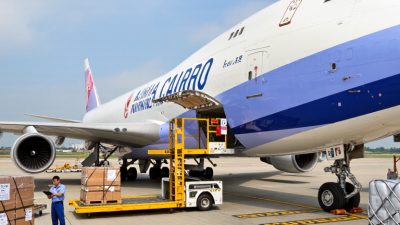
Top China Airlines Cargo Services for Global Buyers?
Choosing among China Airlines Cargo Services requires more than comparing headline freight rates. Global buyers need dependable schedules, transparent handling, and practical support at every airport connection. This guide examines cargo options through an experienced buyer’s lens, including route coverage, aircraft capacity, customs coordination, shipment visibility, and claims procedures. Details matter. A pallet leaving Shanghai, Shenzhen, or Xiamen may pass through several handling points before reaching Europe or North America. Each transfer can affect delivery time, packaging condition, and inventory planning.
Strong cargo providers explain their service limits clearly. They should identify suitable solutions for general freight, temperature-sensitive products, oversized equipment, and time-critical consignments. Buyers should also review booking cutoffs, dimensional-weight rules, insurance arrangements, and digital tracking functions. A competitive quote can look attractive, yet hidden handling fees may change the final cost. Reliability deserves equal attention. Does the carrier provide proactive delay updates? Can its local teams resolve documentation questions quickly? These practical answers often reveal more than promotional claims.
This overview compares leading China Airlines Cargo Services by measurable business value, not popularity alone. It considers operational experience, industry knowledge, service transparency, and evidence of consistent performance. No ranking is permanent. Weather, capacity shortages, and seasonal demand can change results. Buyers should confirm current schedules and requirements directly with carriers or licensed freight professionals. Careful checking remains essential. A thoughtful choice can protect delivery commitments, customer trust, and long-term supply chain stability.
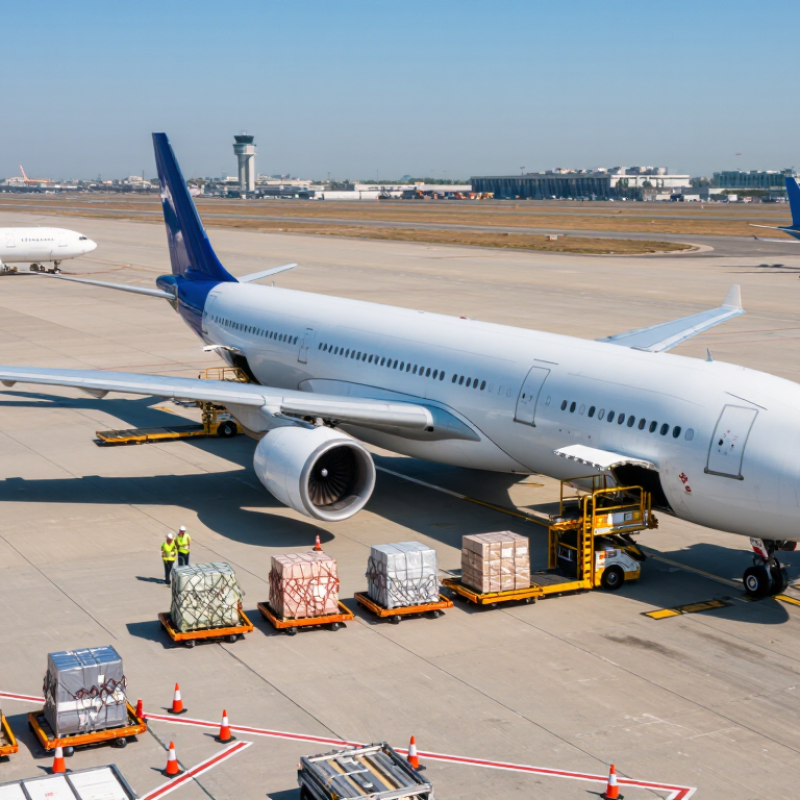
What China Airlines Cargo Services Include
What China Airlines Cargo Services Include
China-based air cargo services usually cover booking, cargo consolidation, export documentation, airport handling, tracking, and delivery coordination. Buyers can ship cartons, spare parts, textiles, and temperature-sensitive products through scheduled or chartered capacity. Consolidation may lower costs when one order cannot fill a full pallet. However, it can add handling points and increase the chance of delays.
IATA’s 2024 full-year air cargo analysis reported an 11.3% rise in global demand, measured in cargo tonne-kilometers. Capacity increased by 7.4% during the same period. These figures show stronger airfreight activity, but they do not guarantee space during seasonal peaks. A practical service should provide a written quotation, cargo dimensions, chargeable weight, routing, cutoff time, and tracking milestones. The process is not flawless. A missing invoice value or unclear product description can stop a shipment before loading.
Professional providers also check packaging, labeling, customs data, and delivery appointments. Buyers should ask whether the quote includes terminal fees, fuel adjustments, customs support, and final-mile delivery. IATA’s 2024 air cargo guidance highlights digital documentation and operational visibility as important efficiency tools. Still, a tracking page cannot replace human follow-up when weather, congestion, or inspection changes the route. Experience matters most when a small carton arrives with damaged corners or an unexpected handling charge.
How to Compare Leading Chinese Air Freight Providers
Top China Airlines Cargo Services for Global Buyers?
When comparing Chinese air freight providers, global buyers should look beyond advertised transit times. A reliable quote begins with accurate shipment details. Share the cargo type, dimensions, gross weight, pickup city, destination, and delivery date. Ask for evidence. Request the written route, flight frequency, cutoff time, and handover points. A provider that explains exceptions may be more useful than one promising perfect speed. Speed is not everything.
Compare total landed cost, not only the airfreight rate. Check fuel adjustments, terminal handling, documentation, customs support, storage, and last-mile delivery. Clear invoices reduce unpleasant surprises. Ask whether tracking updates show real milestones, including acceptance, departure, arrival, and delivery appointment. Test response quality before booking. Send three practical questions and assess the precision of each answer. A fast reply can still be vague. That matters. Professional providers should also explain screening procedures and documentation for lawful shipments.
A simple scorecard can compare price, transit reliability, tracking quality, communication, and claim handling. Record the quote date and validity period, because air cargo costs can change quickly. Check promised delivery times against recent performance data, not attractive estimates alone. One common mistake is choosing the cheapest service without checking transfer risks. I have seen comparisons miss storage fees and weekend delays. My earlier evaluation was incomplete. A better review asks how the provider handles missed connections, damaged cartons, and urgent updates. References from comparable buyers can add useful evidence, but they should be verified independently.
Top China Airlines Cargo Services for Global Buyers — How to Compare Leading Chinese Air Freight Providers
China’s civil aviation cargo and mail volume is a useful market-capacity indicator when comparing air freight providers. Higher sector capacity can support more route options, shipment frequency, and international cargo availability.
Measured cargo and mail transport volume in China increased from 6.77 million tonnes in 2020 to 8.98 million tonnes in 2024, according to annual civil aviation statistics published by China’s aviation regulator. Buyers should also compare transit time, customs support, shipment tracking, temperature-control options, capacity commitments, and claims handling.
Key Factors in Choosing a China Cargo Airline
For global buyers, selecting a China cargo airline requires more than comparing freight rates. A practical review should examine route frequency, available capacity, and realistic transit times. Daily departures may reduce delays when production schedules change. However, a cheaper service can involve longer warehouse transfers. Ask where cargo is consolidated, not only where it flies.
Shipment handling is equally important. Buyers should confirm packaging standards, temperature control, pallet limits, and transfer procedures. Clear tracking should show acceptance, loading, departure, arrival, and handover. Vague updates create avoidable anxiety. Documentation support also matters, especially for commercial invoices, packing lists, and customs data. Experienced freight teams check details before cargo reaches the airport. Small errors can become expensive delays.
Reliability deserves evidence, not promises. Request recent performance figures, claims procedures, service-level terms, and emergency contacts. Speaking with operations staff can reveal how problems are handled after a missed connection. A polished sales reply is not enough. Compare insurance options and payment conditions carefully. My evaluation would remain cautious: strong schedules can still fail during weather disruptions or peak seasons. Leave room for backup routing, and test the service with a manageable shipment before committing larger volumes.
The Step-by-Step Process of Shipping Goods by Air
Shipping goods by air from China starts with a clear cargo plan. Confirm the product type, quantity, dimensions, and delivery deadline. Measure every carton carefully. Small errors can increase the chargeable weight. Choose a suitable airport near the supplier, then compare available cargo services and flight schedules.
Prepare the commercial invoice, packing list, and any required transport documents. Your freight partner should check the paperwork before pickup. This step reduces delays at customs. Goods are collected, weighed, labeled, and delivered to the airport warehouse. Staff inspect the shipment and arrange export clearance. After loading, tracking updates show each major movement. I have found that estimated arrival times can change, especially during busy seasons. Build in extra time.
Tips:
Use strong cartons and internal padding. Keep labels clear and moisture-resistant. Ask for the chargeable weight before confirming the price. Share one emergency contact with your shipping agent. Photograph the sealed cartons before collection. Recheck the destination address, phone number, and receiving hours. A cheaper option may involve longer airport storage. Sometimes the fastest route is not the most reliable one.
Costs, Documents, Tracking, and Delivery Considerations
Top China Airlines Cargo Services for Global Buyers?
Air cargo from China can shorten delivery times, but speed comes with variable costs. Freight rates change with fuel prices, route capacity, chargeable weight, and seasonal demand. A small carton may cost more than expected when its volume is high. Request a written quotation showing pickup, airport handling, fuel surcharges, customs service, and final delivery fees. I have found that vague quotes create the most budget disputes. Ask whether taxes and destination charges are included.
Accurate documents keep cargo moving. Prepare the commercial invoice, packing list, transport document, and any product certificates required by the destination. Product descriptions should be specific, not simply “parts” or “samples.” Check weights and quantities twice. One incorrect figure can delay clearance. Tracking normally begins after cargo acceptance, but updates may pause during transfers or customs inspections. That silence is uncomfortable, yet it does not always indicate a problem. Confirm the tracking number and escalation contact before departure.
Tips: Compare at least three itemized quotes. Use sturdy packaging and photograph each carton before handover. Give the carrier a realistic delivery window, not an optimistic promise. For urgent orders, confirm the airport-to-door route in writing. Keep digital copies of every document. I still think delivery estimates deserve caution, because weather, capacity shortages, and local inspections can change them without much warning. Regular tracking checks help, but direct communication remains essential.