What Are the Top Types of Sea Freight?
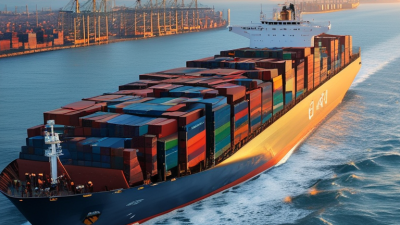
Sea Freight remains a practical foundation of global trade, carrying manufactured goods, food, machinery, and raw materials across major shipping routes. It is often selected for large volumes because ocean transport can reduce costs compared with air cargo. However, delivery times may stretch from several weeks to months, depending on the route, port congestion, weather, and customs procedures.
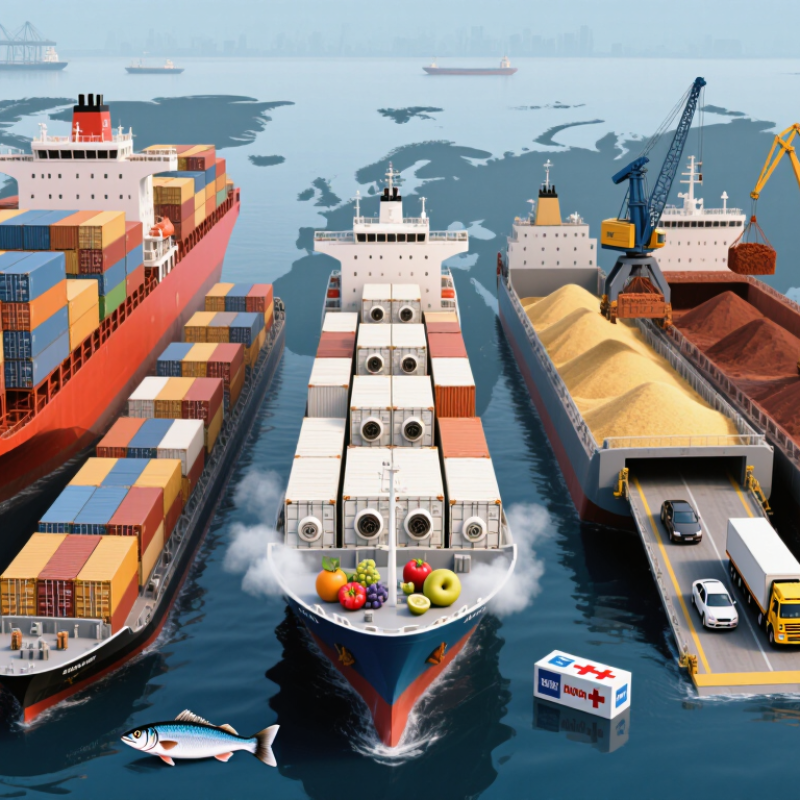
The main types include full container load (FCL), less than container load (LCL), refrigerated container shipping, roll-on/roll-off transport, bulk shipping, and breakbulk cargo. Each method suits different goods and handling needs. For example, an FCL shipment may fill a 40-foot container with furniture, while LCL combines smaller shipments from several businesses. A reefer container keeps seafood or pharmaceuticals within a controlled temperature range. Ro-Ro vessels handle vehicles through built-in ramps, reducing repeated lifting. Bulk carriers transport unpackaged commodities such as grain or iron ore.
Small details matter. Poor cargo measurements can create unexpected charges. Weak packaging may fail during humid voyages and repeated crane movements. That distinction is easy to overlook. This guide compares the top types of Sea Freight by capacity, cargo suitability, cost, handling process, and delivery expectations. It also considers real operational limits, including port equipment, container availability, and tracking accuracy. No single option is best for every shipment. A careful choice depends on the product, budget, schedule, and destination infrastructure. Even experienced shippers sometimes misjudge seasonal delays. That is worth remembering.
Container Freight (FCL): 20- and 40-Foot ISO Boxes Measured in TEU
What Are the Top Types of Sea Freight?
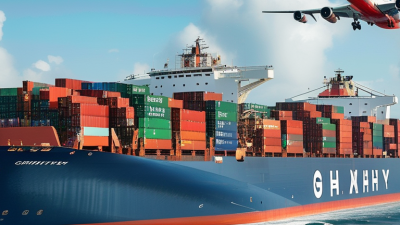
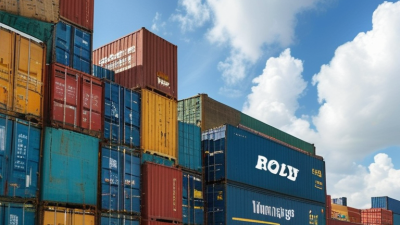
Container freight, especially Full Container Load (FCL), remains a practical choice for large, regular shipments. One shipper uses the container’s available space, reducing handling between origin and destination. The standard 20-foot ISO box equals one TEU, while a 40-foot box equals two TEU. TEU means twenty-foot equivalent unit. It measures capacity, not cargo weight. That distinction matters.
A 20-foot container usually suits dense cargo, such as machinery, metal parts, or packaged materials. Its shorter floor length can also reduce unused space. A 40-foot container offers more volume for cartons, furniture, or lightweight manufactured goods. It is not always twice as useful. Cargo shape, stackability, and maximum gross mass can change the calculation. ISO 668 defines common container dimensions, but actual payload limits depend on equipment and transport rules.
UNCTAD’s Review of Maritime Transport 2024 recorded about 12.3 billion tons of seaborne trade in 2023. Containerized cargo forms a major part of that network, moving through scheduled ports and intermodal connections. In practice, FCL planning requires accurate dimensions, verified weights, and realistic loading diagrams. A few centimeters can matter. TEU remains convenient, yet imperfect. It hides differences between volume, weight, and usable floor space. Shipping teams sometimes choose the larger box too quickly, then discover expensive empty air.
LCL Consolidation: Shipments Below One Container, Priced by CBM
LCL consolidation suits shipments that cannot fill a full container. Instead of paying for an entire box, you share space with other compatible cargo. The carrier calculates the ocean freight mainly by cubic meter, or CBM. One CBM usually represents one cubic meter of packed cargo, not the product’s loose volume.
Accurate measurements matter. A shipment with ten cartons, each measuring 60 × 40 × 50 centimeters, occupies 1.2 CBM. Add pallets, corner protection, and outer packaging, and the billable volume may increase. Freight providers often apply a minimum charge, origin handling fee, documentation cost, and destination warehouse fee. Ask for the complete rate before booking.
▪
Small shipments still need careful planning. Confirm carton counts, total weight, stackability, and cargo-ready dates. A warehouse may reject leaking, unstable, or poorly labeled packages. Consolidated cargo also passes through a container freight station, where loading and unloading can create extra handling time. Transit schedules are less predictable than direct full-container movements.
Delays happen.
In practice, the cheapest CBM rate is not always the lowest landed cost. A low quote may exclude terminal charges or delivery fees. I have found that detailed packing data prevents more problems than aggressive price negotiation. Still, estimates can be imperfect when final packaging is unfinished. Recheck the measurements before the cargo reaches the warehouse.
Dry Bulk Carriers: Capesize Ships Typically Carry Over 100,000 DWT
What Are the Top Types of Sea Freight?
Dry Bulk Carriers: Capesize Ships Typically Carry Over 100,000 DWT
Capesize ships are among the largest vessels in dry bulk shipping. They typically carry more than 100,000 deadweight tons, or DWT. This figure includes cargo, fuel, water, stores, and onboard equipment. Their main cargoes are iron ore and coal, often moved between continents. These vessels need deep-water ports and carefully planned loading schedules. Many cannot pass through the Panama Canal, so they commonly sail around the Cape of Good Hope.
A Capesize vessel may appear simple, but its operation is highly technical. Port depth, berth strength, tidal limits, and weather conditions all affect the voyage. A small error in draft calculations can delay loading or require cargo adjustments. That risk is easy to underestimate. Cargo planners also inspect moisture levels, stability, and loading sequences before departure. The largest ship is not always the most efficient choice.
Tips: Check the vessel’s verified DWT, draft limits, and cargo-handling plan before booking space. Ask whether the destination port can safely receive a deep-draft ship. Review seasonal weather data, too. A cheaper ocean rate may lose its advantage when waiting time, lightering, or route changes appear. Good planning is practical, but never perfect. Recheck the details.
Ro-Ro Shipping: Vehicle Capacity Reported in Lane Metres, Not TEU
Ro-Ro Shipping: Vehicle Capacity Reported in Lane Metres, Not TEU
Ro-Ro ships carry cars, trucks, trailers, and heavy machinery on internal decks. Their capacity is measured in lane metres, not TEU. One lane metre usually represents one metre of deck length across a standard vehicle lane. TEU measures container volume, so applying it to vehicles creates a poor comparison. The 2024 Review of Maritime Transport from UNCTAD reported global fleet capacity above 2.4 billion deadweight tonnes. However, deadweight tonnes still do not show usable vehicle-deck space. That distinction matters during booking.
A vessel may advertise 6,000 CEU, yet actual lane-metre availability can vary by vehicle height, width, deck strength, and ramp layout. Industry fleet reports from Clarksons Research in 2024 also showed a large vehicle-carrier orderbook, exceeding one million CEU. That figure signals supply growth, but it does not guarantee open space on a specific sailing. Port congestion, deck restrictions, and uneven vehicle dimensions can reduce practical capacity. The calculation is less perfect than it looks.
Tips: Ask for available lane metres, deck height limits, maximum axle weight, and ramp dimensions. Provide vehicle length and width, not only unit counts. A 4.8-metre passenger car and a 13.6-metre trailer consume very different space. Confirm whether quoted capacity is total, bookable, or already adjusted for operational clearance. Keep the measurement basis in writing.